
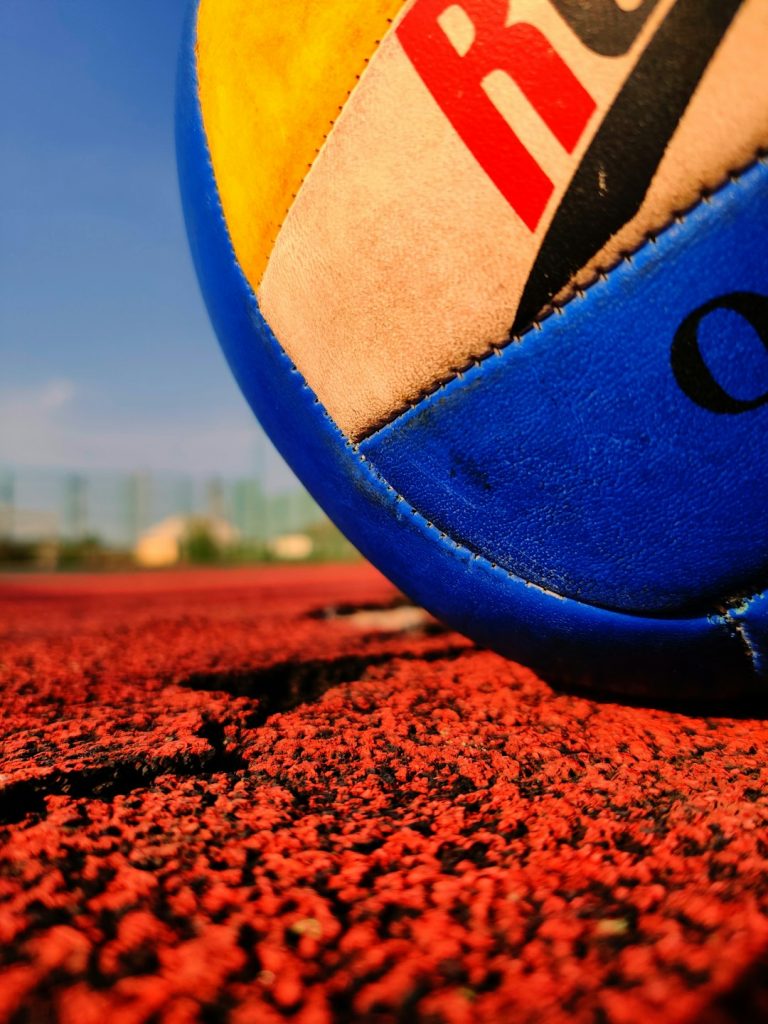
Softball is a popular sport enjoyed by both recreational players and competitive athletes around the world. Whether you’re gearing up for your first season or just curious about the equipment, understanding the official dimensions of a softball is essential. From league play to casual games, the size of a softball can vary depending on the level and type of play.
TLDR: How Big Is a Softball?
The size of a softball varies depending on the league and level of play, but the most commonly used softballs are either 11 inches or 12 inches in circumference. A standard fastpitch softball is 12 inches around, while an 11-inch ball is typically used in youth or slow pitch games. Official rules mandate specific standards for weight and seam construction. It’s important to know which size is used for your game or league to ensure accurate performance and fair play.
Understanding the Basics of Softball Sizes
The term “softball” might suggest that these balls differ only in softness from baseballs, but in reality, they are distinct in size, weight, and design. The softball’s size influences everything from pitch speed to hitting distance and field dynamics.
Official Sizes Used in Different Types of Softball
There are two primary sizes of softballs that are officially recognized:
- 12-inch softball – Standard ball for adult women’s fastpitch and slow pitch games
- 11-inch softball – Commonly used for youth leagues and female slow pitch games
In some leagues, you may even encounter a 16-inch ball, though this is generally reserved for a specific variant of slow pitch softball popular in certain regions like Chicago.
12-Inch Softball: The Fastpitch Standard
The 12-inch softball is the official ball used in adult fastpitch softball, including international competitions governed by organizations such as the World Baseball Softball Confederation (WBSC) and USA Softball.
Key specifications:
- Circumference: 12 inches (30.48 cm)
- Diameter: Approximately 3.82 inches (9.7 cm)
- Weight: Between 6.25 and 7 ounces (177 to 198 grams)
The 12-inch ball is designed for more mature hands and skill levels. It emphasizes speed, power, and technique, and is thrown at higher velocities by pitchers in fastpitch games. These balls typically have raised seams to help pitchers grip the ball for better control.
11-Inch Softball: Standard for Youth and Some Slow Pitch Games
The 11-inch softball is used primarily in youth fastpitch leagues and certain women’s slow pitch leagues. Because of its smaller size and lighter weight, it’s ideal for younger players who are still developing their skills and hand strength.
Specifications include:
- Circumference: 11 inches (27.94 cm)
- Diameter: Approximately 3.5 inches (8.9 cm)
- Weight: Around 6 to 6.25 ounces (170 to 177 grams)
This slightly smaller ball is easier to control for new players and can shorten the learning curve when developing pitching, catching, and batting fundamentals.
Other Softball Sizes You May Encounter
Although 11-inch and 12-inch softballs are universally recognized, there are a few exceptions:
- 16-Inch Softball: Popular in Chicago-style slow pitch, these balls are much larger and softer and are often used without gloves.
- 14-Inch Softball: Rare, but sometimes used for co-ed recreational leagues or training purposes.
These variations are typically only used in specific regional games and are not part of official international softball play.
How Softball Size Affects Play
A softball’s size significantly impacts how the game is played. Here’s how:
- Pitching: Smaller balls can be thrown more easily and quickly by younger or less experienced players, while the larger 12-inch balls allow advanced pitchers to apply movement using grip and seam control.
- Fielding: Larger balls may be easier to see and catch, which is why youth leagues often use 11-inch softballs.
- Hitting: Larger balls have a greater surface area and may encounter different drag forces when hit, affecting hit distance and speed.
Choosing the right size for the skill level and age group ensures fair competition and player development.
Materials and Construction
The size of a softball isn’t the only thing affecting gameplay. The internal and external construction plays a vital role too.
Common components include:
- Core: Typically made from polyurethane or cork, affecting ball compression and bounce.
- Cover: Constructed from synthetic leather or genuine leather, offering durability and grip.
- Seams: Raised seams are common in fastpitch balls for better grip; flat seams are often found in slow pitch versions.
Quality softballs that meet official standards are tested for compression, seam height, and circumference to ensure consistency and performance.
How to Measure a Softball
If you’re unsure about the ball size in your collection or need to verify its dimensions, here’s a simple way to check:
- Use a soft measuring tape to determine the circumference around the middle of the ball.
- Record the circumference in inches or centimeters.
- If you want to calculate the diameter, divide the circumference by π (approximately 3.1416).
You can also weigh the ball using a digital kitchen scale to ensure it falls within the permissible weight range for its category.
Softball vs. Baseball: A Size Comparison
One of the fundamental differences between softball and baseball is the ball size. In comparison:
- Baseball: Circumference of approximately 9 inches; Weight around 5 ounces
- Softball: Circumference of 11 or 12 inches; Weight ranging from 6 to 7 ounces
This difference affects not only gameplay dynamics but also training strategies across the two sports.
Choosing the Right Softball
To select the best ball for your needs, consider the following:
- Age group: Younger players usually play with 11-inch balls
- League rules: Always check specific regulations, as different organizations may have variations
- Type of play: Fastpitch or slow pitch affects the kind of ball required
Investing in the proper equipment ensures safety, maximizes performance, and aligns with official standards.
Conclusion: Precision Matters in Softball
The size of a softball may seem like a small detail, but in the world of organized sports, precision matters. Whether you’re a player, coach, or enthusiast, understanding the official size and characteristics of a softball elevates your appreciation of the game and ensures that you are fully prepared for play. The 12-inch and 11-inch sizes dominate the sport, each with specific design features tailored to various ages and levels of competition.
As the sport continues to grow in popularity, staying informed about equipment standards helps maintain fairness, safety, and enjoyment in every game played on the diamond.