
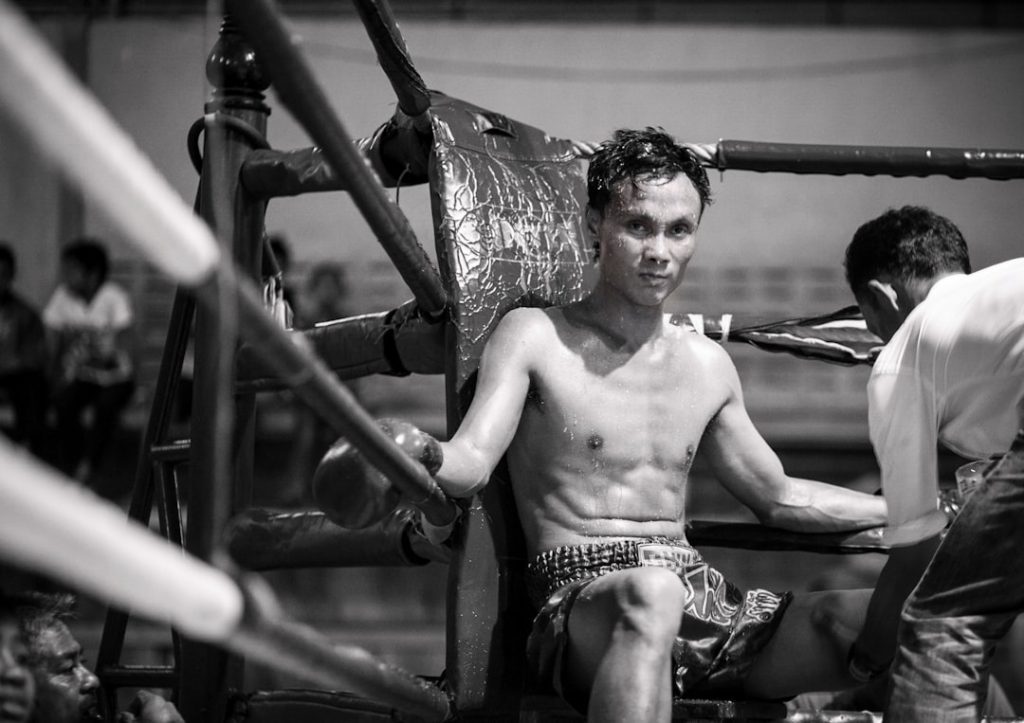
In the world of combat sports, Muay Thai and kickboxing are two disciplines that often get confused with each other. On the surface, they might seem quite similar—both involve striking with fists and legs, and both are practiced in rings with gloves and similar rule sets. But if you dig a little deeper, significant differences in technique, origin, culture, and philosophy begin to emerge.
TL;DR – Quick Summary
While Muay Thai and kickboxing may look similar at first glance, they are not the same. Muay Thai, also known as “The Art of Eight Limbs,” uses a combination of fists, elbows, knees, and shins, making it more diverse in striking options. Kickboxing, on the other hand, generally uses only punches and kicks, and varies in style depending on its regional influence. These distinctions make each sport unique in both practice and tradition.
What is Muay Thai?
Muay Thai is a traditional martial art from Thailand with a history dating back several centuries. Known as “The Art of Eight Limbs,” Muay Thai incorporates eight points of contact—two fists, two elbows, two knees, and two shins.
Muay Thai is deeply ingrained in Thai culture and has ceremonial components like the Wai Kru Ram Muay dance performed before a bout. It emphasizes clinching techniques, powerful kicks, and the use of elbows and knees at close range. Fighters are trained to build endurance, conditioning, and mental toughness from a young age.
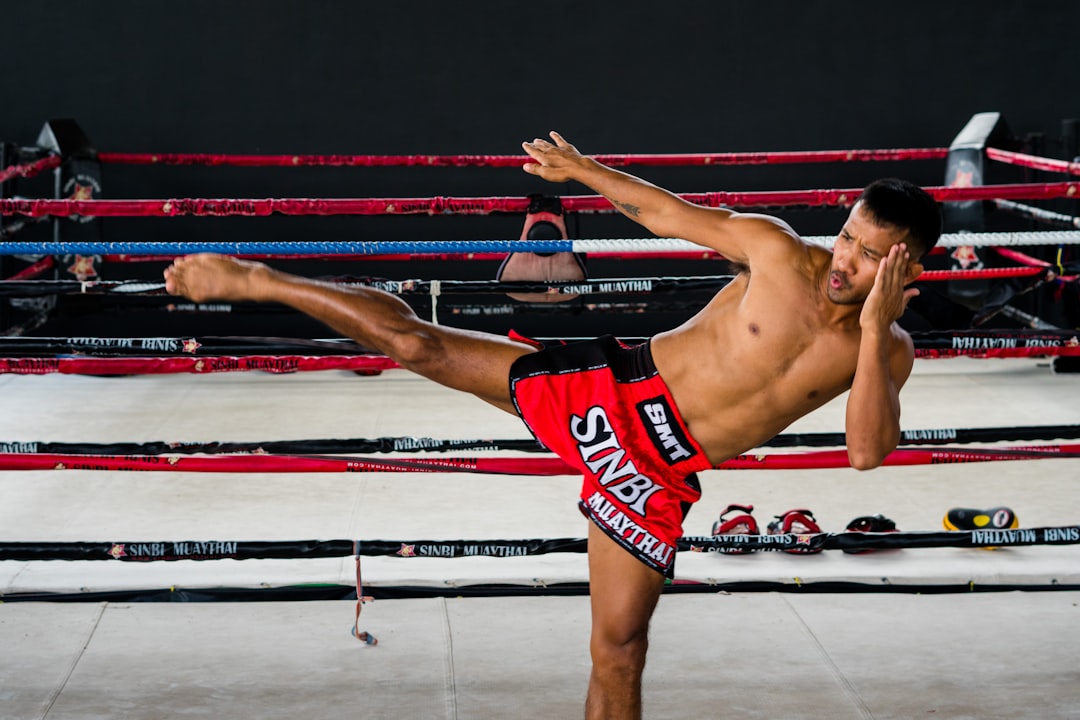
What is Kickboxing?
Kickboxing is a more general term that refers to a hybrid martial art combining elements of karate and boxing. Unlike Muay Thai, kickboxing does not have a singular country of origin. It has variations across the world such as American kickboxing, Dutch kickboxing, and Japanese kickboxing (sometimes called K-1 style).
Modern kickboxing typically includes just four points of contact—two fists and two legs—and excludes the use of elbows and knees in most styles. Clinching is usually minimal or outright prohibited depending on the rule set. The sport is highly oriented toward speed, fluidity, and combinations.
Key Differences Between Muay Thai and Kickboxing
While both sports are striking-based and share superficial similarities, they diverge significantly in terms of techniques, strategies, and philosophy. Here’s a breakdown of the main differences:
- Striking Techniques:
- Muay Thai: Uses fists, elbows, knees, and shins.
- Kickboxing: Typically limited to fists and kicks only.
- Clinching:
- Muay Thai: Clinching is a vital part of the sport and used for control and knee/elbow strikes.
- Kickboxing: Most forms limit or disallow clinching altogether.
- Movement:
- Muay Thai: More upright stance and slower rhythm to allow for readjusting and power strikes.
- Kickboxing: Often quicker and more dynamic, with lateral movement and footwork prioritized.
- Scoring Criteria:
- Muay Thai: Emphasis on effectiveness, power, and balance of strikes.
- Kickboxing: Focus on volume and clean combinations.
- Origins and Culture:
- Muay Thai: Steeped in Thai tradition, rituals, and training environments.
- Kickboxing: More modern and diverse, with fewer cultural ceremonies.
Training Differences
Muay Thai training often starts with a strong cultural foundation. Fighters in Thailand usually live and train at dedicated camps where daily routines are regimented with running, bag work, pad drills, clinch practice, and technique refinement.
Kickboxing training, depending on the style, may have a heavier emphasis on combinations, rhythm, and sparring over clinching or elbow/knee techniques. Flexibility, timing, and hand-speed drills are often staples in kickboxing-focused gyms.

Use in Mixed Martial Arts (MMA)
Both Muay Thai and kickboxing are foundational disciplines in the realm of MMA, but Muay Thai sees greater integration due to its broader range of strikes and clinch work. MMA fighters who use Muay Thai often leverage knees and elbows in close quarters, which can be decisive in grappling exchanges.
Kickboxing provides excellent footwork, striking combinations, and cardiovascular conditioning, making it particularly useful for fighters who prefer stand-up tactics. Some of the most successful MMA fighters fuse techniques from both disciplines to fill gaps in their striking arsenal.
Which One is Better?
This is one of the most frequently asked questions—but it doesn’t have a simple answer. It all depends on your goals and what you’re looking to get out of your training.
- If you’re interested in a cultural martial art with deep roots, Muay Thai offers a complete combat system and rich history.
- If you want a fitness-focused, dynamic workout or are coming from a boxing or karate background, kickboxing might be more accessible and relatable.
- For aspiring MMA fighters, Muay Thai’s use of clinch, knees, and elbows could provide a tactical advantage.
Ultimately, both offer incredible benefits including improved cardio, discipline, confidence, and self-defense skills. Whether for sport, fitness, or self-defense, either can be rewarding.
Popular Fighters and Styles
To further understand the spirit of each discipline, looking at the fighters who champion them helps illustrate their differences:
- Muay Thai Legends:
- Buakaw Banchamek – A Thai icon known for his devastating kicks and explosive style.
- Saenchai – Renowned for his clever, unorthodox techniques and agility.
- Kickboxing Champions:
- Giorgio Petrosyan – Considered one of the greatest due to his technical prowess and near-flawless defense.
- Rico Verhoeven – A dominant force in heavyweight kickboxing with Dutch-style roots.
Conclusion
So, is Muay Thai the same as kickboxing? The answer is a clear no. While they are closely related and share some overlap, their differences in technique, philosophy, cultural roots, and application make them distinct disciplines. Choosing between them should come down to your personal goals, interests, and physical style.
Whether you want to explore the ancient martial traditions of Thailand, or jump into the fast-paced, international world of kickboxing, you can’t go wrong. Both offer powerful ways to challenge yourself physically and mentally, and each has something unique to offer every martial artist.