
When you hear the term BMX, you might conjure images of riders flying through the air, executing gravity-defying tricks, or racing at blistering speeds on dirt tracks. But what exactly does BMX stand for, and how did it evolve into a globally recognized sport and lifestyle? Whether you’re a newcomer to this world or someone curious about the origins of this high-adrenaline activity, understanding the meaning behind BMX is essential to appreciating the culture and discipline surrounding it.
TLDR: BMX stands for Bicycle Motocross. It originated in the 1970s when kids began imitating motocross riders using their bicycles on dirt tracks. Over the years, BMX evolved into a dedicated sport with various disciplines such as racing, freestyle, and street riding. Today, it’s recognized worldwide, even featured in the Olympics, and continues to attract athletes and fans for its dynamic and daring nature.
What Does BMX Stand For?
The acronym BMX stands for Bicycle Motocross. It combines the excitement and layout of motocross racing with specially designed bicycles instead of motorbikes. The sport draws clear inspiration from motocross racing competitions, where riders race over tough terrains filled with jumps, turns, and obstacles.
Curiously, BMX is one of the few sports where the name directly references its root inspiration. Rather than being created as a standalone activity, it developed as a creative and accessible alternative to motocross, mainly targeted at younger riders who couldn’t afford motorbikes.
How Did BMX Begin?
The origins of BMX can be traced back to the early 1970s in Southern California. Influenced by the popularity of motocross racing during the late 1960s and early 70s, kids began imitating dirt bike riders using their bicycles. These spontaneous, informal sessions soon evolved into organized races on dirt tracks.
One of the first organized BMX races took place in 1973. As interest grew, so did the need for dedicated equipment. Manufacturers began producing specialized BMX bikes, designed to withstand the rigorous conditions of dirt tracks and jumps.
Image not found in postmetaBMX as a Sport
As BMX grew in popularity, it branched out into several distinct disciplines. While its roots are clearly in racing, the sport has diversified significantly, allowing participants to choose a style that fits their interests and strengths. Below are the primary categories of BMX sport:
- BMX Racing: This is the purest form of BMX, where riders follow a dirt track that includes jumps, berms, and corners. Two to eight riders typically compete at a time, and the fastest rider to cross the finish line wins.
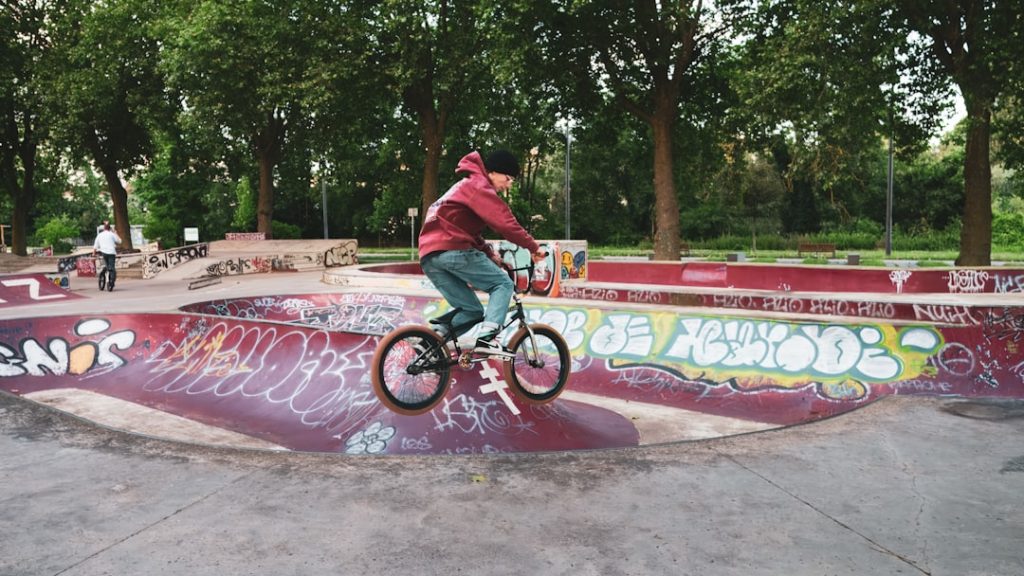
- Freestyle BMX: Unlike racing, freestyle BMX focuses on performing tricks and stunts. This category includes sub-disciplines like park, vert, dirt, and flatland.
- Street BMX: Riders perform tricks using obstacles commonly found in urban environments, such as stairs, handrails, and ledges.
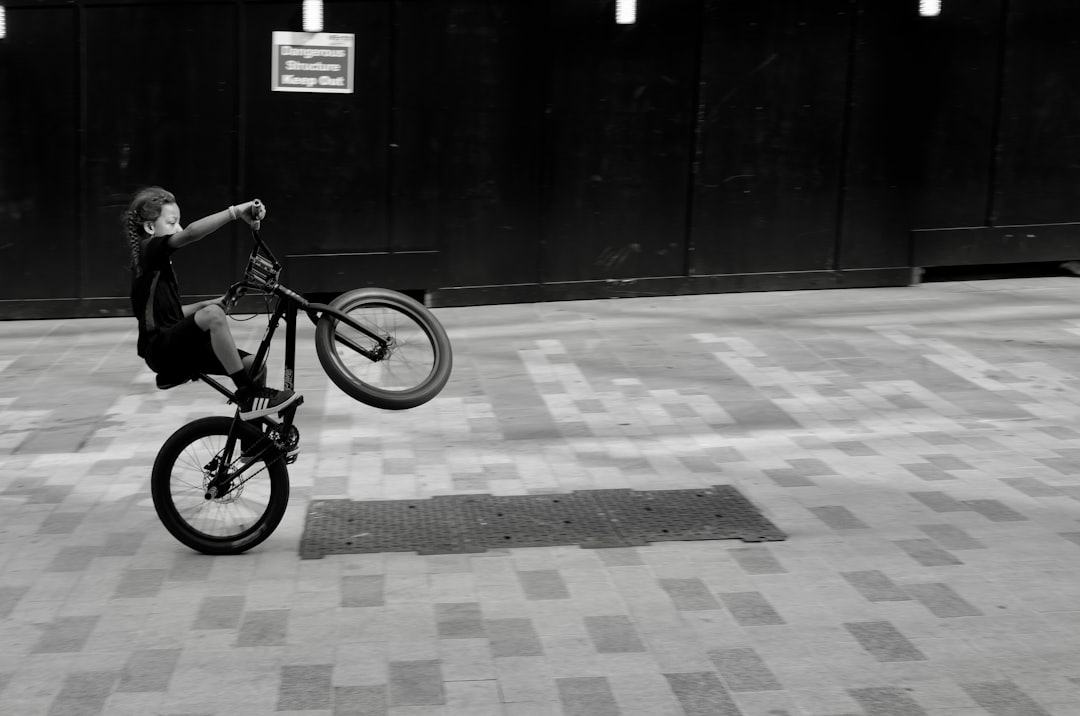
- Flatland BMX: This is a unique discipline often referred to as the “breakdancing of BMX,” where riders perform intricate maneuvers on a flat surface, balancing and spinning with extreme precision.
This branching into various styles has allowed BMX to not only grow but also develop a rich subculture that includes fashion, music, and media centered around BMX riders and enthusiasts.
The Bikes: Special Tools for a Special Sport
A key reason BMX gained traction and independence as a sport is the innovation of the BMX bike. These bikes are significantly different from standard bicycles:
- Size: Smaller in frame and wheel size—typically 20 inches—making them ideal for tricks and agility.
- Strength: Made from durable steel or lightweight aluminum to endure harsh landings and impacts without compromising speed and control.
- Minimalism: Designed with fewer components to reduce weight and avoid damage during stunts. Many freestyle bikes even eliminate brakes to allow for better handlebar spins and tricks.
Over time, manufacturers have developed specialized bikes tailored for different BMX disciplines. For example, bikes meant for racing are built for speed and traction, while those designed for freestyle focus on maneuverability and resilience.
Why is BMX Popular?
BMX appeals to a wide range of people for various reasons:
- Accessibility: All you need is a bike and a place to ride. Many riders start with modest equipment and upgrade over time.
- Creative Expression: BMX, particularly in its freestyle forms, allows riders to develop unique styles, much like dance or music performance.
- Thrill and Challenge: The blend of physical control, tricks, and speed offers an intense adrenaline rush that keeps riders hooked.
- Global Recognition: BMX has gained worldwide acceptance, culminating in its inclusion in the Olympic Games in 2008 (racing) and 2020 (freestyle).
In addition, the BMX community fosters a spirit of camaraderie, with riders often collaborating to build courses, teach newcomers, and organize amateur local competitions. It’s a strong, tight-knit community that continues to grow with new generations.
BMX in the Olympics
The inclusion of BMX in the Olympics marked a significant turning point, boosting its legitimacy as a professional sport. BMX racing debuted in the 2008 Beijing Olympics, while freestyle BMX followed later in the Tokyo 2020 Games. This increased visibility has opened doors for sponsorships, youth programs, and more structured development paths for young athletes.
Olympic-standard BMX riders undergo rigorous training regimes and perform at incredibly high levels of precision and speed. Their success has helped elevate BMX from a fringe activity to a competitive, respected sport across the globe.
The Culture Behind BMX
Beyond just the sport, BMX is a culture. It has influenced streetwear fashion, video games, energy drink marketing, and even music videos. Rider-owned brands have emerged, emphasizing authenticity and supporting grassroots organizers. BMX magazines, social media groups, and video edits produced by riders continue to celebrate the sport’s creative spirit.
Many professionals started as hobbyists, inspired by neighborhood riders or local skateparks, growing through dedication rather than formal institutions. This DIY ethos—do-it-yourself—remains at the heart of BMX culture, encouraging innovation and self-expression.
Is BMX for You?
If you’re considering diving into the world of BMX, here are a few things you should keep in mind:
- Start Smart: Choose a bike that suits your ambition—racing or freestyle. Many entry-level bikes are affordable and reliable.
- Find a Community: Whether it’s an online forum, local skatepark, or BMX track, connecting with other riders can accelerate your learning curve.
- Safety First: Helmets, knee pads, and gloves are essential safety gear, especially when performing tricks or riding at high speeds.
- Be Patient: Like any sport, progress in BMX comes with practice and perseverance. Don’t be discouraged by early falls—they’re part of the journey.
Conclusion
So, what does BMX stand for? It stands for Bicycle Motocross, a term that represents far more than just bikes and dirt tracks. It symbolizes a fusion of sport, art, culture, and community built on speed, creativity, and resilience. From its humble beginnings in California to international stadiums and urban playgrounds, BMX continues to inspire and attract individuals who seek freedom, expression, and the sheer thrill of riding.
Whether you’re a curious onlooker, a fascinated parent, or an aspiring rider, knowing the true meaning of BMX helps you better understand the passion and dedication that drive this unique sport. The next time you see a BMX bike or rider, you’ll know the name carries a rich history, a vibrant culture, and a world of possibilities on two wheels.