
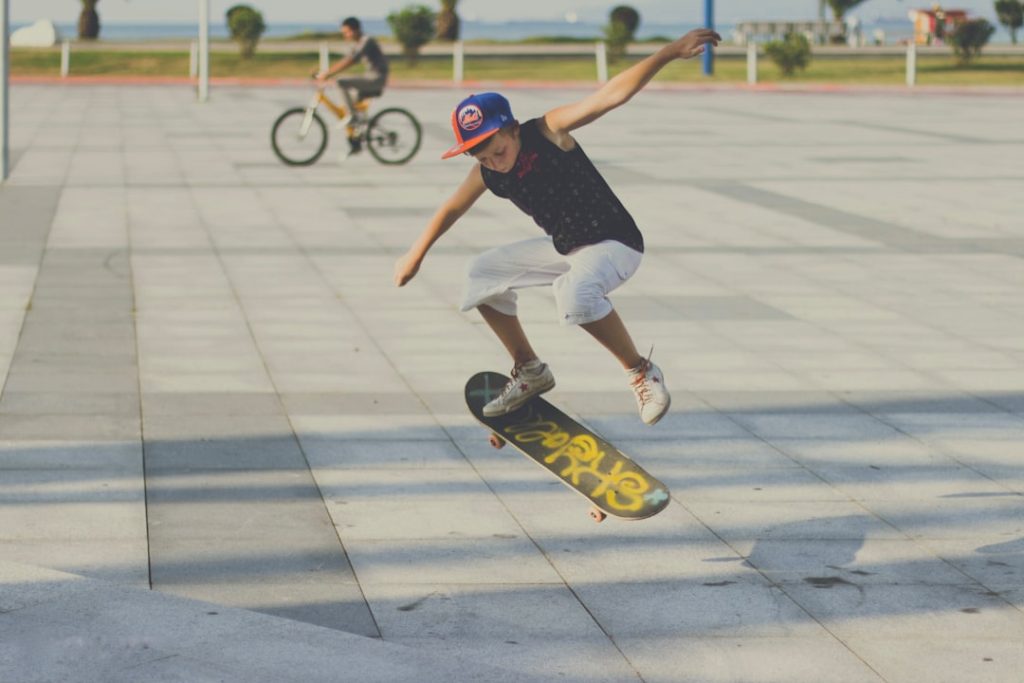
In the world of extreme sports, few debates spark as much passion as the one between BMX riders and skateboarders over which discipline is tougher to master. Both BMX and skateboarding demand balance, athleticism, creativity, and a serious level of commitment. With their own unique sets of tricks, terrains, and styles, each sport presents a different kind of challenge for those brave enough to dive in.
TL;DR
Learning BMX and skateboard tricks both come with their own set of difficulties. BMX may be more physically demanding because of the heavier equipment, while skateboarding requires intense balance and finesse. Beginners typically find skateboarding easier to start but harder to master, whereas BMX tricks can be more intimidating early on. Ultimately, the difficulty depends on personal strengths and injuries one is willing to risk.
Understanding the Core Differences
Before we compare the difficulty of tricks, it’s essential to understand the basic differences between BMX biking and skateboarding. Each uses a different setup, has a different body mechanic, and even utilizes different terrains and obstacle types — though skateparks cater to both.
- BMX: This involves performing tricks on a specially-designed BMX bike. Players use both the bike’s frame and wheels to perform stunts in the air, on rails, and over ramps.
- Skateboarding: Tricks are performed using a wooden board with wheels. Skateboarders manipulate the board with their feet to flip, slide, and spin their way around objects and terrains.
On the surface, they might seem closely related. But when it comes to trick precision, creativity, and bodily movement, they differ profoundly.

Learning Curve: Starting Off
For many, the first challenge in either sport is simply maintaining balance and control. At the beginner level:
- Skateboarding: Standing on a moving board is no easy feat. Beginners often struggle with keeping their feet in the right position, pushing off, and mastering the “ollie,” the trick that forms the foundation for most others. Skateboarders fall — a lot — and the learning process is full of bumps and bruises.
- BMX: Though it may feel more stable initially due to having handlebars and a seat, learning basic tricks like bunny hops and manuals can be intimidating because of the bike’s weight and potential for more dramatic crashes. However, simply riding and cruising is often easier for absolute beginners.
Advantage: Slightly in favor of skateboarding, since it’s more agile and doesn’t require managing a heavy, fast-moving object like a bike. But note: skaters get more ground-level falls, while BMXers often endure harder, riskier slams from higher heights.
The Role of Equipment
The tools of the trade aren’t just vehicles — they dictate the limits and possibilities of each trick. BMX bikes weigh more and are structurally more complex, with tires, pegs, and handlebars opening up tricks like tailwhips, barspins, wall rides, and more. By contrast, a skateboard’s simplicity pushes riders to be more inventive with weight shifts and flips.
Skateboard tricks often rely on technical control.
BMX tricks require a mix of physical strength and timing due to the added mass and multiple contact points (hands and feet).
In terms of adaptability, a skateboard may be easier to carry and use in a broader range of environments, while the bike needs more space and is harder to maneuver in tight spots — potentially making learning tricks off-ramps or rails more accessible to skaters.
Progression Speed and Variety of Tricks
Once the basics are down, how quickly can a rider or skater move on to more advanced moves?
- BMX: Building confidence with air tricks like flairs or big quarter pipe moves takes time, but many riders find transition and park tricks slightly more approachable once they’ve become one with the bike. Grabs, spins, and manuals serve as core elements for progressing.
- Skateboarding: The precision necessary for flip tricks (like kickflips, heelflips, and tre flips) means mastering each variation can take months — or even years. The typical skater’s trick bag grows slowly, and the difference between “almost landed” and “actually rolled away” is a razor-thin margin.
Advantage: BMX may allow earlier access to a wider array of eye-catching tricks (especially in the air) once the fundamentals are solid, while skateboarding requires constantly fine-tuned skill to land each new variation consistently.
Injury Risk and Physical Demands
Both sports have significant injury risks, but they vary in nature:
- Skateboarding: Common injuries include sprained ankles, wrist fractures, and road rash from sliding out. Falling becomes a constant part of the learning process.
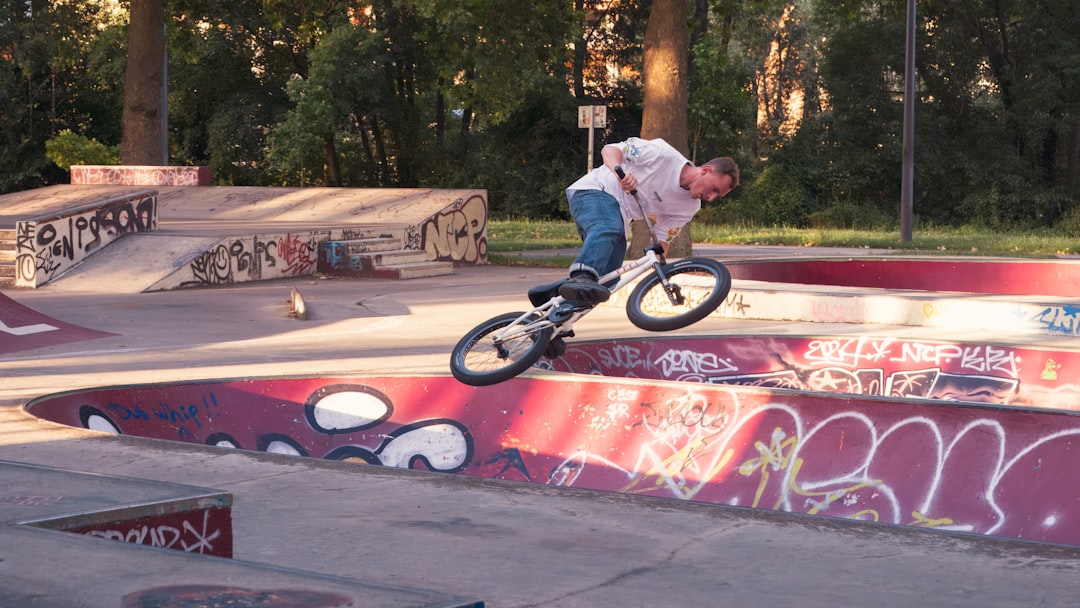
- BMX: Famous for higher-speed and higher-impact crashes. Landing wrong on a handrail or from a failed backflip can lead to serious injuries, including concussions, broken bones, and internal bruising.
The physical demands differ as well. BMX requires more upper body strength to maneuver the bike during barspins, tailwhips, and jumps. Skateboarders, meanwhile, need more lower-body coordination and foot dexterity.
Creativity and Style
Both sports offer outlets for creative expression, but once again, they do so differently. Skateboarding is often seen as more fluid and artistic, emphasizing manual lines, flowing street tricks, and style. BMX is no less stylish — riders often inject personality through unique lines and big-air creativity — but style comes second to control and aggression.
Which sport allows more creative freedom? It’s really up to interpretation. Skateboarders have more variety of manipulation through their feet, while BMX riders can use their whole body to bend the bike to their will.
Pro-Level Mastery
Among professionals, the ceiling is high in both disciplines. Take your best skateboarder and your best BMX rider, and you’ll find that both have dedicated years of their life to technical perfection. Whether it’s things like a 1080 on a mega ramp or a perfectly executed laser flip down a 12-stair, each of these sports pushes the limits of what’s possible.
From street to vert ramp, both communities regard style, control, and innovation as the barometers of mastery — but mastering BMX often means handling not just yourself, but a 25-pound bike flying through the air.
Conclusion: Which Is Harder?
So, is it harder to learn BMX tricks or skateboard tricks? The honest answer is: it depends. On your body, mindset, patience, and commitment. Here’s a quick recap:
- Skateboarding: Easier equipment management and more accessible to start, but incredibly technical and hard to master.
- BMX: Harder to begin due to heavier gear and space needs, but may offer quicker access to show-stopping tricks once you’re confident.
Ultimately, each sport intersects at the core values of determination, perseverance, and progression. Whatever your choice, you’re in for a thrilling — and humbling — ride.