

BMX, short for Bicycle Motocross, is a high-adrenaline sport known for its fast-paced races and gravity-defying tricks. Originating from the streets and dirt tracks, BMX has gained global recognition and a rapidly growing fanbase. But when it comes to legitimate recognition on the world sports stage, one question arises: Is BMX an Olympic sport? This article explores the answer in-depth, providing the history, current status, and future of BMX in the Olympics.
TL;DR
Yes, BMX is officially an Olympic sport. It was first introduced at the 2008 Beijing Games in the form of BMX Racing, with BMX Freestyle added later in the Tokyo 2020 Olympics. BMX is governed by the UCI (Union Cycliste Internationale) and has quickly become a crowd favorite due to its exciting and unpredictable nature. Both racing and freestyle formats are now permanent fixtures in the Summer Olympic program.
Brief History of BMX
BMX originated in the late 1960s and early 1970s in California. Inspired by motocross, young riders began racing their bicycles on dirt tracks, eventually leading to the formation of organized competitions and leagues. Over time, BMX split into two distinct disciplines:
- BMX Racing: A speed-based competition on off-road tracks filled with jumps, banked corners, and various obstacles.
- BMX Freestyle: Focuses on performing tricks and stunts on ramps, street setups, and skateparks.
As the sport evolved, both disciplines developed their own global communities, governing bodies, and competitive leagues. The push for Olympic inclusion began in earnest in the late 20th century, driven by increasing international participation and professionalism.
Is BMX an Olympic Sport?
Yes, BMX is an Olympic sport, and it is represented in two forms:
- BMX Racing: Debuted at the 2008 Summer Olympics in Beijing.
- BMX Freestyle (Park Discipline): Made its Olympic debut at the 2020 Summer Olympics in Tokyo.
The inclusion of both disciplines marks a significant milestone for action sports and demonstrates the Olympics’ commitment to evolving with contemporary sport trends.
BMX Racing in the Olympics
BMX Racing was the first BMX discipline to become part of the Olympic roster. The 2008 Olympics in Beijing saw riders compete on specially constructed tracks with massive jumps, technical corners, and intense head-to-head competition.
Here’s what characterizes Olympic BMX Racing:
- Track Length: Approx. 350–400 meters long.
- Format: Eight riders compete simultaneously in qualifying rounds, semifinals, and finals.
- Scoring: Timed performances and elimination-based progression.
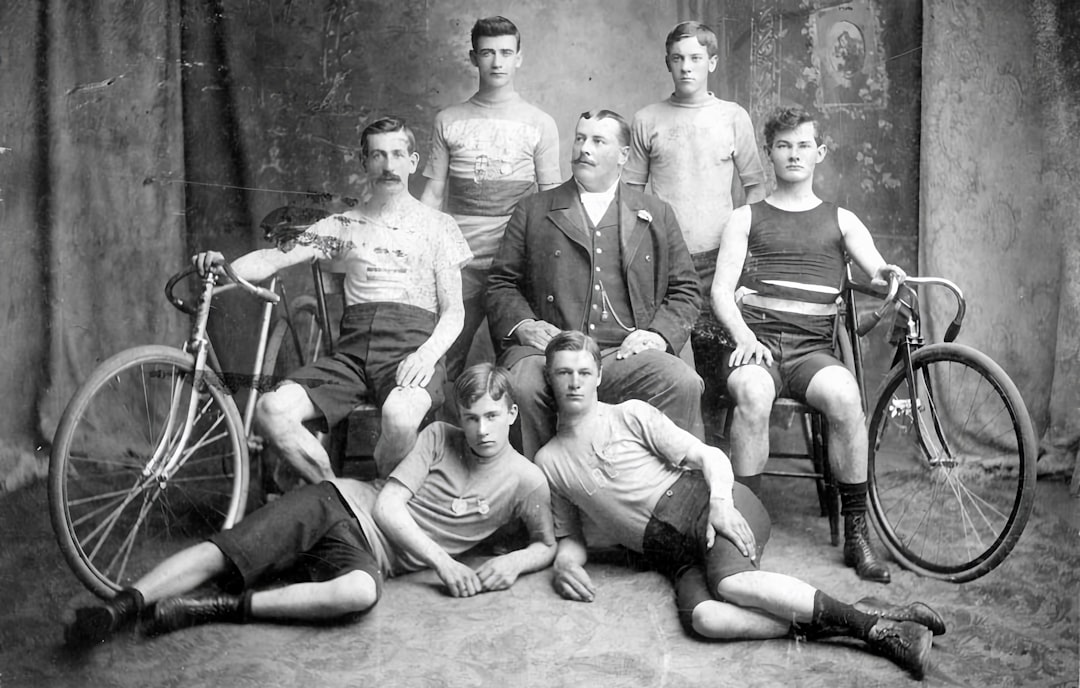
The USA, Netherlands, Latvia, and Colombia have shown strong performances historically in BMX Racing.
BMX Freestyle in the Olympics
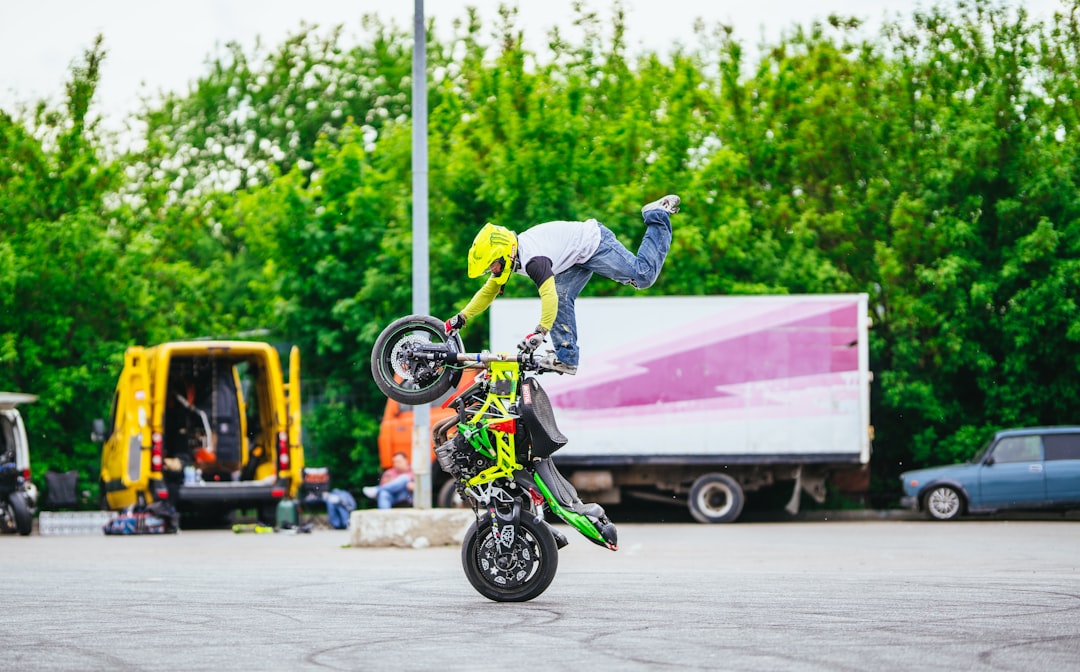
BMX Freestyle made its Olympic debut more recently, at the Tokyo 2020 Olympics (held in 2021 due to the pandemic). The Park discipline was selected for inclusion, showcasing riders performing gravity-defying tricks on a custom-designed course filled with ramps, rails, and bowls.
Key features of Olympic BMX Freestyle include:
- Format: Riders perform two 60-second runs, judged on creativity, difficulty, and execution.
- Scoring: Judges assign scores up to 100, based on technical and artistic merit.
- Course: Bowl-style park with jumps, pipes, and transfers.
Known for their artistry and athleticism, riders in the Freestyle discipline often come from skatepark and street riding backgrounds. Australia’s Logan Martin and Great Britain’s Charlotte Worthington won gold medals in the inaugural BMX Freestyle Olympic event.
Governing Body and Regulations
The international governing body for both BMX Racing and Freestyle at the Olympic level is the Union Cycliste Internationale (UCI). The UCI ensures that events are run fairly, tracks and parks meet Olympic standards, and qualification procedures are consistent worldwide.
Key roles the UCI plays include:
- Setting competition rules and safety standards.
- Certifying judges and officials.
- Organizing Olympic qualifiers and World Cups.
- Promoting youth development programs.
The inclusion of BMX in multi-sport international events also aligns with the IOC’s (International Olympic Committee) goal to modernize the Games and attract younger audiences.
How Riders Qualify for the Olympics
To compete at the Olympics, BMX athletes must undergo a stringent qualification process overseen by the UCI. Points accumulated at UCI World Cups, National Championships, and Continental Championships determine eligibility and quota spots for nations.
This process ensures that the most talented and consistent riders represent their countries on the global stage. Additionally, host nations typically receive a set number of automatic entries to promote local participation and visibility for the sport.
Olympic Impact on BMX
The Olympic inclusion of BMX has had a transformative impact on the sport at both the professional and grassroots levels. Here’s how it’s changed the landscape:
- Increased Funding: National governing bodies now invest more in BMX programs, recognizing it as a medal-contending sport.
- Global Recognition: Olympic exposure has led to media attention, sponsorship, and broader societal acceptance.
- Youth Participation: BMX is now seen as a legitimate athletic pursuit for young riders, with many countries including it in development programs.
- Facilities and Infrastructure: More skateparks and racing tracks are being built to Olympic standards.
As a result, BMX continues to see growth in participation and competitiveness across continents including Europe, North America, Latin America, and Asia.
Challenges and Future Prospects
While BMX’s Olympic status has resulted in numerous benefits, there are still challenges to address:
- Injury Risks: Both disciplines involve high risk, requiring enhanced safety measures and training.
- Event Visibility: Ensuring BMX events receive prime broadcast slots and media coverage remains a challenge.
- Balancing Creativity and Scoring: Especially in Freestyle, scoring remains somewhat subjective and evolves over time.
Nevertheless, the future looks bright. The inclusion of both BMX Racing and Freestyle in Paris 2024 confirms the long-term commitment of the IOC to BMX as a sport of innovation, youth appeal, and global reach.

Conclusion
BMX is not only an Olympic sport—it’s a symbol of the Modern Olympic spirit. Offering elements of speed, strength, and creativity, BMX appeals to a new wave of fans and athletes. From its grassroots origins to occupying a place on the world’s most prestigious athletic stage, BMX exemplifies how sports can evolve and adapt over time.
With continued investment, youth involvement, and global enthusiasm, BMX is poised to become an even bigger part of the Olympic movement in the years to come.