
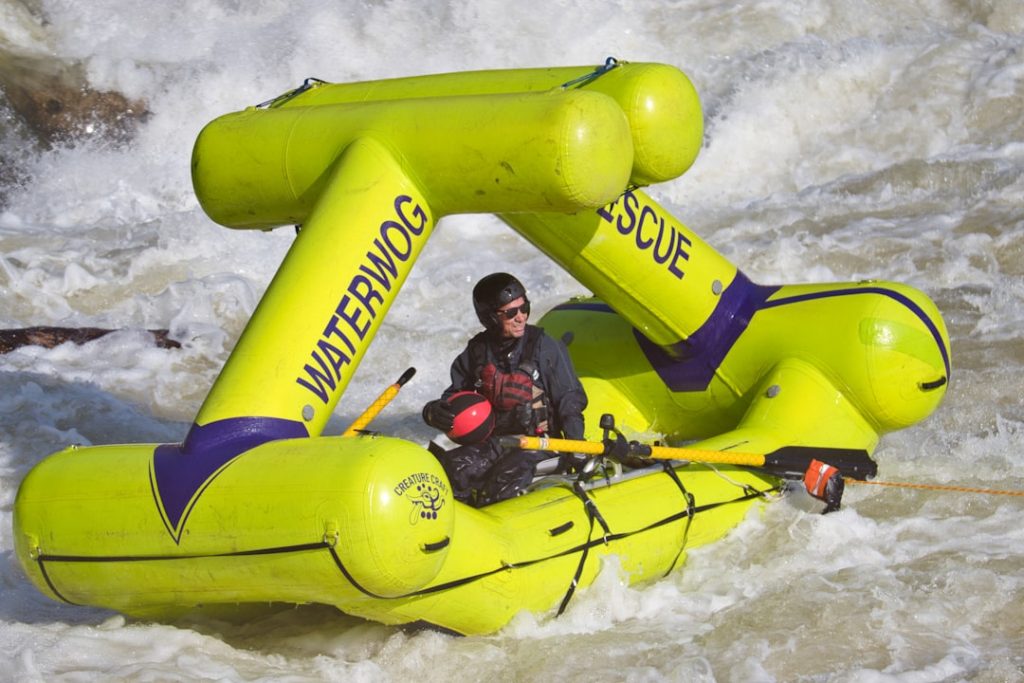
Kayaking is one of the most refreshing and immersive ways to explore the natural beauty of Arkansas. Whether you are paddling along the Buffalo National River or exploring smaller streams and lakes, rules and regulations are in place to keep everyone safe. Before you hit the water, it’s essential to understand the legal requirements surrounding kayaking in The Natural State.
TLDR: In Arkansas, you don’t need a license to operate a kayak, but certain regulations must be followed including safety equipment like life jackets and navigation lights when paddling at night. Children under 12 must wear a life jacket at all times. Alcohol laws apply just as they would in a motor vehicle. Being informed about local regulations before launching your kayak is crucial for a safe and legal experience.
Is Registration Required for Kayaks in Arkansas?
One of the most common questions from beginner paddlers is whether a kayak must be registered. In Arkansas, non-motorized vessels like kayaks, canoes, and paddleboards do not need to be registered with the state. However, if you equip your kayak with any type of motor—electric or gas—registration is required, just like with traditional motorboats.
- Unpowered Kayaks: No registration needed.
- Motorized Kayaks: Must be registered through the Arkansas Game and Fish Commission.
To register a motorized kayak, you will need to provide proof of ownership, fill out relevant forms, and likely pay a small fee. Local offices or the Arkansas Game and Fish Commission (AGFC) website will have the most up-to-date procedures and forms.
Life Jacket Requirements
In Arkansas, life jackets—also known as PFDs (Personal Flotation Devices)—are not optional. The law mandates that each person aboard a kayak must have a U.S. Coast Guard-approved PFD. In addition, children under the age of 12 are required to wear their life jackets at all times when on the water.
The type of PFD also matters. It must be:
- U.S. Coast Guard-approved
- In good and serviceable condition
- Proper size for the intended wearer
Failure to meet these requirements can result in fines and even the possibility of being escorted off the water by authorities.
Lights and Visibility When Kayaking at Night
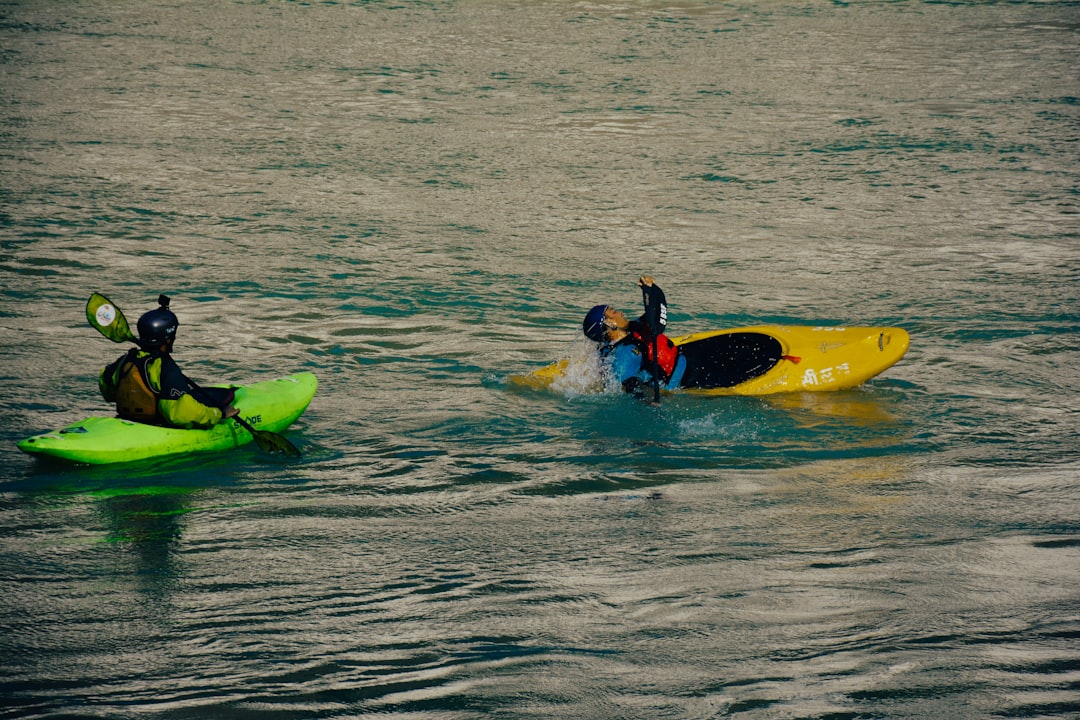
If you’re kayaking between sunset and sunrise, Arkansas law requires certain lighting to ensure visibility and avoid collisions. According to regulations, you must have at least one white light that is visible from all directions—this can be a flashlight or a mounted light. Additionally, reflective gear or tape is strongly recommended for enhanced safety.
Here’s a quick checklist for night kayaking:
- One bright white light (360-degree visibility)
- Reflective clothing or gear
- A backup flashlight or headlamp
Age and Supervision Laws
There is no minimum age to operate a kayak in Arkansas, as long as the watercraft is not powered by a motor. However, supervision is essential. Children under 12 must wear a PFD at all times and should be monitored by an adult.
For motorized kayak operation:
- You must be at least 12 years old to operate alone.
- Younger children may operate a motorized kayak if supervised by an adult at least 18 years of age.
Alcohol and Substance Use
Kayaking while under the influence of alcohol or drugs is not just dangerous—it’s illegal. Arkansas enforces laws prohibiting Boating While Intoxicated (BWI), and these apply just as strictly to non-motorized vessels like kayaks.
Penalties for BWI in Arkansas can include:
- Fines up to $1,000
- Jail time
- Loss of boating privileges
To stay safe and within the law, refrain from consuming alcohol before or during your kayaking trip. Always designate a sober paddler if you’re going in a group and alcohol is involved at any point during your outing.
Required Safety Equipment
In addition to PFDs and lights, other safety equipment may be necessary or strongly recommended. Here are items that can keep you both compliant and safe on Arkansas waters:
- Whistle or Sound Signaling Device: Required on all kayaks for user-initiated emergency alerts or to signal other boats.
- Bilge Pump or Sponge: Useful for removing water from inside the kayak.
- Paddle Leash: Keeps your paddle from floating away during an incident or capsize.
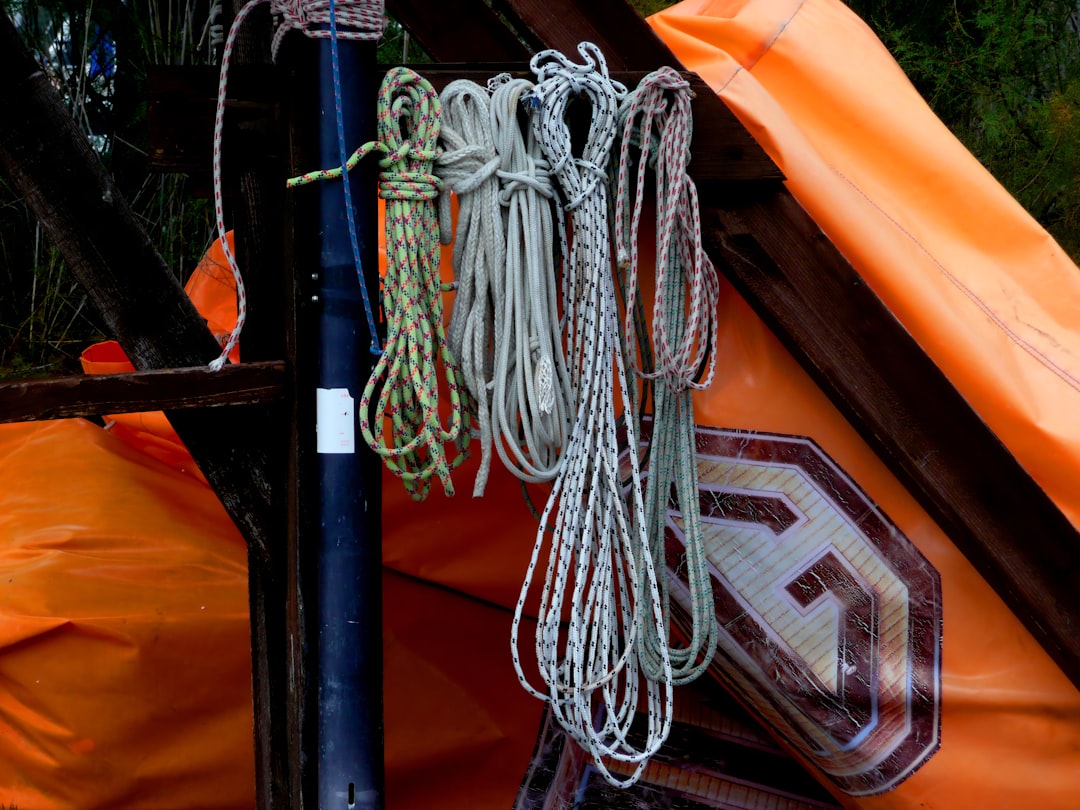
Be sure to conduct a pre-launch check to ensure all these items are on board and accessible.
Environmental Considerations and Launching Regulations
Keen on protecting its beautiful lakes and rivers, Arkansas authorities emphasize the importance of observing “Leave No Trace” principles. This includes proper disposal of trash, not disturbing wildlife, and avoiding invasive species contamination by cleaning your kayak before and after use.
Also, be aware that many public boat launches in the state may require a usage fee or permit. Some areas managed by the U.S. Army Corps of Engineers, Arkansas State Parks, or local municipalities have their own rules governing public access.
Permits and Special Use Areas
While in general kayaking doesn’t require a permit in Arkansas, some protected waters and parks might have specific access rules or seasonal restrictions. Areas like:
- Buffalo National River
- White River Wildlife Refuge
- Certain state parks with fragile ecosystems
…may require permits or registration due to conservation concerns. Always consult the park’s visitor center or official website before planning your trip.
Rules During Hunting Seasons
Kayaking during waterfowl hunting season can inadvertently put paddlers at risk. In Arkansas, portions of rivers and lakes may be heavily used by hunters in late fall and winter. While kayaking is still allowed, take extra caution by:
- Wearing brightly colored clothing
- Avoiding waterfowl hunting zones during early morning hours
- Listening for gunfire and observing posted signs
This ensures your presence doesn’t interfere with hunting and keeps you safe from potential accidents.
Conclusion: Know Before You Go
Staying informed is the most responsible choice you can make before kayaking in Arkansas. While the state is relatively lenient on unpowered boats in terms of registration, that doesn’t mean you can skip over other crucial legal and safety requirements. Ensuring you have life jackets, appropriate lighting, and are sober while paddling helps protect not just your life, but also the experience of others enjoying Arkansas’s waterways.
Consult the Arkansas Game and Fish Commission for any updates or region-specific rules that may affect your planned outing. When in doubt, follow the law, put safety first, and enjoy the abundance of water trails scattered across this beautiful southern state.