
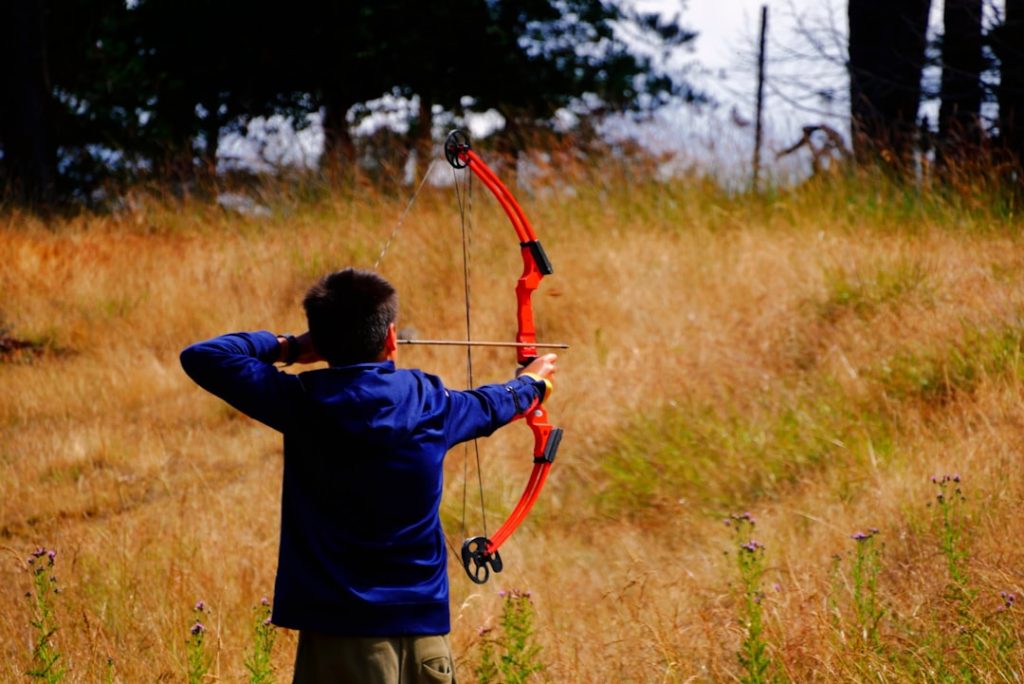
For any aspiring or experienced archer, understanding and properly measuring draw length is crucial. Whether choosing the right bow or improving shooting accuracy, draw length plays a vital role in overall performance. Incorrect draw length can lead to inconsistent shooting, discomfort, and even injury over time.
TL;DR: Draw length is the distance between the nocking point on the string and the grip’s deepest point when drawn to full anchor. An accurate draw length ensures comfort, consistency, and enhanced performance. Use easy measuring methods like the wingspan technique or consult a professional. Mistakes in measurement can result in decreased accuracy and potential injury.
What Is Draw Length in Archery?
Draw length refers to the distance from the nocking point on the bowstring to the vertical part of the grip (the throat of the grip) when the archer is at full draw. This measurement typically includes an additional 1.75 inches, so the total draw length is measured from the string to the archer’s anchor point plus that extra length. The draw length varies depending on an archer’s physical dimensions, particularly their arm length and posture.
Having the correct draw length is essential. An archer with the wrong draw length—too short or too long—will find it challenging to shoot with precision or comfort. Bow setup and arrow length are also dependent on this critical measurement, making it a foundational number for any archer to know.
Why Proper Draw Length Is Crucial
- Accuracy: Consistent draw length ensures repeatable shooting form, which directly impacts accuracy.
- Comfort: A proper draw length prevents overreaching or compressing the body, reducing fatigue during long shooting sessions.
- Equipment Fit: The length of arrows and bow settings rely on draw length for optimal fitting and performance.
- Safety: Using incorrect draw length can cause instability or awkward posture, increasing the risk of strain or injury.
How to Measure Draw Length
Method 1: The Wing Span Method
This is the most commonly used and easiest method to estimate draw length, especially for beginners:
- Stand with your back against a wall.
- Stretch your arms out horizontally on either side, palms open facing forward.
- Have someone measure the distance from the tip of one middle finger to the other.
- Take this wingspan measurement in inches and divide it by 2.5.
Formula: Draw Length (inches) = Wingspan (inches) / 2.5
So, for someone with a 70-inch wingspan, the estimated draw length would be 28 inches.
Method 2: Draw Length on a Bow
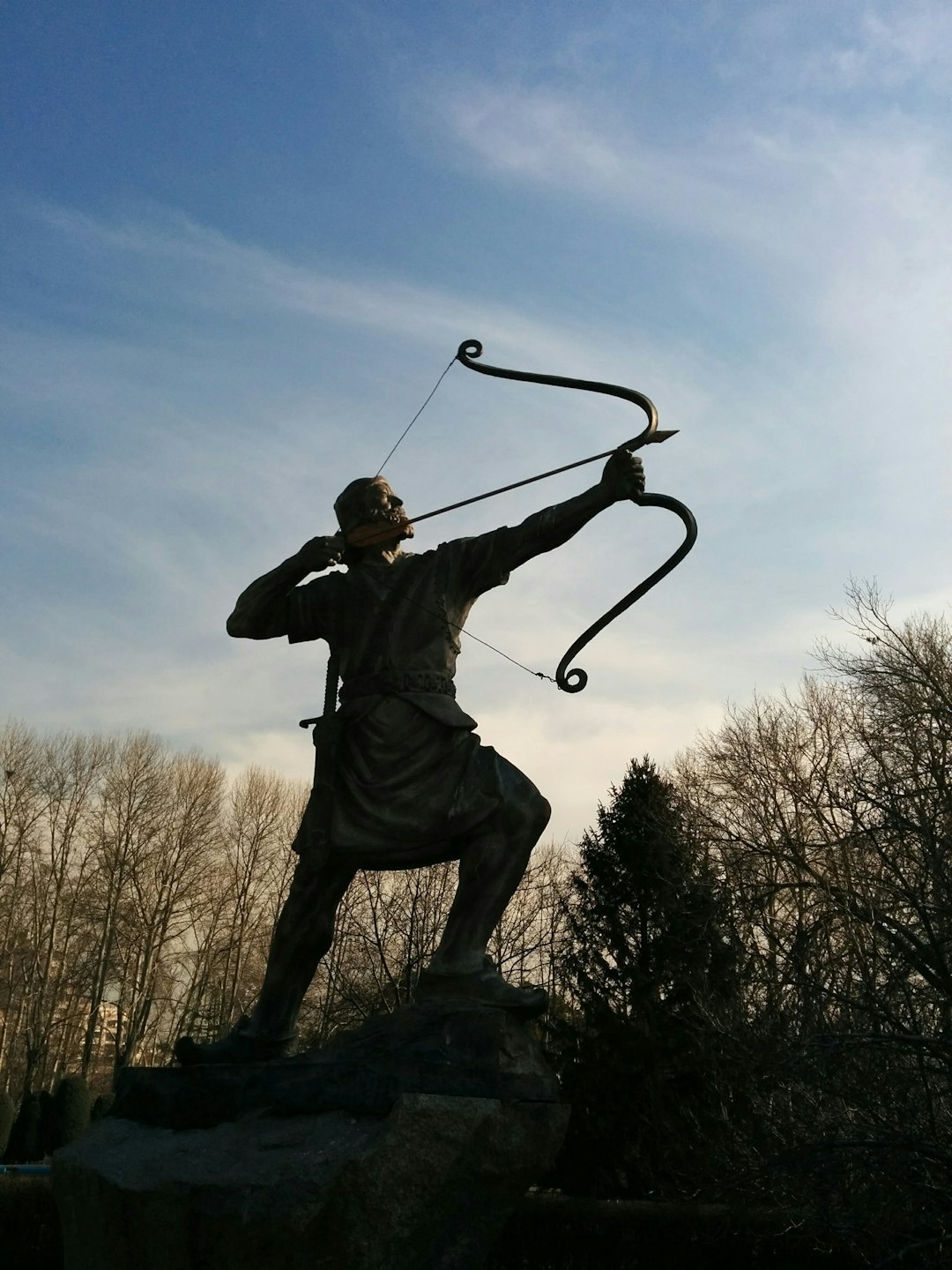
If you have access to a bow with a draw length scale or markers, this method provides a more accurate “real world” measurement:
- Use a bow with a draw length scale or use a draw arrow (a special arrow marked with inch-gradings).
- Draw the bow to your standard anchor point (usually near the corner of the mouth or chin).
- Have someone record the distance from the nocking point on the string to the pivot point inside the grip (the throat), or simply look at the index on the arrow markings.
This gives a more precise reading, especially for experienced archers accustomed to their form and position.
Method 3: Archery Shop Measurement
Visiting an archery pro shop is the most reliable way to determine draw length. Professionals use specialized tools and machines, like a draw board, to:
- Simulate the full draw posture
- Measure to-the-fraction accuracy
- Account for personal shooting style and form
This is especially advisable for compound bow users or those investing in custom-fitted equipment.
Signs of an Incorrect Draw Length
It’s not always obvious when your draw length is off. Here are some clues to watch for:
- Anchor point inconsistency: If your anchor point doesn’t feel natural or changes often, your draw length might be the issue.
- Over-extension: Elbow locks out or shoulder hunches forward while drawing? Your draw length may be too long.
- Crowding: Bowstring contacts your face too early or things feel tight? Likely too short of a draw length.
- Accuracy drops: Frequent left-right shooting errors and fatigue can be signs of draw length problems.
How Draw Length Affects Arrow Choice
Arrow length and spine (stiffness) are directly related to a shooter’s draw length. Using arrows that are too short can be unsafe, particularly for compound archers. Here are some key relationships:
- Longer draw length = longer arrows: This requires stiffer spines to handle the increased force.
- Shorter draw = lighter arrows: Often more forgiving, but can behave unpredictably with high-speed setups.
- Incorrect spine: Can lead to poor arrow flight and missed targets.
Adjusting Equipment Based on Draw Length
Modern bows often allow adjustments in draw length. Compound bows have rotatable cam modules or limb adjustments, while traditional bows might require custom draw-level practice. After measuring, tune your gear accordingly:
- Compound Bow: Check manufacturer specs and adjust cam settings or modules.
- Recurve Bow: Choose appropriate arrow length and practice correct draw repeatedly for muscle memory.
- Arrows: Cut and spine the arrows based on the confirmed draw length and bow type.
Maintaining Consistent Draw Length
Measuring draw length once is not enough. Regularly check and revisit this measurement if your form changes, you switch styles, or undergo physical changes (e.g., strength training). Techniques to help maintain consistency include:
- Mirror practice of anchor point
- Using a consistent grip and posture
- Recording draw length at regular intervals
Conclusion
Knowing and maintaining your draw length plays a foundational role in your success and safety in archery. From selecting the right arrows to standing consistently at the target line, draw length affects every aspect of your form and performance. Whether you’re just starting or tuning fine details for competition, taking the time to accurately measure and understand your draw length is time well spent.
Frequently Asked Questions (FAQ)
- Q: Can I measure draw length by myself?
A: Yes, the wingspan method is perfect for solo use. However, using a bow or getting professional help will be more precise. - Q: How do I know if my draw length is too long?
A: Indicators include overreaching, elbow locking, or the string touching unusual parts of your face. - Q: Is draw length the same for all bow types?
A: No. While the measurement method is similar, recurve and compound draw lengths are often fine-tuned differently due to design variances. - Q: Do kids and adults use the same method?
A: Yes, but kids may need help from an adult, and their draw length should be checked regularly as they grow. - Q: What happens if I shoot with the wrong draw length?
A: Accuracy may decline, discomfort may occur, and over time, complications like muscle strain or even injury are possible.