
For decades, enthusiasts and critics alike have pondered over one intriguing question regarding a high-energy, gear-intensive recreational activity: is paintball a sport? As the popularity of paintball continues to gain traction globally, it’s worth taking a closer look at whether this vibrant, adrenaline-fueled pursuit qualifies as a legitimate sport or merely recreational fun.
TLDR (Too Long; Didn’t Read)
Paintball is widely considered a sport due to its competitive structure, set of rules, physical exertion, and skill requirements. It incorporates many traits of traditional sports, such as teamwork, strategy, and athletic ability. While some may view it as only a game, organized leagues, tournaments, and professional teams argue otherwise. Ultimately, paintball fits the criteria needed to define it as a sport.
What Defines a Sport?
To assess whether paintball qualifies as a sport, it’s essential to first understand what categorizes an activity as one. Most definitions emphasize the following core components:
- Physical exertion: Athlete must use significant energy and movement.
- Skill: Mastery over equipment and techniques is required.
- Competition: There is an element of opposing sides or scoring systems.
- Rules: Activities are governed by formal regulations and officiated events.
With these definitions in mind, one can start comparing paintball to other widely accepted sports such as soccer, basketball, or even eSports.
Paintball Meets the Criteria
Paintball includes every major element associated with sports:
1. Physical Exertion
Running, crawling, dodging, and sprinting under pressure are fundamental parts of paintball. Players wear heavy gear, carry markers (paintball guns), and move across a field that often includes obstacles or rough terrain. When played aggressively or in tournament settings, the physical demand can be just as intense as in many traditional sports. Cardiovascular fitness, agility, and stamina are vital attributes.
2. Skill and Strategy
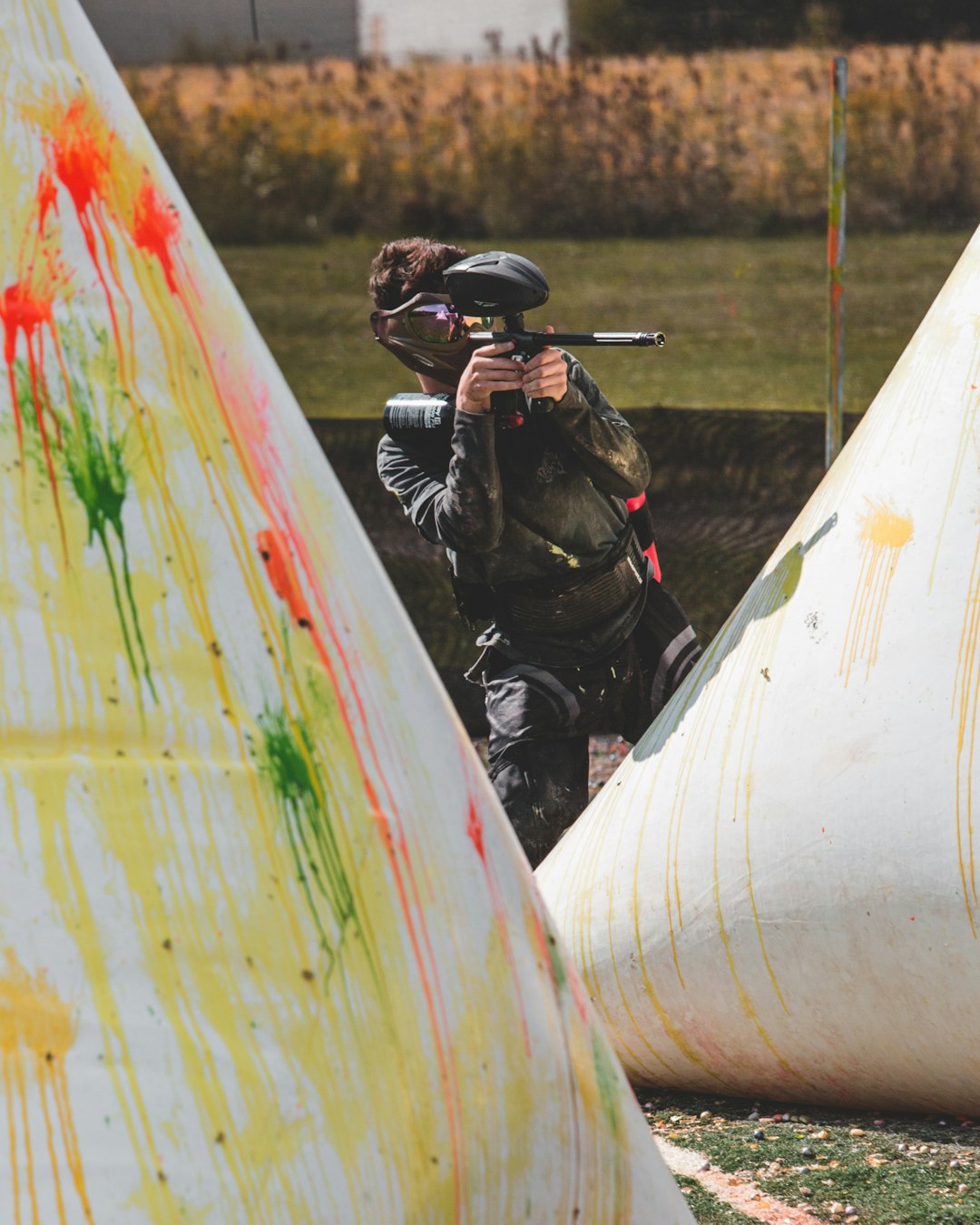
There’s a significant level of strategy and finesse involved in competitive paintball. Elite players possess exceptional hand-eye coordination, quick reflexes, and a deep understanding of terrain tactics and communication. Sharpshooting with a paintball marker and avoiding being hit takes hours of practice and tactical planning during gameplay.
3. Competitive Environment
Paintball isn’t just played in someone’s backyard. Organized leagues like the National Xball League (NXL) host international events with ranking systems, cash prizes, and team sponsorships. The structured competition adds a serious dimension to the game, elevating it beyond mere play.
4. Official Rules and Governance
The sport has official regulations, safety protocols, and referees. Just like in football or tennis, a match cannot be conducted fairly without abiding by clearly defined rules. Officiating ensures fair play and consistency across regional and global tournaments. Games are broken into timed rounds and have scoring systems similar to other sports.
The Recreational vs. Competitive Divide
Much of the confusion around paintball not being seen as a sport stems from its widespread recreational use. Many people try it for fun during birthdays or team-building events, often in casual settings. This gives an impression of it being purely a leisure activity.
However, this is not unique to paintball. Soccer, basketball, and even swimming also have recreational versions played by amateurs with little competitiveness. What makes something a sport is not how it’s played casually but how it is structured and experienced at the competitive level.
In fact, the recreational accessibility of paintball has helped fuel the competitive scene. Players often fall in love with the game in casual formats before transitioning into regional teams and competition formats.
The Evolution of Paintball
Since its inception in the 1980s, paintball has seen continuous evolution. What started as a survival game among friends has transformed into an organized sporting event with global participation. Televised tournaments, specialized gear companies, training camps, and professional teams now define modern paintball culture.
Today, paintball even has different classifications that cater to various styles:
- Speedball: Fast and dynamic, played on small fields with inflatable obstacles.
- Woodsball: Tactical gameplay in natural environments like forests or outdoor terrain.
- Scenario Paintball: Reenactments of historical or fantasy events that involve large-scale strategic missions.
Each type requires unique tactics, physical readiness, and specialized equipment. The skill differentiation required for each format is further evidence of the sport’s complexity.
Institutional Recognition
Paintball has been recognized by various national and international sporting bodies. Though not yet part of the Olympics, efforts are underway to have it included in future games—particularly due to its growing youth participation levels. Associations such as the United Paintball Federation (UPBF) and NXL have introduced structures similar to those seen in mainstream sports like football or baseball.
Universities have started forming varsity paintball teams, and paintball is now a featured activity at numerous sports expos and tournaments, lending credibility to its status as a sport.
Arguments Against Paintball as a Sport
Detractors often argue that the lack of global standardization or its relatively recent origin disqualifies it as a sport. Others cite the lack of continuous physical movement (compared to soccer or tennis) as a drawback. However, these points can be made about many emerging or niche sports like disc golf or curling—which are still recognized on sports platforms worldwide.
With professional coaching, fitness regimens, and tactical analysis becoming norms in the upper echelons of paintball, these arguments hold less weight over time.
Conclusion: Yes, Paintball is a Sport
After analyzing its adherence to the core tenants of what makes an activity a sport—physical activity, strategy, competitive nature, and official rules—it’s clear that paintball checks every box. While it shares space with hobbyist and recreational communities, the same can be said of almost every major sport.
As paintball continues to grow and evolve, recognition of it as a legitimate sport is increasingly accepted by organizations, athletes, and audiences worldwide.
FAQs About Paintball as a Sport
-
Q: Is paintball physically demanding?
A: Yes, players engage in a high level of physical activity that includes running, crouching, and quick directional changes. -
Q: Are there professional paintball players?
A: Absolutely. Many players compete professionally in leagues like the NXL and receive sponsorships. -
Q: Does paintball have standardized rules?
A: Yes, official tournaments are governed by strict rules and referees to ensure fair play. -
Q: Can children participate in paintball?
A: Many paintball fields offer low-impact paintball for younger age groups, typically starting from age 8 and up. -
Q: Is there a national or global paintball federation?
A: Yes, bodies like the UPBF work to unify leagues globally and promote the sport of paintball.