
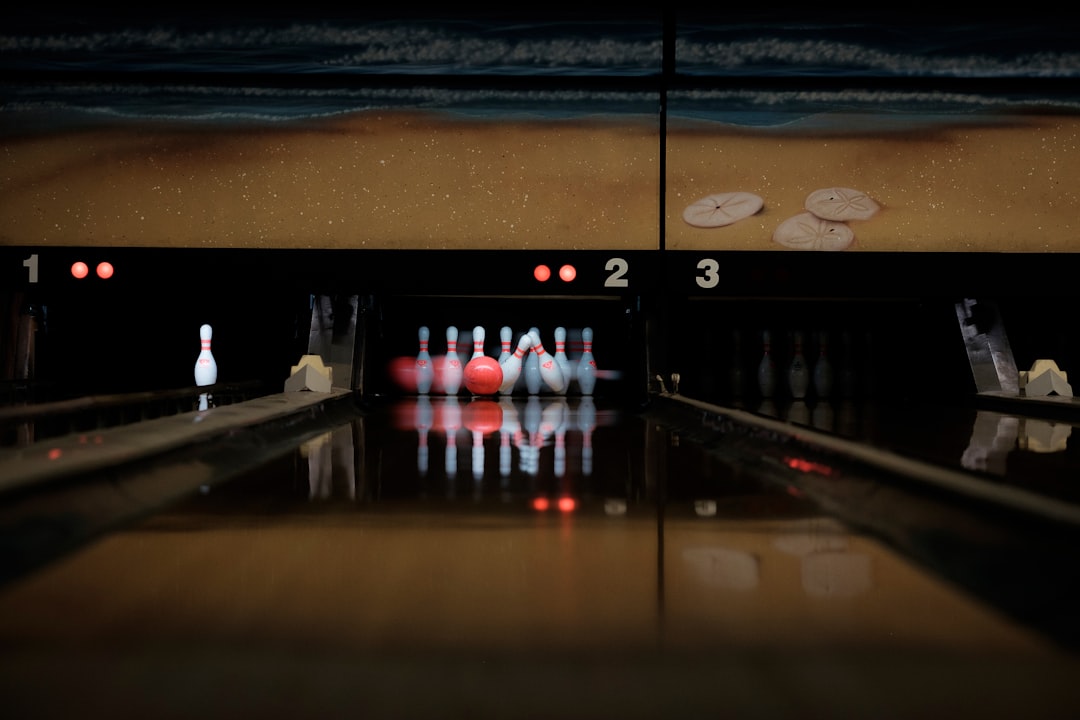
Whether you’re a casual bowler or a competitive player, understanding the dimensions of a bowling lane is essential to mastering the game. Many aspects of bowling — from ball speed and angle of delivery to lane oil patterns — depend heavily on the exact structure of the playing field. Knowing the lane’s specifications can enhance your appreciation of the sport and improve your performance.
TL;DR: A regulation bowling lane — from the foul line to the head pin — measures exactly 60 feet in length. The lane has a width of 41.5 inches and includes gutters, an approach area, and a pin deck. It’s built to strict industry standards, especially for professional play. Whether you’re using it for recreational purposes or in a sanctioned tournament, the dimensions generally remain consistent.
Standard Bowling Lane Dimensions
Bowling lanes used in official leagues and tournaments are highly standardized. The governing bodies such as the United States Bowling Congress (USBC) and World Bowling ensure that dimensions meet uniform requirements.
- Length (Foul Line to Head Pin): 60 feet (18.29 meters)
- Total Lane Length (Including Approach and Pin Deck): Approximately 86.5 feet (26.37 meters)
- Width: 41.5 inches (105.41 cm)
- Approach Area: 15 feet in front of the foul line
- Pin Deck: Approximately 2 feet behind the head pin
This ensures consistency across all levels of play and allows bowlers to practice on surfaces they are likely to encounter in competition.
The Key Sections of a Bowling Lane
It’s essential to break down the lane into its key segments to fully understand its layout and function. Each section plays a role in how the bowling ball behaves from the moment it’s released to the point where it contacts the pins.
1. The Approach Area
The approach is generally 15 feet long and leads up to the foul line. Bowlers use this space to build momentum and aim their shots. It is typically made of wood or synthetic material and allows for smooth footwork and traction.
2. The Foul Line
This thin, contrasting line demarcates the start of the actual lane. If a bowler crosses it while delivering the ball, it’s called a foul and the shot is disqualified. The USBC mandates the foul line to be exactly 3/8 inch wide.
3. The Lane Surface
The playing surface — the actual lane — extends 60 feet from the foul line to the center of the head pin. Often made of maple and pine woods or synthetic materials, it features carefully applied oil patterns that influence the ball’s motion. These patterns can vary based on league rules, skill level, and venue preferences.
4. The Gutters
Running alongside both sides of the lane are the gutters, each typically about 9.25 inches wide. If the ball falls into the gutter, it results in a miss — no pins knocked down from that roll.
5. Pin Deck and Back-End
The last 2 feet of the lane contain the pins arranged in a triangular configuration. Behind them is the pit area that collects the pins and balls for reset and return. Precision in this area is vital for smooth operation of the pinsetter mechanism.
Material Composition of a Bowling Lane
The performance of a bowling lane heavily depends not only on its dimensions but also on the materials used in its construction.
- Wooden Lanes: Traditional lanes are made from hard maple and pine. Maple is used in the approach and pin deck due to its durability, while pine is softer and used in the middle lane section.
- Synthetic Lanes: More modern bowling centers use synthetic materials like urethane or PVC-based products. These require less maintenance and allow for consistent oil patterns and reduced wear.
The construction material affects how a ball travels and reacts, which is why competitive bowlers often take note of lane composition before matches.
Lane Oil and Its Impact
In addition to dimensional and material considerations, another critical factor is lane oil. Oil is applied to protect the surface of the lane and to influence the ball’s behavior. It reduces friction and can cause the ball to slide longer before hooking toward the pins.
Different types of oil patterns can either assist or hinder bowlers depending on their skill level:
- House Patterns: Easier, more forgiving oil layouts found in recreational centers.
- Sport Patterns: More demanding, used in competitive events with less margin for error.
This strategic application of oil adds a layer of complexity to the seemingly simple act of rolling a bowling ball down the lane.
International Standards and Variations
While most modern bowling alleys adhere to the same dimensions, certain variations can exist in lanes around the world or in facilities designed for non-traditional bowling games:
- Five-Pin and Ten-Pin Bowling: Variants such as five-pin bowling (popular in Canada) may use shorter or narrower lanes.
- Candlepin Bowling: Found mainly in New England, these lanes still typically measure around 60 feet, but the lane structure, ball, and pins differ greatly.
Despite these minor differences, ten-pin bowling remains the most standardized and widely practiced form of the sport.
Maintenance and Wear Considerations
Over time, even the best-maintained lanes can show signs of wear. This can affect the texture, traction, and evenness of the surface, all of which disturb the ball’s path.
To keep lanes within regulation conditions, centers regularly:
- Re-oil the lanes (daily or after a certain number of games)
- Buff and clean the surface using specialized lane machines
- Monitor lane topography to check for slope inconsistencies
Compliance with USBC maintenance guidelines ensures fairness and enhances the lifespan of the lane.
Lane Length and Training Implications
Understanding the exact 60-foot length of the bowling lane isn’t just trivia — it’s critical for player development. Serious bowlers often fine-tune their stride, ball release point, and timing based on this measurement.
Coaches and trainers use it to develop drills, footwork patterns, and targeting systems that align with standardized lane setups.
Conclusion
The length of a bowling lane — precisely 60 feet from the foul line to the head pin — is one of the many carefully regulated aspects of the sport. Understanding this dimension, along with the lane’s composite materials and oiling patterns, provides vital context for players, coaches, and enthusiasts alike. By appreciating the level of precision that goes into building and maintaining a bowling lane, one can gain a deeper respect for both the game and the skill it demands.
As with any sport, mastery comes not only from physical practice but also from a solid grasp of foundational knowledge — including something as deceptively simple as knowing how long the lane really is.