
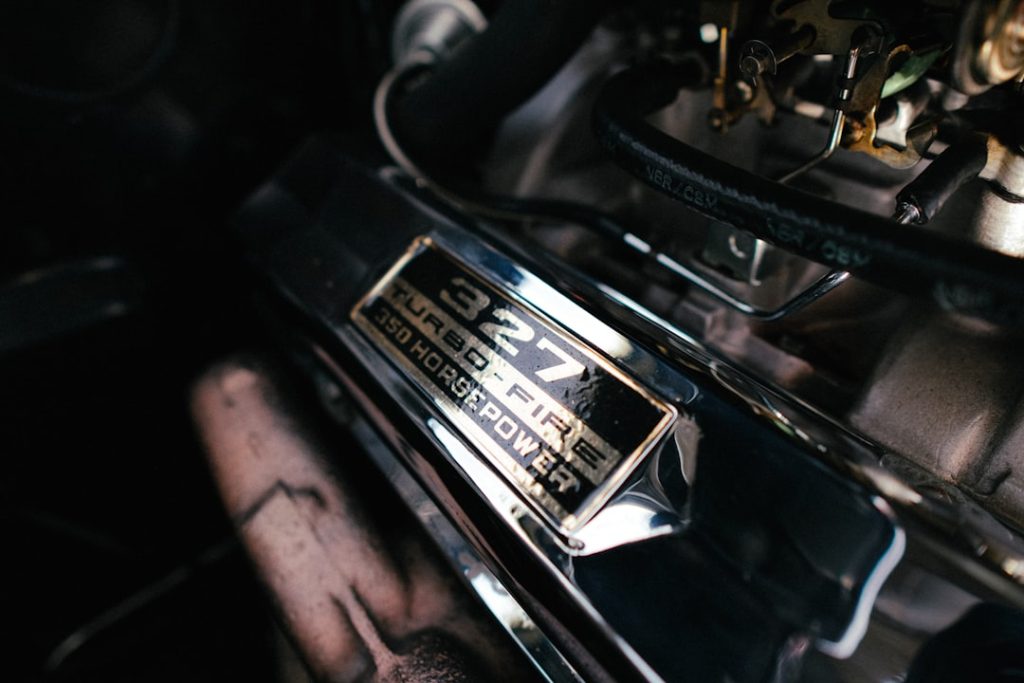
General Motors (GM), one of the largest and most influential automakers in the world, is facing a wave of legal scrutiny over alleged defects in its V8 engines. These high-profile lawsuits center around claims of excessive oil consumption, premature engine wear, and widespread mechanical failures affecting a variety of GM vehicles. As consumer trust hangs in the balance, the case raises serious questions about corporate responsibility and the obligations of automakers to ensure product safety and quality.
TLDR (Too Long, Didn’t Read):
GM is being sued over alleged design and manufacturing defects in its V8 engines, particularly the Generation IV 5.3-liter V8. Plaintiffs argue that the engines consume excessive oil and suffer from premature wear, which GM allegedly knew about but failed to address. The case highlights significant concerns about corporate accountability and the duty owed to consumers. The outcome could set legal and ethical precedents for the automotive industry.
The Alleged Defect: A Design Flaw?
At the heart of the controversy lies the Generation IV 5.3-liter V8 engine, which has been used extensively in a range of GM models, including the Chevrolet Silverado, Tahoe, Suburban, and various GMC and Cadillac vehicles. Plaintiffs claim that this engine suffers from a manufacturing defect that causes excessive oil consumption and results in premature engine damage.
Specifically, the issue appears to arise from design flaws in the piston rings, which fail to create a proper seal. This allows engine oil to seep into the combustion chamber and burn off, leading to lower-than-expected oil levels. When oil runs low, engines are more susceptible to overheating, component wear, and eventual failure.

In response to consumer complaints, GM allegedly revised the engine design in later model years but failed to issue a recall for the earlier vehicles. This lack of remedial action has become a focal point of legal proceedings, with plaintiffs arguing that GM had a duty to correct the issue for all affected vehicles—not just future production lines.
Legal Action: A Rising Tide of Litigation
The lawsuits—many of which have been consolidated into a class-action suit—assert that GM knowingly sold vehicles equipped with defective engines and misled consumers about their reliability. Plaintiffs are seeking compensation for engine repairs, diminished resale value, and other damages incurred due to the alleged defect.
The legal claims include:
- Negligence – GM failed to exercise reasonable care in the design and manufacture of the engines.
- Fraud and Misrepresentation – GM deceptively marketed vehicles with the knowledge of the oil consumption problem.
- Breach of Warranty – Customers allege that GM violated express and implied warranties regarding engine performance and quality.
Several courts have allowed the suits to proceed past initial dismissal motions, signaling that the complaints are sufficiently grounded to merit trial. In some jurisdictions, preliminary settlements have been discussed, though none have yet led to broad resolutions. This ongoing legal drama draws attention not only from consumers but also from industry watchdogs and regulatory agencies.
Impact on Consumers and Vehicles Affected
Owners of affected vehicles report a variety of problems, ranging from minor inconveniences such as needing to add oil more frequently, to major issues like complete engine failure. These problems typically emerge earlier than expected in the vehicle’s lifecycle—sometimes well before 100,000 miles—a crucial point for consumers who make long-term investments in automotive reliability.
Models affected by the alleged defect include:
- Chevrolet Silverado (2007–2013)
- GMC Sierra (2007–2013)
- Chevrolet Suburban and Tahoe
- Cadillac Escalade
- GMC Yukon
Beyond financial loss, consumers also face the inconvenience of frequent repairs, unexpected breakdowns, and potential safety hazards. The situation has sparked anger and disappointment among GM’s once-loyal customer base.

Corporate Accountability and Transparency
At the core of this lawsuit is a broader discussion about corporate accountability in the automotive industry. Critics argue that GM’s alleged knowledge of the defect—and its failure to promptly and transparently address the issue—represents a betrayal of public trust. The case calls into question how much responsibility corporations have when balancing profitability against reliability and consumer well-being.
If the court finds in favor of the plaintiffs, the legal consequences could be far-reaching. GM may face financial penalties, be forced to initiate a large-scale recall, or be required to offer extended warranties and reimbursements. Moreover, a ruling against GM could set precedents for how future cases involving technical defects are judged, especially when tied to a perceived delay or absence of corporate transparency.
What Could This Mean for the Automotive Industry?
The ripple effects of this lawsuit may extend well beyond GM. With today’s vehicles growing increasingly complex, modern engines involve greater reliance on proprietary technology and electronic systems, contributing to potential systemic vulnerabilities. As more consumers become aware of their legal rights, manufacturers may need to rethink how they handle internal defect disclosures and quality control processes.
Increased accountability could lead to:
- More rigorous pre-market testing of engine components
- Greater openness about recurring mechanical issues
- More proactive recall policies
- Improved customer service practices
Such changes, if implemented across the board, could improve long-term trust between automakers and consumers—an essential ingredient for sustained brand loyalty and public goodwill.
Frequently Asked Questions (FAQ)
- Which GM engines are affected by the alleged defect?
- The lawsuits primarily focus on the Generation IV 5.3L V8 engines found in various Chevrolet, GMC, and Cadillac vehicles between 2007 and 2014.
- What specific problems do consumers report?
- Most complaints involve excessive oil consumption, carbon buildup, engine knocking, stalling, and in some extreme cases, complete engine failure.
- Has GM admitted fault in this case?
- No, GM has not admitted liability. The company maintains that the engines met all performance and durability standards and that in some cases, poor maintenance may be to blame.
- Are there any settlements available?
- As of now, there is no universal settlement. However, discussions are reportedly underway, and some individual lawsuits may have reached preliminary resolutions.
- Can owners still join the class-action lawsuit?
- It depends on the state and the status of the case. Vehicle owners should consult legal counsel or visit the official class action website to determine eligibility.
- What should I do if I own an affected vehicle?
- Maintain accurate service records, report any unusual engine behavior, and consider consulting a legal expert if you’ve experienced problems. Keep documentation of repairs and communications with GM or authorized dealerships.
As this case continues to unfold, consumers and industry observers alike will be watching closely to see how one of the world’s largest automakers responds to the call for greater transparency and responsibility. Whether or not GM is held fully accountable for the alleged defects, the legal and ethical questions raised will likely echo across the automotive world for years to come.