
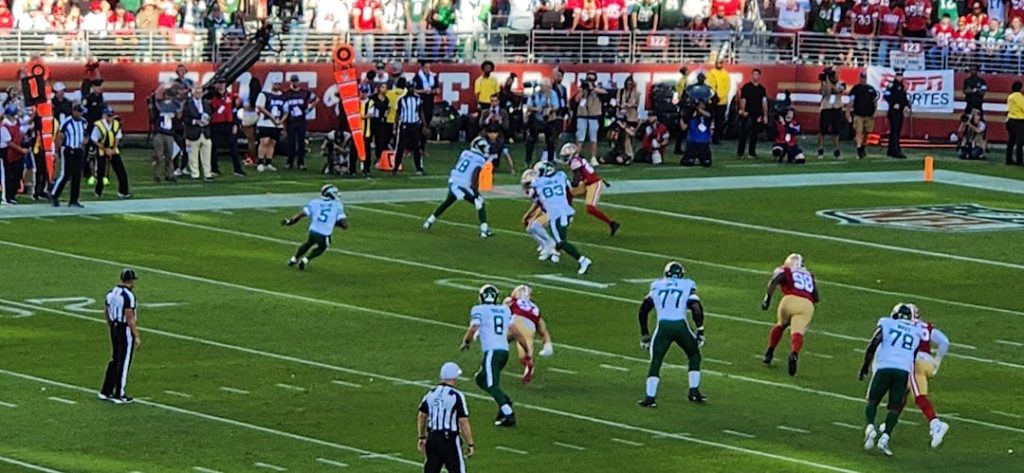
The Denver Broncos and the Baltimore Ravens faced off in a high-intensity gridiron clash that sparked excitement and offered a vivid demonstration of talent, strategy, and sheer determination. With both teams hungry for victory, fans were treated to a gripping matchup packed with standout plays, hard hits, and pivotal performances from key players across offense, defense, and special teams.
TL;DR Summary
In this intense showdown between the Broncos and Ravens, both teams brought their A-game, but one walked away with a critical edge in execution. While the Broncos showed promise through defensive pressure and a strong running game, it was the Ravens’ superior quarterback play and red-zone efficiency that made the difference. Major contributors included Lamar Jackson’s multidimensional play, a breakout performance by Zay Flowers, and an exceptional Ravens secondary that held strong under pressure. The game was not just a contest of points but of endurance, adaptability, and clutch moments.
Quarterbacks: Duel of Different Styles
The quarterback battle was a study in contrasts. Ravens’ Lamar Jackson, known for his dual-threat prowess, executed a dynamic game plan, while Broncos veteran Russell Wilson tried to rely more on structured passing and occasional scrambling.
- Lamar Jackson: 247 passing yards, 2 passing touchdowns, 64 rushing yards, 0 turnovers. Jackson’s ability to escape pressure and extend plays was a vital element of the Ravens’ offensive rhythm.
- Russell Wilson: 198 passing yards, 1 touchdown, 1 interception, 36 rushing yards. Wilson had moments of clarity but struggled against the Ravens’ aggressive blitz packages.
Jackson methodically exploited the Broncos’ zone coverage, frequently hitting seam routes and breaking out of the pocket to move the chains. Wilson, under heavy duress from the Ravens’ front seven, found it difficult to establish timing with his receivers.

Running Game Comparison
On the ground, both teams had contrasting approaches. The Broncos leaned on physicality and inside runs while the Ravens mixed misdirection and outside runs with QB-designed keepers.
- Javonte Williams (Broncos): 18 carries, 85 yards, 1 rushing touchdown. Williams delivered one of his best power-running performances this season, consistently gaining yards after contact.
- Gus Edwards (Ravens): 12 carries, 56 yards, complemented by Lamar Jackson’s own rushing threat. Edwards offered decisive short-yardage conversions and wore down the defense late in the game.
Despite the Broncos having a slight edge in total rushing yards, the Ravens’ timing in critical third downs proved more effective in maintaining control of the game’s tempo.
Receiving Corps and Pass Defense Breakdown
The passing targets for both teams had uneven contributions. While neither team had a 100-yard receiver, the weight of key plays told a different story.
- Zay Flowers (Ravens): 6 receptions, 79 yards, 1 touchdown. Flowers dazzled with sharp cuts and yards after catch, becoming a go-to target for Jackson.
- Courtland Sutton (Broncos): 5 receptions, 68 yards. Sutton provided physicality and reliable hands, but struggled to get separation against Marlon Humphrey.
- Mark Andrews (Ravens): 4 receptions, 45 yards. Played a crucial role over the middle on 3rd downs.
In terms of defensive back play:
- Ravens Secondary: Recorded 1 interception (Marcus Williams) and 5 pass breakups. Tight coverage and simulated pressure made Wilson uncomfortable.
- Broncos Secondary: Held their own in stretches but allowed too many chunk plays, especially on play-action rollouts.
Defensive Fronts and Sack Production
This game was aggressively fought in the trenches, with both defensive units generating solid pressure.
- Justin Madubuike (Ravens): 2 sacks and consistent backfield disruption. He emerged as a force that the Broncos’ offensive line struggled to contain.
- Baron Browning (Broncos): 1.5 sacks, 3 QB pressures. Browning kept Lamar Jackson on edge and was the most effective pass rusher for Denver.
Overall, the Ravens defense accumulated 4 sacks and 8 QB hurries, whereas the Broncos managed 3 sacks but failed to convert critical 3rd down stops in the second half.
Special Teams Impact
Special teams often get overlooked, but not in this game. Both kickers were called on multiple times, with efficiency being the key.
- Justin Tucker (Ravens): 3-for-3 FGs, including a 52-yarder in the fourth quarter that extended the lead.
- Wil Lutz (Broncos): 2-for-2 FGs, but lacked long-range attempts as drives stalled early past midfield.
Also notable was the Ravens’ punt return unit, which averaged 16 yards per return — a hidden contributor in field position over the course of the game.
Key Takeaways and Final Thoughts
This was a game of small margins and timely execution. The Ravens’ superior red-zone efficiency and defensive composure made the ultimate difference. Lamar Jackson’s calculated improvisation set the tone, while the Broncos’ inconsistencies in critical moments, including a missed third down conversion late in the fourth quarter, sealed their fate.
Here are the final stats rundown for perspective:
- Final Score: Ravens 27, Broncos 20
- Total Yards: Ravens 386, Broncos 345
- Time of Possession: Ravens 33:10, Broncos 26:50
- Turnovers: Ravens 0, Broncos 1
The match underlined the Ravens’ ability to finish strong and capitalize on mistakes, while the Broncos showed resilience and flashes of brilliance but fell short in execution when it mattered most.
Frequently Asked Questions (FAQ)
Who was the best-performing player in the Broncos vs Ravens matchup?
Lamar Jackson stood out as the game’s MVP with 2 touchdown passes, over 300 total yards, and a turnover-free performance. His dual-threat capability gave Baltimore the edge on multiple drives.
What was the biggest turning point in the game?
The interception by Marcus Williams in the third quarter halted a promising Broncos drive and led to a Ravens touchdown soon after, swinging the momentum firmly in Baltimore’s favor.
How did the Broncos defense perform?
The Broncos defense held up well in the first half and managed 3 sacks overall. However, they struggled with containing explosive plays and gave up critical third-down conversions, especially in the second half.
Were there any major injuries during the game?
No major injuries were reported that had a lasting impact on the game. A few players left temporarily for evaluation but all key starters returned.
What does this result mean for playoff implications?
For the Ravens, this win strengthens their playoff positioning and improves their seeding chances. The Broncos, however, now face a steeper climb to stay in contention and must win key upcoming matchups to keep their hopes alive.