
The fierce rivalry between Real España and F.C. Motagua is one of the most respected and passionate matchups in Central American football. These two clubs, representing Honduras with pride, carry decades of tradition, sporting excellence, and emotional encounters that have thrilled fans across generations. Whenever these two sides clash, it’s more than just a football game—it’s a defining cultural moment in Honduran sport.
TLDR: Real España vs. Motagua is one of the premier rivalries in Honduran football, offering gripping encounters full of emotion, drama, and history. Both clubs boast rich legacies, notable players, and championship successes. From legendary matches to rising young stars, this rivalry continues to shape the football narrative in Central America. Whether played in San Pedro Sula or Tegucigalpa, the excitement never wanes.
Two Clubs with Proud Histories
Real España, based in San Pedro Sula, was founded in 1929 and has long been a pillar of Honduran football. The club enjoys wide support in northern Honduras and boasts a golden history of national championships and regional success. On the other hand, F.C. Motagua, formed in 1928 and based in the capital city of Tegucigalpa, carries an equally strong legacy, with a reputation for consistent performance and passionate fanbase.
- Real España: Founded in 1929, known as “La Máquina”
- F.C. Motagua: Established in 1928, nicknamed “Las Águilas Azules”
- Both clubs are multiple-time winners of Liga Nacional de Fútbol Profesional de Honduras
While both clubs have domestic dominance, their rivalry has transcended just statistics—it is built on years of close matches, title chases, and legends who’ve left everything on the field.
Memorable Matches
The history between Real España and Motagua is peppered with unforgettable games. From league finals to high-stakes mid-season clashes, the intensity often reaches fever pitch.
One of the most iconic matchups occurred in the 2010–11 Apertura Final, where Real España emerged victorious after two dramatic legs. Motagua, however, got their revenge in later seasons with superior head-to-head results in several playoff encounters.

Some other standout moments include:
- 1999 Semi-Final Battle: A brutal two-leg draw with Motagua edging ahead on away goals.
- 2017 Final Duel: Two of Honduras’s most prominent clubs going head-to-head again, igniting national attention.
- Regular Season Drama: Numerous last-minute goals, comeback victories, and red-card feuds.
Rivalry Stats Worth Noting
As with any celebrated derby, numbers tell their own story. Though the All-Time Series shifts slightly with each encounter, both teams have had periods of dominance.
As of 2023:
- Head-to-head matches: Over 200
- Motagua wins: Approx. 80+
- Real España wins: Approx. 70+
- Draws: Nearly 50
Such stat lines emphasize balance, illustrating why this fixture continues to be so compelling. It’s not just about scorelines—it’s about pride and legacy. Neither team lets up when they face their old adversaries.
Legendary Players Who Shaped the Fixture
A number of iconic Honduran footballers have written their names into the annals of this rivalry.
Real España Legends:
- Julio César de León – Revered playmaker known for his incredible skill and powerful shots.
- Ramón Maradiaga – Midfield general who later became a respected coach.
- Wilmer Velásquez – Noted for his lethal finishes during high-pressure moments.
Motagua Greats:
- Amado Guevara – One of Honduras’s most celebrated internationals, mastermind in midfield.
- Milton Núñez – The extremely pacey striker who always posed a threat to Real España’s backline.
- Marcelo Ferreira – Brazilian-born striker who became a club legend with consistent goal scoring.
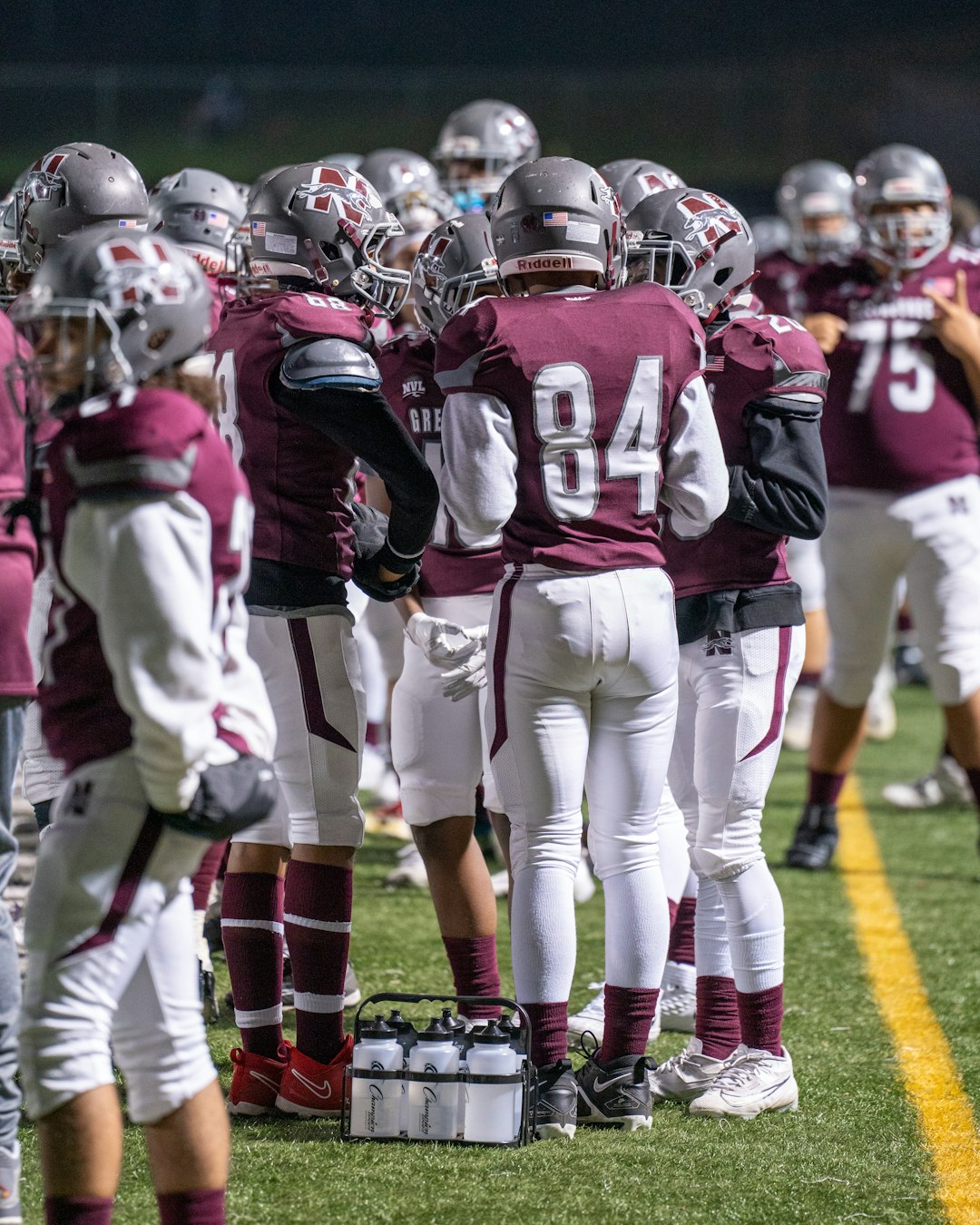
These players added layers of narrative to every duel, elevating each match into a spectacle. Their influence continues to inspire the next generation of Honduran footballers.
Current Trends and Future Outlook
In recent seasons, the rivalry has evolved with younger stars stepping into the limelight. The tactical battle has intensified with more international coaches bringing fresh approaches. Players like Maylor Núñez (Motagua) and Jhow Benavídez (Real España) show how the rivalry is in good hands with a new generation of talent.
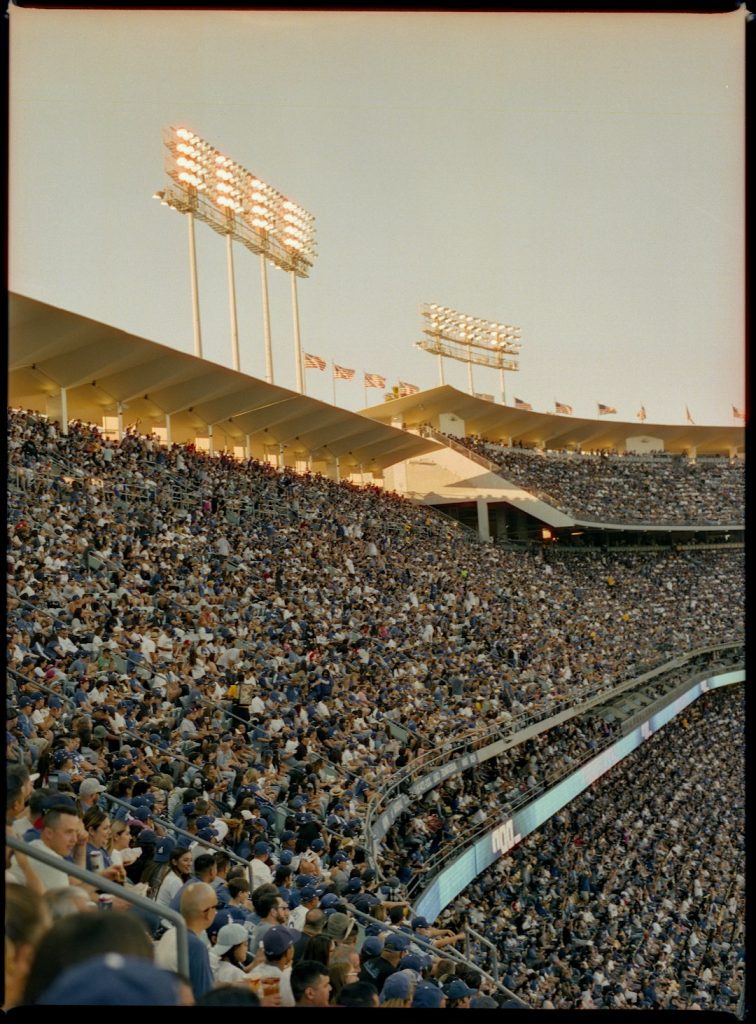
Attendance figures remain strong, especially during derby weekends. Local communities gear up in both Tegucigalpa and San Pedro Sula with energy that can only be found in matches of this caliber.
International broadcasts have further amplified the reach of the rivalry, cementing its place not just in Honduran sports culture, but also gaining interest across North and South America.
Cultural Significance Beyond the Pitch
The Real España vs. Motagua rivalry is not just about football—it’s about regional pride. When San Pedro Sula’s gold-and-black face off against Tegucigalpa’s blue-and-white, it becomes a representation of identity, loyalty, and community spirit.
Events leading up to the matches often include fanfare, parades, and social media campaigns. Fans don jerseys and flags with pride, whether it’s on the streets or in watch parties at home. Even local businesses thrive on rivalry days—from sports bars to street vendors.
Over the years, friendly banter and heated debates between the two fanbases have only intensified the bond between the clubs and their communities. While violence and disorder are strongly condemned, the passionate rivalry fuels a healthy atmosphere of competition and fandom.
FAQs
-
Q: When was the first match between Real España and Motagua?
A: The exact date of the first official encounter is in the early years of their participation in the Liga Nacional, post its formation in 1964. Since then, the clubs have met frequently in both league and playoff settings. -
Q: Which team has the upper hand historically?
A: Historically, the contest has been closely matched, with Motagua holding a slight edge in overall wins. However, Real España tends to dominate in some recent playoff battles. -
Q: Where are the matches played?
A: Real España hosts games at Estadio Olímpico Metropolitano in San Pedro Sula, while Motagua plays at Estadio Nacional Chelato Uclés in Tegucigalpa. -
Q: Have the teams ever met in international club tournaments?
A: While both clubs have participated in international competitions like the CONCACAF League, it’s uncommon for them to meet outside domestic tournaments due to draw restrictions. -
Q: Who are the current coaches of Real España and Motagua?
A: Coaching changes are frequent, but as of the most recent season, both clubs are managed by experienced Latin American tacticians known for adapting to high-pressure environments.
From historic matches and legendary players to regional pride and cultural importance, the rivalry between Real España and Motagua symbolizes the heartbeat of Honduran football. It’s a story still being written, one clash at a time.