
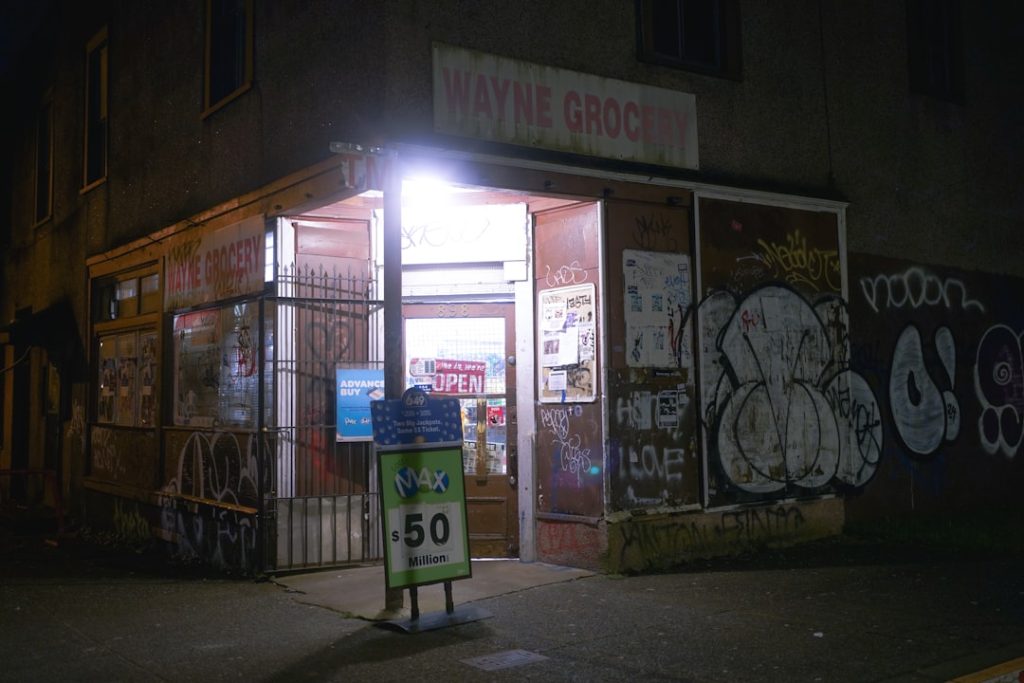
The question “Where was the winning Powerball ticket sold?” is often one of the first asked after a jackpot drawing captures national attention. Beyond the staggering dollar amounts and overnight millionaires, the exact retail location becomes a focal point for journalists, lottery officials, statisticians, and hopeful players alike. The place where the winning ticket was purchased frequently becomes a temporary landmark, drawing crowds, media coverage, and speculation.
TLDR: The winning Powerball ticket is sold at an officially licensed retailer, such as a convenience store, supermarket, or gas station, in the state where the winner purchased it. The exact location is publicly announced by lottery officials shortly after the drawing is verified. The retailer often receives a financial bonus for selling the winning ticket. Interest in the store can surge dramatically in the days following the announcement.
Understanding where a winning Powerball ticket was sold requires more than simply identifying a store. It involves examining how the Powerball system operates, how information is confirmed and released, and why the location often becomes part of the national narrative surrounding a jackpot win.
How Powerball Ticket Sales Work
Powerball is a multi-state lottery game operated by the Multi-State Lottery Association (MUSL). Tickets are sold through licensed retailers in participating states, the District of Columbia, Puerto Rico, and the U.S. Virgin Islands. Each state lottery oversees its own retailers while adhering to common rules for drawing and prize distribution.
Tickets are typically sold at:
- Convenience stores
- Gas stations
- Supermarkets
- Dedicated lottery outlets
- Authorized online lottery platforms in certain states
When a jackpot is won, lottery officials trace the winning ticket through the system back to the specific retail terminal where it was printed. Because tickets are uniquely identified within each state’s system, the exact location can be verified quickly and accurately.
The Announcement of the Winning Location
Once the winning numbers are drawn and confirmed, lottery officials begin cross-checking ticket sales data. If a jackpot-winning ticket is identified, the state lottery where it was sold issues an official press release. This typically includes:
- The name of the retailer
- The city and county
- The jackpot amount
- Information about the retailer bonus
Only after a thorough validation process is completed will officials publicly confirm the location. This ensures integrity and prevents misinformation. In high-profile jackpots, multiple agencies may coordinate to verify the results before releasing details.

Why the Retailer Matters
The retailer that sells a winning Powerball ticket does not share in the jackpot itself, but it does receive a financial incentive. Most participating states award a bonus ranging from $10,000 to $1 million, depending on the size of the jackpot and state-specific rules.
This bonus serves several purposes:
- It rewards the retailer for participating in the lottery program.
- It encourages responsible ticket sales practices.
- It generates publicity for the lottery system.
For small businesses, selling a jackpot-winning ticket can be transformative in non-monetary ways as well. The influx of visitors and media attention can significantly boost business traffic for weeks after the announcement.
Impact on the Local Community
When news breaks that the winning Powerball ticket was sold in a particular town or city, community response is often immediate and enthusiastic. Residents may feel a sense of collective pride, even if they have no connection to the winner.
Common community reactions include:
- Lines forming at the retailer within hours
- Local news coverage and interviews
- Temporary decorations or signage celebrating the win
- Increased ticket sales due to heightened optimism
Economically, the direct impact may be limited to retailer bonuses and short-term tourism, but emotionally and psychologically, the effect can be substantial. The idea that “someone from here” won often fuels renewed participation in future drawings.

Does Location Influence Winning Odds?
A common misconception is that certain states or stores are “luckier” than others. In reality, Powerball drawings are conducted using regulated randomization systems designed to ensure fairness and impartiality.
The probability of winning the jackpot remains the same regardless of where the ticket is purchased. However, states with larger populations may appear to produce more winners simply due to higher ticket sales volumes.
For example:
- States like California, Texas, and Florida often report more winners.
- This is statistically linked to higher ticket sales, not increased probability per ticket.
- Every ticket has the same mathematical chance of winning.
Therefore, while the location of a winning ticket is newsworthy, it does not imply any systemic advantage.
Record-Breaking Jackpots and Their Locations
Throughout Powerball history, several record-breaking jackpots have drawn extraordinary public interest in where the tickets were sold. Some have involved multiple winning tickets across different states, further amplifying the question of location.
In multi-winner scenarios, officials announce each retailer separately, sometimes in entirely different regions of the country. This reinforces the game’s broad geographic reach and highlights its nationwide participation.
Locations that have sold historic jackpots often become associated with that moment for years. Even long after the winner has claimed—or declined to publicly claim—the prize, the retailer may advertise its connection to the event.

Anonymity and Public Disclosure
While the retailer’s identity is almost always disclosed, the same cannot be said for the winner. Laws vary significantly by state:
- Some states require winners to be publicly identified.
- Others allow winners to remain anonymous.
- Several states permit anonymity only for prizes above a certain threshold.
This distinction explains why the location of sale is usually known immediately, but the identity of the winner may remain confidential. The retailer location poses no privacy risk, whereas revealing the winner’s identity could have serious security and financial implications.
Security and Verification Procedures
Before announcing where the winning Powerball ticket was sold, lottery officials undertake strict verification measures. These include:
- Validating the winning numbers against certified drawing results
- Confirming the authenticity of the retailer terminal transaction
- Ensuring compliance with state lottery regulations
- Checking for system anomalies or reporting discrepancies
This process is critical to maintaining public trust. Powerball operates under extensive auditing standards, and every drawing is monitored by independent observers. The credibility of the game depends on complete transparency in reporting the winning ticket’s origin.
The Role of Media Coverage
News outlets play a significant role in amplifying the importance of the winning ticket’s location. Headlines frequently emphasize the store and city, sometimes even before details about the jackpot payout options are discussed.
This focus stems from the public’s natural curiosity. The physical, tangible place—a corner store, a supermarket checkout aisle—makes the abstract concept of random chance feel immediate and relatable. It reinforces the idea that anyone purchasing a ticket could be standing in the same spot as the next winner.
Conclusion
When asking “Where was the winning Powerball ticket sold?” the answer typically centers on a specific, licensed retailer in a participating state, publicly confirmed through a careful validation process. The location becomes newsworthy not because it alters the odds, but because it symbolizes possibility.
The official announcement of the retailer builds transparency, rewards participation, and reinforces confidence in the lottery system. While the jackpot winner may remain anonymous in some states, the store where that life-changing ticket was printed becomes part of the historical record.
Ultimately, the winning ticket can come from anywhere within the network of authorized sellers. Every certified retailer has equal potential to issue the next jackpot-winning ticket. And when it happens, the answer to where it was sold will once again capture national attention—precise, verified, and officially documented.