
The Chicago Bears and Buffalo Bills delivered a compelling showdown that highlighted contrasting team identities, strategic adjustments, and individual performances on both sides of the ball. From quarterback efficiency to defensive resilience, the matchup provided a detailed look at where each franchise currently stands and what adjustments may shape their trajectories moving forward. This in-depth analysis breaks down player performances, tactical decisions, and the key takeaways that defined the contest.
TLDR: The Buffalo Bills capitalized on their offensive efficiency and defensive adjustments to control key moments against the Chicago Bears. Quarterback play, third-down conversions, and red zone execution proved decisive. While the Bears showed flashes of promise—particularly in their ground game and defensive pressure—they struggled with consistency. The game ultimately highlighted the Bills’ polish and the Bears’ ongoing development.
Quarterback Performance Breakdown
The quarterback matchup was central to the game’s outcome. Buffalo’s signal-caller demonstrated poise under pressure, effectively stretching the field while limiting turnovers. His command of pre-snap reads and adjustments allowed the Bills to exploit mismatches, particularly against zone coverage.
On critical downs, the Bills’ quarterback displayed elite anticipation and arm strength, threading passes into tight windows and extending plays when protection faltered. His completion percentage on third down was especially impressive, sustaining drives and tiring the Chicago defense.
Conversely, the Bears’ quarterback showed flashes of athleticism and mobility but faced consistent pressure. While he connected on several deep shots and utilized his legs to escape collapsing pockets, inconsistencies in intermediate throws limited offensive momentum. Defensive disguised coverages forced hesitation, resulting in stalled drives.
Running Game Analysis
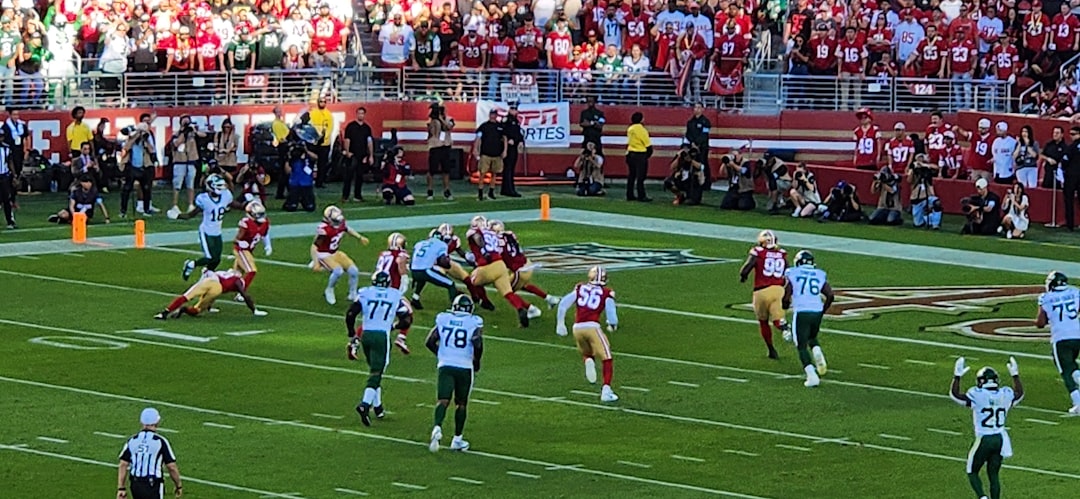
Chicago leaned heavily on its rushing attack, attempting to establish physical dominance early. Their primary running back delivered a strong performance, averaging solid yardage per carry and breaking multiple tackles. The offensive line created effective interior lanes in the first half, particularly through double-team blocks at the line of scrimmage.
However, Buffalo’s defensive adjustments in the second half tightened those running lanes. Linebackers filled gaps more aggressively, and safeties crept into the box to neutralize inside zone runs.
Buffalo’s ground attack, while not explosive, was efficient. The Bills used a balanced approach:
- Inside zone runs to keep the defensive front honest
- Perimeter sweeps to stretch Chicago’s linebackers laterally
- Screen passes functioning as extended handoffs
This balanced scheme prevented the Bears from keying on one dimension of the offense.
Wide Receivers and Pass Catchers
The Bills’ receiving corps proved to be a decisive factor. Their top wide receiver showcased elite route-running precision, consistently creating separation on slant and dig routes. His yards after catch significantly boosted drives, turning modest gains into first downs.
Tight ends also played a critical complementary role, especially in red zone situations. Seam routes and play-action misdirection created mismatches against Chicago’s linebackers.

For Chicago, production was more sporadic. While one receiver emerged as a primary target, defensive double coverage limited explosive opportunities. Drops at critical moments hindered scoring chances and reflected the team’s broader inconsistency.
Offensive Line Performance
In trench play, Buffalo’s offensive line demonstrated superior cohesion. Protection schemes effectively neutralized Chicago’s edge rush in key moments. Sliding protections and chip blocks gave their quarterback ample time to operate in structured passing situations.
The Bears, meanwhile, struggled with pass protection breakdowns. Interior pressure disrupted timing routes, forcing hurried throws. While the line showed competency in run blocking early, adjustments by Buffalo’s defensive front reduced effectiveness in later quarters.
Defensive Standouts and Tactical Adjustments
Defensively, Buffalo’s secondary was disciplined and opportunistic. Safeties maintained deep coverage integrity, preventing explosive plays over the top. Cornerbacks executed tight man coverage in the second half, disrupting Chicago’s rhythm.
Key highlights included:
- Timely blitz packages that produced drive-stalling sacks
- Red zone discipline limiting the Bears to field goals
- Turnover generation shifting field position advantage
Chicago’s defense had moments of intensity, particularly in early down run defense. Their pass rush generated pressure up the middle, but missed tackle opportunities allowed Buffalo to extend drives.
Special Teams Impact
Special teams often determine close contests, and this matchup was no exception. Buffalo’s kicker remained reliable under pressure, converting mid-range and long-range field goals. Punt coverage teams also pinned Chicago deep, forcing conservative offensive play calls.
The Bears’ return unit provided occasional sparks with decent field position gains, but penalties negated momentum. Field position ultimately favored Buffalo, influencing play-calling flexibility.
Key Statistical Comparison
| Category | Chicago Bears | Buffalo Bills |
|---|---|---|
| Total Yards | Moderate, balanced run heavy | High, pass efficient |
| Third Down Efficiency | Inconsistent | Strong conversion rate |
| Turnovers | Multiple costly errors | Minimal |
| Time of Possession | Competitive first half | Controlled second half |
| Red Zone Efficiency | Field goals | Touchdowns |
Coaching Decisions and Game Management
Coaching strategy proved pivotal, especially in the second half. Buffalo’s staff made effective halftime adjustments, recalibrating defensive alignments and expanding play-action usage. Their situational awareness—particularly on third-and-short and red zone sequences—demonstrated preparation and adaptability.
Chicago’s coaching approach emphasized establishing the run and controlling tempo. However, delayed adjustments to Buffalo’s defensive stacking allowed predictable play patterns. Late-game urgency resulted in a more aggressive passing approach, but by that point the deficit limited flexibility.
Key Game-Changing Moments
Several plays shifted momentum decisively:
- A third-quarter interception that halted a promising Chicago drive
- A fourth-down conversion by Buffalo sustaining a touchdown drive
- A red zone sack forcing the Bears to settle for three points
These moments illustrated the importance of situational execution. Buffalo capitalized on opportunities, while Chicago missed chances to regain control.
What This Game Means Moving Forward
For the Bills, the victory reaffirmed their identity as a balanced contender capable of adjusting mid-game. The quarterback-receiver chemistry remains elite, and defensive depth allows schematic flexibility.
For the Bears, the loss highlighted both potential and areas needing refinement. The ground game shows promise, but pass protection and receiver consistency must improve for sustained competitiveness. Developmental growth at quarterback and offensive cohesion remain central priorities.
Ultimately, this matchup underscored the difference between a team polished for postseason aspirations and one in the midst of disciplined rebuilding.
Frequently Asked Questions (FAQ)
-
Who was the standout performer in the game?
Buffalo’s quarterback stood out due to efficient passing, leadership on third downs, and minimal turnover risk. His ability to manage pressure defined the contest. -
What was the biggest difference between the two teams?
Third-down efficiency and red zone execution were the clearest differentiators. Buffalo converted key opportunities into touchdowns, while Chicago often settled for field goals. -
Did the Bears show any positives despite the loss?
Yes. Their rushing attack displayed strength and physicality early on, and their defensive line generated interior pressure that disrupted plays at times. -
How did defensive adjustments impact the outcome?
Buffalo’s second-half adjustments tightened run defense and increased pressure packages, limiting Chicago’s offensive flexibility. -
What lessons can each team take from this matchup?
Buffalo can build confidence in its adaptability and depth, while Chicago must focus on improving pass protection, receiver reliability, and in-game adjustment speed.