
Few rivalries in Italian football carry the layered historical texture of AC Milan vs SSC Bari. While not traditionally categorized among Italy’s fiercest derbies, the encounters between these two clubs reflect shifting eras in Serie A and Serie B, contrasting football philosophies, and the broader evolution of Italian club football. From Milan’s European dominance to Bari’s resilient campaigns and occasional giant-killing performances, this timeline offers a compelling look at how two very different institutions have crossed paths over decades of competition.
TLDR: AC Milan and SSC Bari may not share a classic rivalry, but their encounters reveal a fascinating cross-section of Italian football history. Milan’s dominance often contrasted with Bari’s resilience and tactical discipline, especially during Bari’s Serie A seasons. Key matches in the late 20th and early 21st centuries showcase stylistic contrasts and memorable upsets. Together, their timeline reflects broader shifts in Italian football’s competitive and economic landscape.
Origins and Early Encounters (1930s–1960s)
AC Milan, founded in 1899, had already established itself as a prominent force in Italian football by the time SSC Bari, founded in 1908, began climbing through the national ranks. However, meaningful encounters between the two clubs were sporadic in the early decades due to league structures and Bari’s fluctuating presence in the top division.
During the 1930s and 1940s, meetings occurred mainly when Bari achieved promotion to Serie A. At that time:
- Milan was evolving into a structured, tactically astute side.
- Bari focused on survival and consolidation in Italy’s top tier.
Matches typically favored Milan, whose superior squad depth and financial backing made consistent results more attainable. Yet even in early meetings, Bari established a reputation for defensive organization, particularly in home fixtures at the Stadio della Vittoria.
Image not found in postmetaThe 1980s: Diverging Fortunes
The 1980s were transformative for AC Milan. After periods of struggle and even relegation due to the Totonero scandal, the club was revitalized under Silvio Berlusconi’s ownership beginning in 1986. Milan assembled one of the most formidable squads in football history, featuring players such as:
- Franco Baresi
- Paolo Maldini
- Ruud Gullit
- Marco van Basten
- Frank Rijkaard
In contrast, SSC Bari experienced a cycle of promotion and relegation. While capable of strong Serie B campaigns, retaining top-flight status proved challenging.
When the two sides met during this era:
- Milan often dominated possession with Arrigo Sacchi’s high pressing system.
- Bari relied on compact defensive blocks and counterattacks.
The strategic differences during the late 1980s and early 1990s exemplified Italian football’s tactical richness. Milan symbolized international ambition and innovation, while Bari represented disciplined provincial competition.
The 1990s: Competitive Balance and Memorable Matches
The 1990s produced some of the most notable AC Milan vs SSC Bari fixtures. Milan remained a European powerhouse, winning multiple Serie A titles and UEFA Champions League trophies. Bari, meanwhile, enjoyed some relatively stable Serie A seasons, including impressive home performances.
One notable theme during this period was Bari’s unexpected resilience at home. Although Milan frequently claimed victory at San Siro, trips to Bari were not always straightforward. Southern Italian atmospheres often proved demanding for visiting teams.
Key characteristics of 1990s encounters included:
- Milan’s technical superiority in midfield.
- Bari’s physical intensity and counterattacking play.
- Competitive first halves before Milan’s fitness and depth prevailed.
These matches also highlighted emerging talents. Bari gained recognition for youth development, producing players who would later succeed at higher-profile clubs.
Early 2000s: Upsets and Transitional Phases
The early 2000s marked another interesting chapter. AC Milan, under Carlo Ancelotti, added European silverware with Champions League triumphs in 2003 and 2007. Players such as:
- Andriy Shevchenko
- Kaká
- Alessandro Nesta
- Clarence Seedorf
ensured Milan’s status among Europe’s elite.
Yet, during Bari’s intermittent returns to Serie A, they occasionally disrupted expectations. Bari’s approach was pragmatic, focusing on tactical cohesion. On rare occasions, they secured surprise draws or made matches far closer than league standings suggested.
This period illustrated a broader truth about Italian football: even the most dominant clubs could not underestimate newly promoted or mid-table opposition.
Statistical Overview of Head-to-Head Meetings
While exact numbers vary depending on categorization (league vs cup matches), certain patterns are clear.
| Category | AC Milan | SSC Bari |
|---|---|---|
| Total Serie A Wins | Significant Majority | Limited |
| Home Advantage Impact | Very Strong at San Siro | Resilient at Home |
| Goals Scored (Overall) | Consistently Higher | Lower but Competitive |
| European Titles (Club History) | Multiple Champions League Titles | None |
The table reinforces the structural disparity between the clubs. Milan’s global prestige and resources typically translated into dominance, but Bari’s competitive spirit prevented the fixture from ever becoming entirely predictable.
Stadium Atmosphere and Cultural Significance
Matches between AC Milan and SSC Bari also represent a subtle cultural contrast between northern and southern Italy.
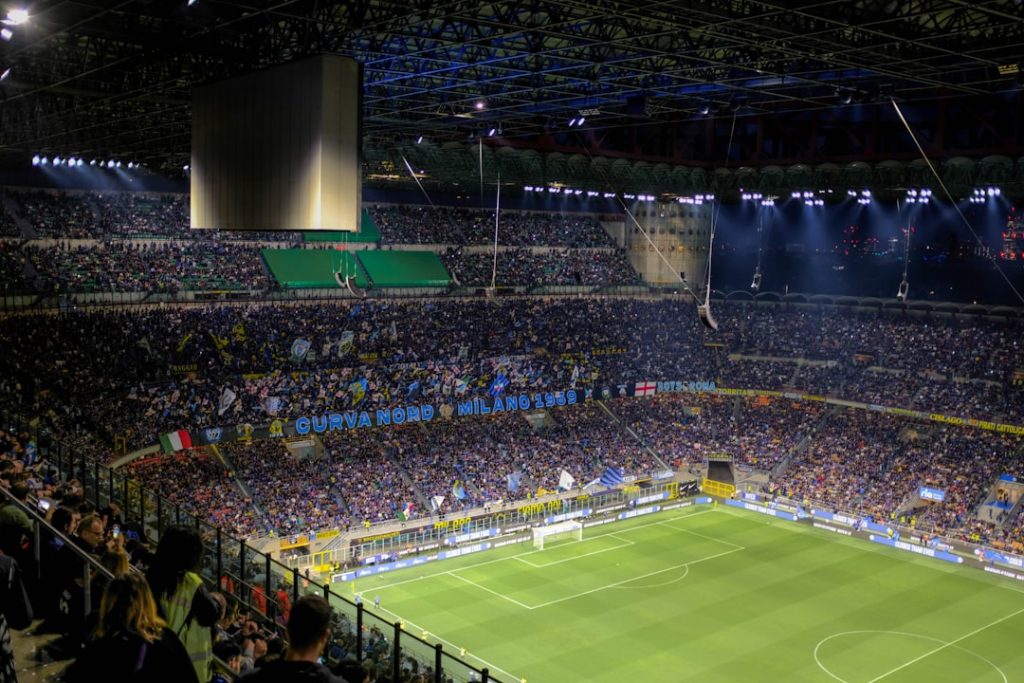
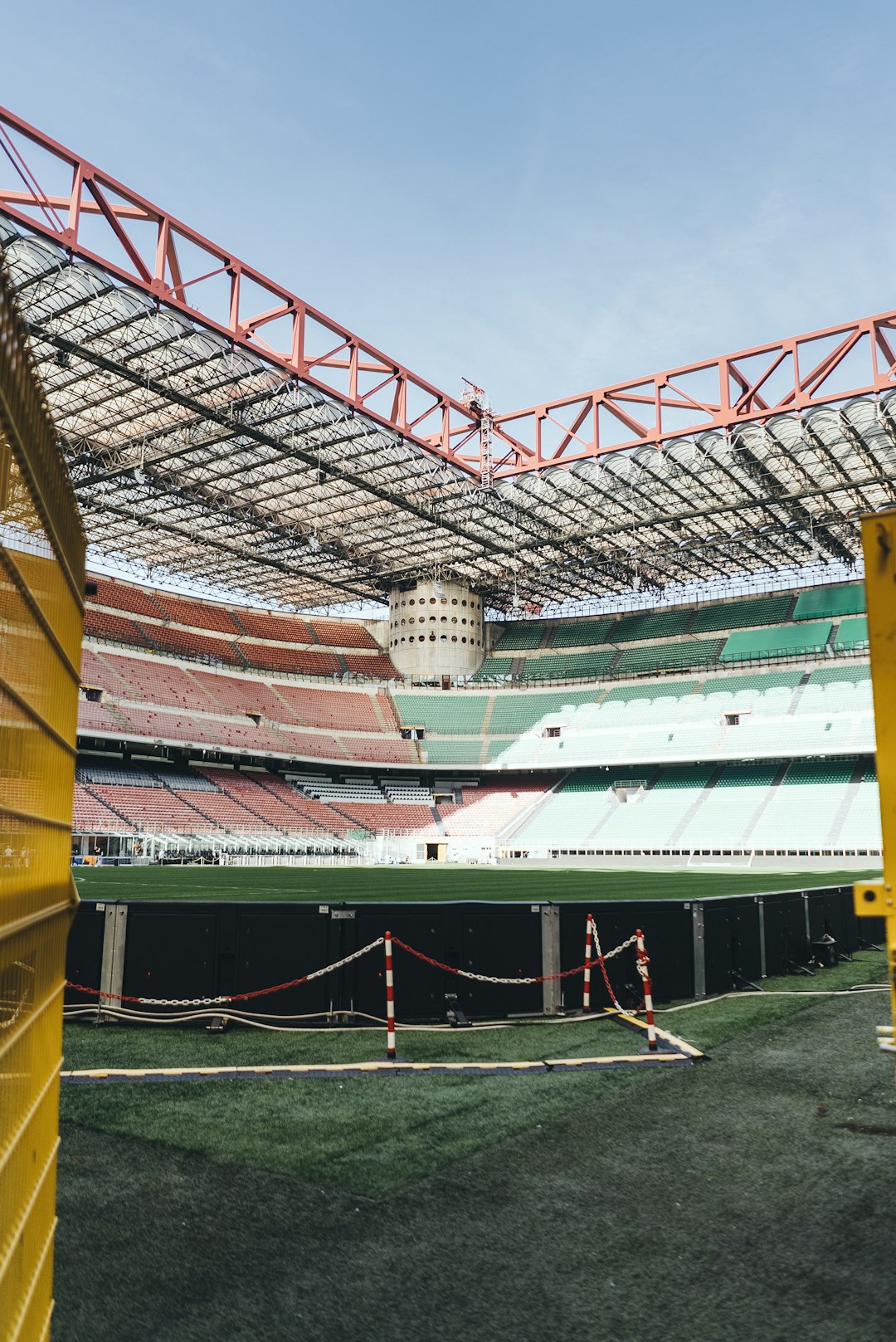
- San Siro (Stadio Giuseppe Meazza) symbolizes metropolitan scale, global branding, and European ambition.
- Stadio San Nicola in Bari represents regional pride and southern identity.
The atmosphere in both stadiums reflects local character. Milan’s home crowd expects technical excellence and silverware. Bari’s supporters prioritize passion, grit, and emotional connection.
Image not found in postmetaTactical Evolution Across the Timeline
Examining the timeline tactically provides further insight:
1. Defensive Catenaccio Era
Earlier encounters often reflected Italy’s traditional defensive systems, with structured back lines and emphasis on counterattacks.
2. Sacchi’s High Press (Late 1980s)
Milan introduced zonal marking and coordinated pressing, setting new standards. Bari struggled at times to adjust to the intensity.
3. Ancelotti’s Technical Control (2000s)
Milan emphasized ball retention and layered midfield creativity, often overwhelming less-resourced sides like Bari.
Across decades, Milan frequently influenced tactical trends, while Bari adapted pragmatically to remain competitive.
Promotions, Relegations, and Interrupted Continuity
One defining feature of the AC Milan vs SSC Bari timeline is its irregularity. Unlike historic rivalries marked by annual clashes, these meetings were often interrupted by Bari’s relegations to Serie B.
This stop-start dynamic resulted in:
- Generational gaps between meetings.
- Shifts in squad composition before rematches occurred.
- Different competitive contexts influencing each encounter.
For Milan, continuity in the top flight ensured institutional stability. For Bari, each promotion represented renewal and opportunity, adding emotional significance to every meeting.
Legacy and Broader Historical Meaning
Although AC Milan vs SSC Bari does not command the attention of Milan derbies or southern rivalries, its historical arc remains important for several reasons:
- It illustrates economic disparities within Italian football.
- It showcases tactical evolution across multiple eras.
- It highlights the resilience of smaller clubs competing against global giants.
For Milan, these matches were often steps toward larger objectives—titles and European campaigns. For Bari, they were high-stakes opportunities to measure progress and claim prestige.
Modern Context and Potential Renewal
In recent years, AC Milan has reestablished itself domestically, capturing the Serie A title in the 2021–22 season and competing consistently in European tournaments. Bari, meanwhile, has focused on rebuilding and pursuing top-flight stability.
A renewed period of regular encounters would reintroduce this historic fixture to contemporary audiences. Younger fans may not associate the matchup with iconic drama, yet history demonstrates that Italian football’s depth ensures every fixture carries narrative weight.
Conclusion
The timeline of AC Milan vs SSC Bari is not defined by fierce animosity or title-deciding showdowns, but by contrasts—north and south, global dominance and regional resilience, continuity and interruption. Through decades of tactical evolution, financial disparity, and competitive unpredictability, these matches have quietly reflected the broader story of Italian football.
In tracing their encounters from the early 20th century to modern times, we see more than match results. We see the structural layers of Italian sport: ambition, adaptation, and identity. And while Milan’s trophy cabinet inevitably overshadows Bari’s accomplishments, the integrity of competition between them remains a testament to football’s enduring competitive spirit.