
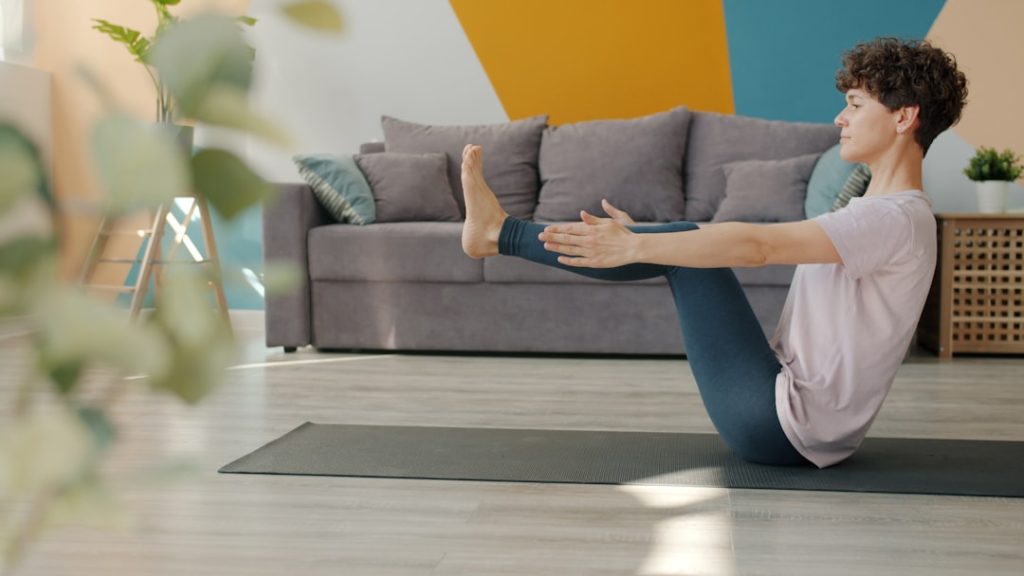
When it comes to improving overall fitness, increasing flexibility, and building core strength, Pilates has earned a loyal following. But one of the most common questions newcomers ask is whether this low-impact exercise method can actually help with weight loss. Unlike high-intensity interval training or long-distance running, Pilates appears gentle and controlled—so can it really make a difference on the scale? The answer depends on several important factors including workout intensity, consistency, and lifestyle habits.
TLDR: Pilates can support weight loss, but it is not primarily a calorie-burning workout like running or HIIT. It helps by building lean muscle, improving posture, strengthening the core, and supporting better movement patterns. When combined with a healthy diet and possibly other forms of cardio, Pilates can be an effective part of a weight loss strategy. On its own, results may be modest but still meaningful for body composition and long-term fitness.
Understanding How Weight Loss Works
Weight loss fundamentally occurs when the body burns more calories than it consumes, creating a calorie deficit. Exercise contributes to this process by increasing calorie expenditure, while nutrition plays a central role in managing calorie intake.
Pilates does burn calories, but typically at a lower rate compared to high-intensity workouts. A standard 50–60 minute Pilates session may burn:
- 200–300 calories for a beginner or moderate session
- 300–450 calories for more advanced or equipment-based sessions
While this may not seem dramatic, the true value of Pilates lies in its ability to reshape and strengthen the body in sustainable ways.
How Pilates Supports Weight Loss
1. Builds Lean Muscle Mass
Pilates focuses heavily on controlled resistance movements. Whether using body weight, resistance bands, or equipment like the reformer, these exercises stimulate muscle growth.
Why does this matter?
Lean muscle tissue burns more calories at rest than fat tissue. As muscle mass increases, the body’s resting metabolic rate can rise slightly, helping improve overall calorie burn throughout the day.
Image not found in postmeta2. Improves Body Composition
Even if the scale does not change dramatically, many practitioners report looking slimmer and more toned. This is because Pilates helps reduce body fat while increasing muscle definition.
Weight loss is not always about lowering total body weight—it is often about improving the ratio of fat to lean mass. Pilates excels in this area by targeting deep stabilizing muscles that are often missed in traditional workouts.
3. Increases Core Strength and Stability
The core is the foundation of nearly every Pilates movement. Strengthening these muscles:
- Improves posture
- Reduces back pain
- Enhances athletic performance
- Improves efficiency during other workouts
With improved core stability, individuals often find they perform better during cardio or strength training, indirectly supporting calorie burn and weight management.
4. Reduces Stress and Emotional Eating
Stress is a known contributor to weight gain, particularly around the abdominal area due to elevated cortisol levels. Pilates incorporates mindful breathing and controlled movement, which may reduce stress levels.
Lower stress can lead to:
- Better sleep
- Improved hormonal balance
- Reduced cravings
- Less emotional eating
These lifestyle improvements can significantly influence long-term weight control.
Pilates vs. Cardio for Weight Loss
Many people wonder how Pilates compares to more traditional calorie-burning workouts. The following comparison highlights key differences:
| Factor | Pilates | Cardio (Running, Cycling) |
|---|---|---|
| Calorie Burn per Hour | Moderate | High |
| Muscle Toning | High | Moderate |
| Joint Impact | Low | Moderate to High |
| Core Strength Focus | Very High | Low to Moderate |
| Injury Risk | Low | Moderate |
While cardio may burn more calories in a shorter time, Pilates offers lower injury risk and stronger muscle engagement. For many individuals—especially beginners, older adults, or those recovering from injury—Pilates can be a sustainable alternative.
Can Pilates Alone Cause Weight Loss?
The honest answer is: it depends.
If someone:
- Practices Pilates consistently (3–5 times per week)
- Chooses moderately intense or advanced sessions
- Maintains a balanced, calorie-controlled diet
They may experience gradual weight loss.
However, if calorie intake exceeds daily energy expenditure, even frequent Pilates sessions may not result in noticeable weight reduction.
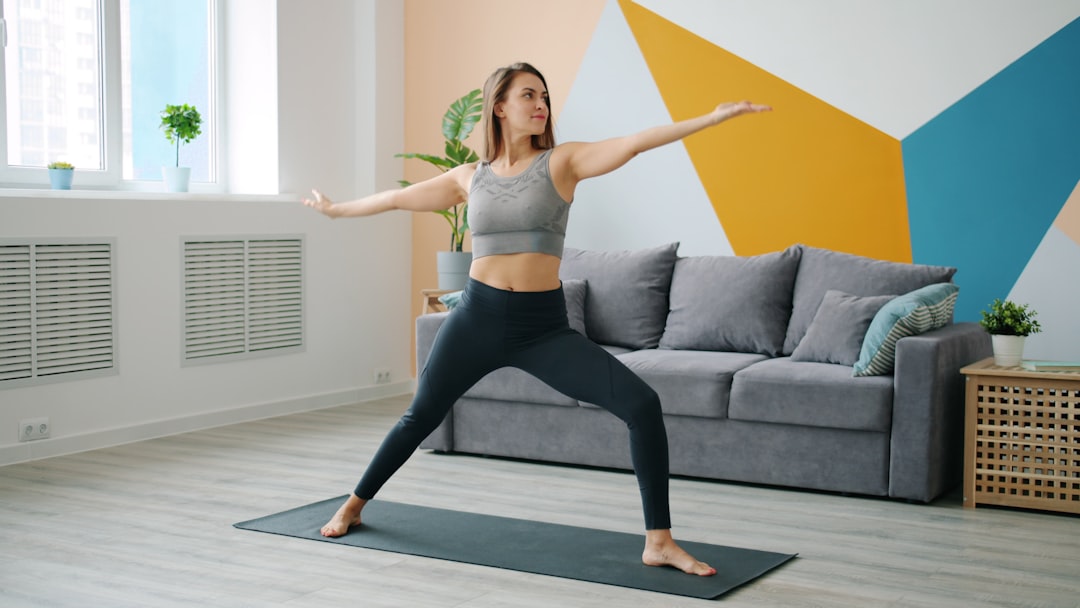
Mat Pilates vs. Reformer Pilates for Weight Loss
There are two main types of Pilates: mat-based and equipment-based (such as reformer Pilates). Each has different implications for calorie burn and muscle engagement.
Mat Pilates
- Uses body weight
- Easier to perform at home
- Lower calorie burn compared to reformer
- Excellent for beginners
Reformer Pilates
- Uses springs and resistance systems
- Higher intensity options available
- Greater muscle activation
- Typically burns more calories
For individuals specifically focused on weight loss, reformer Pilates may offer a slight advantage due to increased resistance and intensity.
How Often Should Someone Do Pilates to Lose Weight?
For weight management goals, fitness professionals often suggest:
- 3–4 sessions per week for noticeable improvements
- Combining Pilates with 2–3 cardio sessions
- Incorporating daily movement such as walking
Consistency is more important than intensity alone. Gradual, sustained effort produces better long-term outcomes than short bursts of intense activity.
Additional Benefits Beyond the Scale
Even if dramatic weight loss does not occur, Pilates offers benefits that support overall wellness and indirectly influence weight control:
- Improved posture (making the body appear taller and leaner)
- Increased flexibility
- Better balance and coordination
- Stronger mind-body connection
- Enhanced breathing efficiency
These benefits increase motivation to stay active, creating a positive feedback loop that supports sustainable health habits.
Common Myths About Pilates and Weight Loss
Myth 1: Pilates Is Too Easy to Burn Fat
While Pilates movements are controlled, they can be highly challenging. Advanced sessions create significant muscular fatigue and elevated heart rates.
Myth 2: You Will See Instant Results
Pilates typically produces gradual changes. Improved posture and muscle tone may appear before actual weight loss occurs.
Myth 3: Pilates Replaces Cardio Completely
Although beneficial, Pilates alone may not provide enough cardiovascular stimulus for optimal heart health or maximum calorie burn. A balanced program is often ideal.
The Ideal Approach: Combining Strategies
For the best weight loss results, Pilates works most effectively when integrated into a broader wellness strategy that includes:
- A nutrient-dense, calorie-appropriate diet
- Regular cardiovascular exercise
- Strength training (Pilates can count here)
- Adequate sleep (7–9 hours per night)
- Stress management techniques
This holistic approach ensures that weight loss is not only achieved but maintained.
Conclusion
Pilates can absolutely support weight loss—but it does so in a subtle, sustainable way rather than through rapid calorie burn. By building lean muscle, enhancing body awareness, improving posture, and supporting stress reduction, it lays a strong foundation for long-term health and fitness.
For individuals seeking dramatic, rapid weight reduction, Pilates alone may not be sufficient. However, for those looking to tone their bodies, improve movement quality, and develop lifelong exercise habits, Pilates is a powerful and effective component of a balanced weight loss plan.
Frequently Asked Questions (FAQ)
1. How long does it take to see weight loss results from Pilates?
Most people notice improved muscle tone and posture within 3–4 weeks. Visible weight loss may take 6–8 weeks or longer, depending on diet and workout frequency.
2. Is Pilates better than gym workouts for weight loss?
Not necessarily better, but different. Gym workouts may burn more calories quickly, while Pilates focuses on deep muscle strengthening and injury prevention. Combining both can be highly effective.
3. Can beginners lose weight with Pilates?
Yes. Beginners can lose weight if they practice consistently and maintain a calorie-controlled diet. Starting slowly and progressing in intensity is key.
4. Does Pilates help reduce belly fat?
Pilates strengthens abdominal muscles and improves core tone. However, spot reduction is not possible. Overall fat loss through calorie balance will reduce belly fat.
5. Is reformer Pilates better for weight loss than mat Pilates?
Reformer Pilates often provides higher resistance and may burn more calories. However, both styles can support weight loss when practiced regularly.
6. How many calories does a 30-minute Pilates session burn?
A 30-minute session typically burns between 100–200 calories, depending on intensity, body weight, and fitness level.
7. Can Pilates change body shape without major weight loss?
Yes. Many people experience a leaner, more toned appearance due to improved muscle definition and posture, even if the scale does not change significantly.