
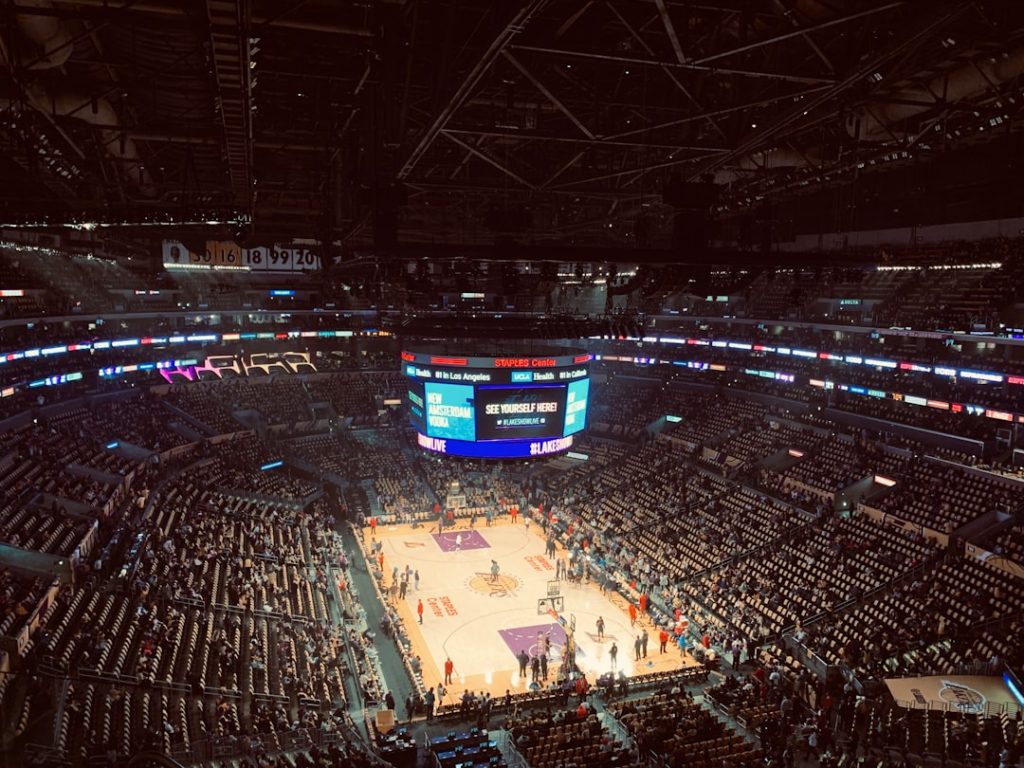
The showdown between the Utah Jazz and the Miami Heat delivered a compelling blend of intensity, execution, and star power. Both teams entered the matchup looking to strengthen their standings, and the result was a fiercely contested game defined by standout individual performances and crucial late-game plays. From explosive scoring runs to lockdown defense, the contest showcased the depth and versatility of both rosters.
TLDR: The Utah Jazz vs Miami Heat matchup featured standout scoring nights, strong defensive sequences, and a tightly contested fourth quarter. Utah leaned on balanced offensive production and interior dominance, while Miami countered with perimeter shooting and transition efficiency. Key player stats from both sides highlight where the game was won and lost, particularly in rebounds and bench scoring. Ultimately, clutch performances in the final minutes defined the outcome.
Game Overview and Final Score
The game ended with a narrow margin, reflecting how evenly matched the teams were throughout four quarters. Utah capitalized on second-chance opportunities and efficient ball movement, while Miami relied heavily on guard play and perimeter accuracy.
- Final Score: Utah Jazz 112 – Miami Heat 106
- Field Goal Percentage: Utah 48%, Miami 45%
- Three-Point Percentage: Utah 36%, Miami 38%
- Total Rebounds: Utah 46, Miami 39
- Turnovers: Utah 13, Miami 15
Although Miami edged Utah in three-point percentage, the Jazz dominated inside and converted efficiently in the paint. Rebounding and bench production ultimately played decisive roles.
Utah Jazz Player Stats Breakdown
Utah’s offensive system emphasized spacing and unselfish ball movement. Several players delivered impactful performances, contributing across scoring, rebounding, and assists.
Lauri Markkanen – Forward
- Points: 28
- Rebounds: 9
- Assists: 3
- Field Goal: 10-18
- Three-Point: 4-8
Markkanen led the offensive charge with confident perimeter shooting and aggressive drives. He spaced the floor effectively, forcing Miami’s defense to stretch and opening passing lanes for teammates.
Jordan Clarkson – Guard
- Points: 22
- Assists: 6
- Rebounds: 4
- Steals: 2
Clarkson’s dynamic scoring added pace to Utah’s offense. His ability to create off the dribble proved critical during second-quarter scoring runs.
Walker Kessler – Center
- Points: 12
- Rebounds: 13
- Blocks: 4
Kessler anchored the defense with rim protection and controlled the boards. His presence limited Miami’s interior finishing, especially during key fourth-quarter possessions.
Bench Contributions
Utah’s second unit provided valuable energy:
- Collin Sexton: 14 points, 3 assists
- Kelly Olynyk: 8 points, 6 rebounds
- Total Bench Points: 34
The Jazz bench outscored Miami’s reserves by a noticeable margin, giving Utah the consistency needed to maintain momentum whenever starters rested.
Miami Heat Player Stats Breakdown
Miami relied heavily on structured half-court sets and isolation scoring from its primary stars. Despite shooting efficiently from deep, the Heat struggled with interior defense and rebounding.
Jimmy Butler – Forward
- Points: 26
- Rebounds: 7
- Assists: 5
- Free Throws: 10-11
Butler showcased leadership and control, drawing fouls and attacking mismatches. His free-throw efficiency kept Miami within reach late in the game.
Bam Adebayo – Center
- Points: 20
- Rebounds: 10
- Assists: 4
- Blocks: 1
Adebayo delivered a double-double but faced tough defensive resistance from Utah’s interior length. While effective in mid-range situations, he struggled to dominate the glass.
Tyler Herro – Guard
- Points: 18
- Three-Point: 5-9
- Assists: 3
Herro’s perimeter shooting was a highlight for Miami. His five three-pointers stretched Utah’s defense and fueled a third-quarter run that temporarily shifted momentum.
Bench Production
- Duncan Robinson: 9 points
- Caleb Martin: 7 points, 4 rebounds
- Total Bench Points: 22
Compared to Utah’s bench output, Miami’s depth scoring lagged behind, especially during critical stretches in the second half.
Quarter-by-Quarter Analysis
First Quarter
The opening frame saw both teams trading baskets. Utah emphasized ball movement, recording eight assists in the quarter. Miami relied on Butler’s aggressive drives, resulting in early free throws.
Second Quarter
The Jazz bench sparked a scoring burst midway through the quarter, turning a two-point deficit into a nine-point lead. Clarkson’s perimeter shot-making energized the crowd and forced Miami to adjust defensively.
Third Quarter
Miami responded after halftime with improved perimeter defense and efficient three-point shooting. Herro and Robinson hit consecutive shots from beyond the arc, narrowing Utah’s lead to just three points entering the fourth.
Fourth Quarter
The decisive period featured tightened defenses and slower possessions. Kessler’s rim protection and Markkanen’s clutch three-pointer with under two minutes remaining proved pivotal. Utah executed calmly at the free-throw line to seal the victory.
Key Statistical Factors That Determined the Game
Several statistical categories highlight why Utah secured the win:
- Rebounding Advantage: Utah +7 overall, including 11 offensive rebounds
- Points in the Paint: Utah 52, Miami 44
- Bench Scoring Edge: Utah +12
- Turnover Differential: Utah forced 15 turnovers
Miami’s perimeter shooting kept the contest competitive, but Utah’s interior dominance and depth ultimately made the difference.
Advanced Metrics Insight
A closer look at advanced statistics provides additional perspective:
- Player Efficiency Rating Leader: Lauri Markkanen
- True Shooting Percentage Leader: Jimmy Butler
- Defensive Rating Standout: Walker Kessler
- Usage Rate Leader: Jimmy Butler
Efficiency and discipline defined Utah’s approach, while Miami leaned on high-usage scoring from its primary stars. The Jazz’s slightly higher assist-to-turnover ratio reflected their balanced offensive strategy.
Coaching Strategy Breakdown
Utah’s coaching staff emphasized spacing, pick-and-roll efficiency, and defensive rebounding. Their defensive rotations were sharp, particularly in limiting Bam Adebayo’s effectiveness near the rim.
Miami focused on drawing fouls and exploiting perimeter mismatches. While effective in stretches, their inability to consistently secure rebounds limited second-chance scoring opportunities.
What This Game Means Moving Forward
For Utah, the win underscores their growing offensive cohesion and defensive presence inside. Balanced scoring and resilience in close situations demonstrate maturity and playoff potential.
For Miami, the loss exposes rebounding vulnerabilities. While the team remains competitive due to star power and perimeter efficiency, improved interior defense will be essential in future matchups.
Frequently Asked Questions (FAQ)
1. Who was the leading scorer in the Utah Jazz vs Miami Heat game?
Lauri Markkanen led all scorers with 28 points, followed closely by Jimmy Butler with 26 points.
2. Which team had the rebounding advantage?
The Utah Jazz controlled the boards, outrebounding the Miami Heat 46 to 39.
3. How did the benches compare?
Utah’s bench outscored Miami’s 34 to 22, providing a significant boost in the second quarter and maintaining momentum.
4. What was the turning point of the game?
The turning point came in the fourth quarter when Utah combined strong defensive stops with a clutch three-pointer from Markkanen.
5. Did three-point shooting decide the game?
While Miami shot slightly better from beyond the arc, Utah’s inside scoring and rebounding advantage had a greater overall impact.
6. Which player had the biggest defensive impact?
Walker Kessler’s rim protection and rebounding were crucial, particularly in limiting second-chance opportunities.
In summary, the Utah Jazz vs Miami Heat matchup delivered an exciting contest defined by star performances, depth contributions, and late-game execution. The detailed player stats illustrate precisely how Utah gained the edge and why Miami will look to adjust key aspects of its interior defense in future encounters.