
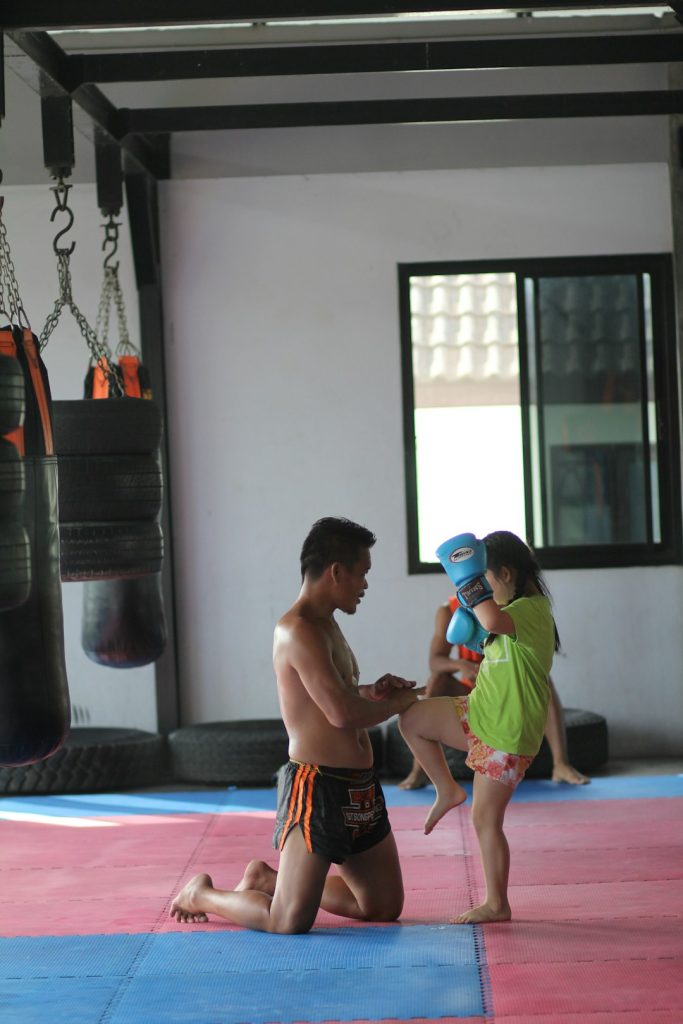
For those drawn to the “Art of Eight Limbs,” Muay Thai presents a thrilling combination of discipline, power, and technique. Whether your goal is self-defense, fitness, or professional fighting, a common question emerges early in any practitioner’s journey: How long does it take to master Muay Thai? The answer varies by individual but is shaped by multiple key factors including training frequency, personal commitment, physical aptitude, and access to quality coaching.
TL;DR: Mastering Muay Thai is a long-term commitment that typically takes 5–10 years of consistent and disciplined practice, depending on goals and intensity. While you can become competent in basics within 6–12 months, reaching mastery requires deeper technical refinement, ring experience, and mental fortitude. Progress depends on training frequency, quality of instruction, and personal dedication. True mastery is a lifelong pursuit, with plateaus and breakthroughs along the way.
What Does “Mastery” Mean in Muay Thai?
Before we evaluate timelines, it’s important to define what “mastery” actually means in the context of Muay Thai. Unlike learning a subject in a classroom, martial arts mastery involves:
- Technical precision in punches, kicks, elbows, and knees
- Understanding timing, distance, and rhythm
- Defensive capabilities like blocking, checking, and slipping
- Clinch techniques, including control, sweeps, and counterattacks
- Strategic thinking and fight IQ in sparring or competitive scenarios
- Mental toughness, endurance, and composure under pressure
In Thailand, where Muay Thai is a cultural cornerstone, even seasoned fighters with decades of experience often remain humble, recognizing that learning never truly ends.
Muay Thai Training Milestones
To better understand the duration of mastering Muay Thai, let’s break down the learning journey into broad stages:
1. Beginner (0–6 Months)
In this early stage, practitioners focus on building the fundamentals:
- Basic stance and footwork
- Simple punches (jab, cross) and kicks (teep, roundhouse)
- Introductory bag work and pad drills
- Cardio and conditioning
Training 2–3 times per week is enough to get a feel for the sport. Most beginners are still getting comfortable with striking and balancing their movements.
2. Intermediate (6 Months – 2 Years)
At this point, students become more fluid and confident with complex drills such as:
- Combos that mix all 8 limbs
- Sparring with control and timing
- Intro to clinching and sweeps
- Defensive strategies and counterattacks
Training 3–5 times per week is common. Some start participating in amateur smoker fights or exhibitions.
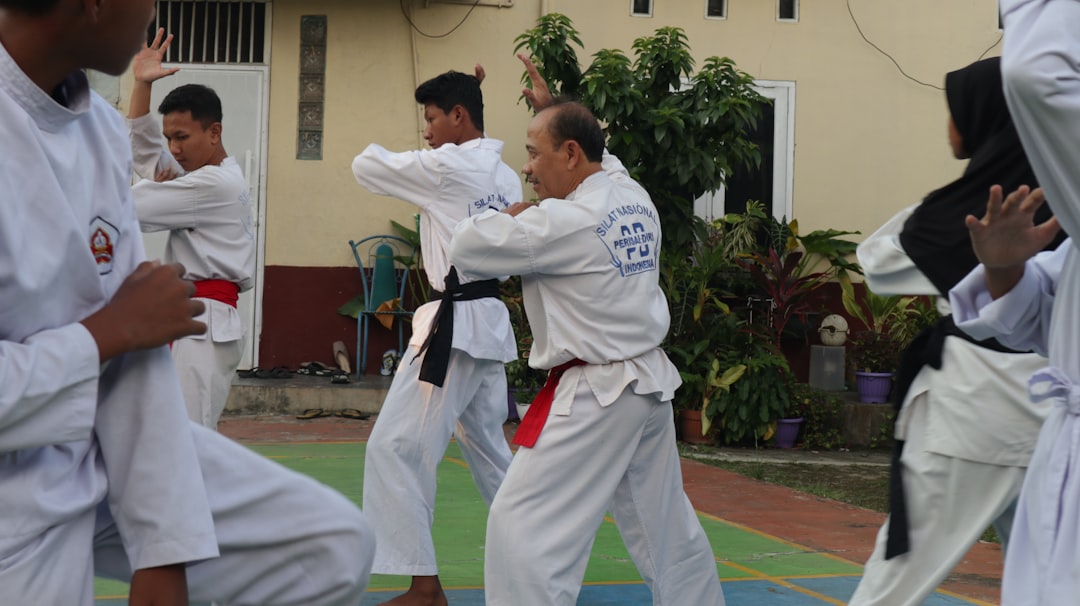
3. Advanced (2–5 Years)
Practitioners at this level exhibit excellent technique, high endurance, and meaningful ring awareness. Many undertake:
- Full-contact sparring with fight simulation
- Strength and conditioning plans
- Frequent pad rounds with experienced coaches
- Fight preparation cycles
Advanced students sometimes begin competing, depending on age and fitness. Their understanding of tactics, distance control, and clinch game is significantly more refined than beginners.
4. Mastery (5–10+ Years)
This level is characterized by experience, flow, and strategic mastery. Key traits usually include:
- High-level fight IQ
- Peer and coach recognition as an elite practitioner
- Advanced clinch transitions and counters
- Polished sparring with effective use of feints, traps, and reactions
While few outside of Thailand reach this level, it’s possible for dedicated foreign students to rise to world class with focused effort and possibly training at Thai camps.
Factors That Affect Your Learning Curve
Not all students progress at the same pace. Here are some elements that influence how quickly or slowly someone becomes proficient or masterful at Muay Thai:
1. Training Frequency
Consistency is crucial. Someone who trains 5–6 days a week will advance far more rapidly than someone who only hits the gym once or twice weekly. High frequencies lead to muscle memory and quicker reaction times.
2. Quality of Coaching
A seasoned coach can make a significant difference in a fighter’s growth. Good coaches provide:
- Immediate feedback and correction
- Fight strategy insights
- Custom training plans for development
If you train under former fighters or invest time at respected Thai gyms, your development can be substantially accelerated.
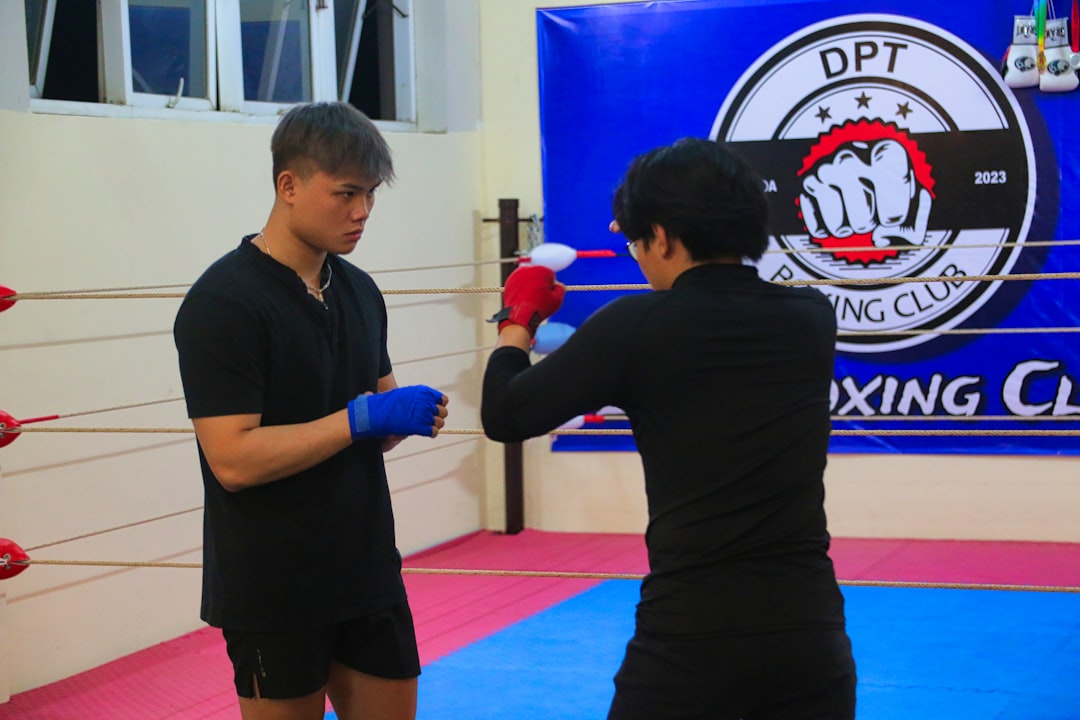
3. Athletic Background
Individuals with prior experience in martial arts, sports, or dance often pick up techniques faster because of body coordination, balance, and agility. Still, even a total novice can excel with enough dedication.
4. Mindset and Discipline
Mastery isn’t just physical—it’s psychological. The ability to be coachable, humble, and driven through frustrating plateaus is vital. Injuries, ego, or lack of motivation often slow down or halt progress entirely.
Comparing Western and Thai Paths to Mastery
In Thailand, children often begin training as young as 6–8 years old. They fight regularly and live around the sport. By their early 20s, many have already had over 100 fights—something that’s almost unheard of in the West.
In contrast, Western practitioners usually start later in life and juggle jobs, families, or school. This limits the number of hours they can dedicate each week. As a result, while developing strong technique is possible, achieving the same depth of experience takes longer without immersion.
Realistic Timelines for Different Goals
Depending on your ultimate objective, here’s a general outline of realistic timelines:
- Basic Fitness and Technique: 6–12 months with 2–3 sessions per week
- Amateur Competency: 2–3 years of focused training and some sparring
- Competitive Amateur Fighter: 3–5 years with a solid training camp
- Professional Fighter or Coach: 5–10+ years with consistent immersion
- Traditional Mastery: Often a lifelong pursuit, especially for instructors and champions
Conclusion: A Lifelong Journey
Muay Thai is not a quick skill to acquire—it demands years of physical conditioning, technique refinement, and mental growth. For those seriously committed, it offers not just mastery of a martial art, but mastery of self.
Whether your end goal is stepping into the ring, becoming a respected instructor, or simply being the best version of yourself, every round of pads, every drop of sweat, and every challenge faced in training contributes to that mastery.
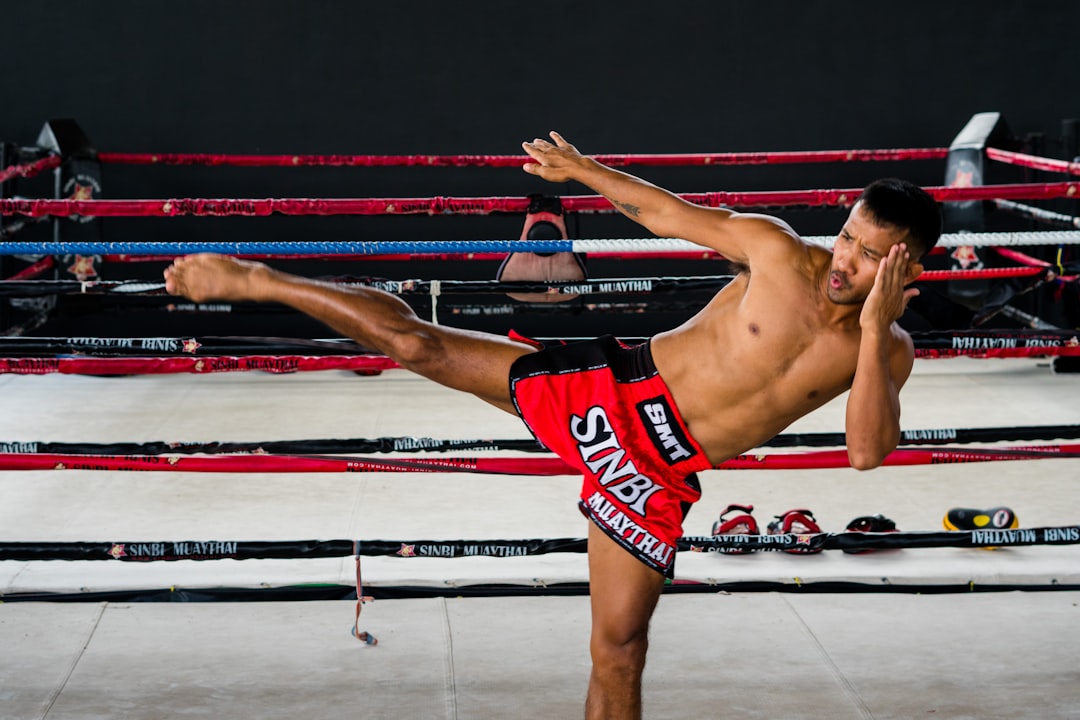
Progress may often feel slow, but as any experienced Nak Muay will tell you, the path is the goal.