
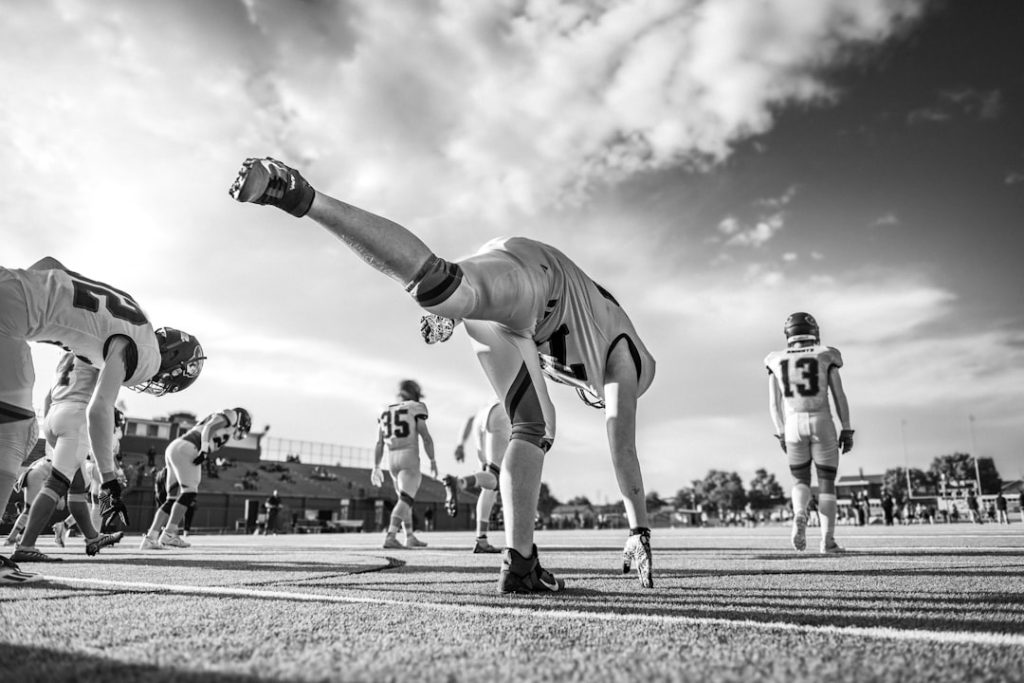
Flag football is a fast-paced, non-contact variation of American football that’s rapidly gaining popularity among players of all ages. From schoolyards to recreational leagues and competitive tournaments, this exciting sport offers the thrills of football without the intense physical impact, making it ideal for fun and fitness. However, like any organized sport, it comes with rules and structured game formats, leaving many to wonder: how long is a flag football game?
TLDR: How Long Is a Flag Football Game?
A standard flag football game typically lasts around 40 to 60 minutes, depending on the league or organization. Recreational leagues often have two 20-minute halves, with a short halftime break. Competitive and youth formats might vary slightly in time due to age group and skill level. While the playing time might be similar to other sports, fewer stoppages make the game flow faster and more continuously.
Understanding the Structure of a Flag Football Game
The duration of a flag football game can vary depending on the league, age group, and level of competition. However, most games follow a similar organizational structure that guides game duration and flow:
- Two Halves: Most games consist of two halves, typically lasting 20 to 25 minutes each.
- Running Clock: The clock usually runs continuously, except during timeouts, injuries, or a specified final-minute rule.
- Halftime Break: There is generally a 5-minute halftime break between the halves.
Common Time Formats
Here are some of the most common time formats across flag football leagues:
- Recreational or Youth Leagues: Two 20-minute halves with a running clock.
- High School Leagues: Two 22- or 25-minute halves, sometimes with the last two minutes of each half using a stop-clock format.
- Competitive or Adult Leagues: Two 25-minute halves with a running clock and special rules in the final minutes of each half.
The precise format depends on the organizing body, whether it’s the NFL Flag, local YMCA leagues, or independent tournament organizers.

What Happens During a Typical Game?
Understanding how the game is played provides better context for why flag football games take approximately 40 to 60 minutes. Here’s a general breakdown of the sequence:
- Kickoff or First Possession: Games usually start with a coin toss, followed by one team starting with the ball at their own 5- or 10-yard line.
- Offensive Drives: The offense usually has four downs to cross midfield, and four more downs to score after crossing it.
- Game Flow: With the running clock format, plays happen quickly, and stoppages are minimal, which helps maintain pace.
- End of Half/Game: The final 2 minutes of the half may involve a stop-clock format, depending on the rules, adding a layer of strategy much like tackle football.
The reduced downtime, compared to traditional contact football, creates a fast and engaging experience, appealing to players and spectators alike.
Why Game Duration Can Vary
Though most flag football games target a 40 to 60-minute length, several variables can cause time to fluctuate slightly:
- Level of Play: Youth and novice games might be shorter to manage player stamina and attention spans.
- Timeouts and Injuries: Interruptions like injuries or strategy timeouts can extend a game beyond the planned duration.
- Overtime Rules: Tournament games or playoffs may require overtime periods if scores are tied, which can add time.
- Stop-Clock Situations: Some leagues implement a stop-clock system in the final minutes of each half, especially during close matchups.
Timeouts: How Many and How Long?
Most leagues allot two to three timeouts per team per game, each lasting around 30 seconds to one minute. Strategic use of timeouts can not only influence game outcome but also slightly extend total game duration.
Halftime: How Long Is the Break?
Halftime durations are generally brief. Most leagues give teams a 3 to 5-minute halftime break to regroup. This short duration supports a tight game window, making flag football more accessible than other sports with lengthy intervals.

How Long Is a Flag Football Game in Tournaments?
Flag football tournaments often aim to fit multiple games in a single day, especially when played in round-robin or bracket formats. For this reason, tournament games may have slightly reduced time formats to keep schedules on track:
- Shorter Halves: Two 15-minute halves with a running clock is typical for tournaments.
- No Halftime or Short Halftime: Some formats eliminate halftime completely or keep it under 2 minutes.
- Running Clock Only: End-of-half stop-clock rules are rarely used during tournaments unless it’s a semifinal or final game.
Due to these optimizations, a tournament game might take as little as 35 minutes from start to finish. However, overtime rules still apply during elimination rounds, which means extra time may be needed.
Youth vs. Adult Flag Football Game Lengths
The difference in age groups often dictates game duration. Here’s how it typically breaks down:
Youth Leagues (Ages 6–13):
- Two 20-minute halves
- Running clock format
- 5-minute halftime
Teen & Adult Leagues (Ages 14+):
- Two 25-minute halves
- Running clock, with clock stoppage in final 2 minutes
- 3 to 5-minute halftime
For safety and attention spans, younger players keep games shorter and simpler. Older or more competitive players often have formats that cater to more strategy and extended play.
What About NFL Flag Football Games?
NFL FLAG is the official youth flag football league used across the United States and in many other countries. According to their official guidelines:
- Games consist of two 20-minute halves.
- There’s a 2 to 5-minute halftime.
- The final 2 minutes of the second half use a pro-style stop clock when certain game stoppages occur (e.g., incomplete passes, player out-of-bounds).
- Each team gets one 60-second timeout per half.
Clock management becomes crucial in the final stretch of NFL FLAG games, making these youth competitions surprisingly strategic and intense.
Conclusion
Flag football stands out as a versatile sport with a time-efficient structure that suits a variety of players and leagues. While most games run for 40 to 60 minutes, the specific rules governing time depend on the organizer, age group, and level of competition. By using running clocks, minimal interruptions, and short halftimes, flag football maximizes playing time and keeps players engaged from start to finish.
Whether you’re a parent planning your child’s schedule, a coach organizing weekend games, or simply a curious newcomer to the sport, understanding flag football’s game length can help you appreciate the planning and pace that define the game.