
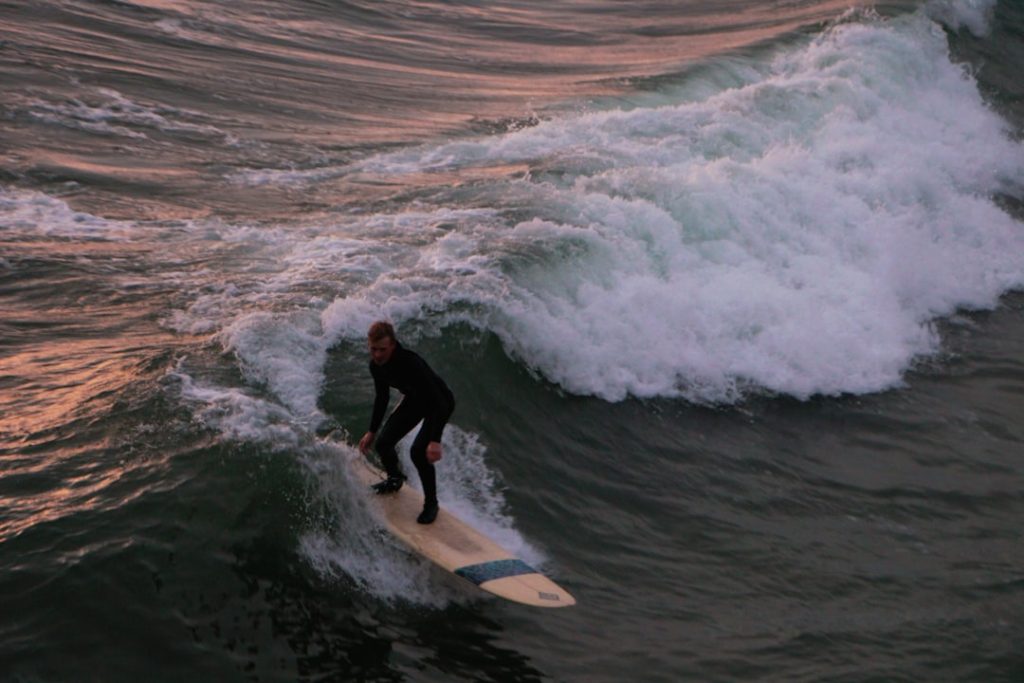
Wakesurfing has become one of the most popular water sports worldwide, combining the thrill of surfing with the accessibility of wakeboarding. Once a rider masters the basics, they often start looking to expand their skillset with tricks. One of the most iconic and satisfying wake surfing tricks is the 360 spin. While this move might look effortless when performed by seasoned surfers, it requires a solid understanding of wakesurfing fundamentals, balance, and perfect timing to execute successfully.
TL;DR: Learning how to do a 360 on a wakesurf board requires mastering basic surf stance, edge control, and rope work. It helps to start with surface spins and use the rope initially before progressing to rope-less spins. With correct posture, weight distribution, and consistent practice, this trick becomes a fluid and stylish element of any surfer’s arsenal. Safety and patience are essential throughout the learning process.
What Exactly Is a 360 on a Wakesurf Board?
A 360 refers to a full spin rotation on the surface of the water while riding the back wave of a boat. The rider completes a full circular movement on their board while maintaining balance and staying in the boat’s wake. A well-executed 360 gives the appearance that the surfer spins effortlessly on the water while maintaining their momentum and staying in the wave’s pocket.
Pre-Requisites Before Attempting a 360
Before diving into learning a 360, a wakesurfer must be proficient in the following foundational skills:
- Steady Wake Riding: Being able to ride the wave without constantly adjusting footing or position.
- Riding Rope-Less: Comfortable surfing without the aid of a tow rope.
- Carving and Transfers: Confidently maneuvering smoothly from heel to toe edge and transitioning sides on the wave.
Step-by-Step Breakdown: How to Do a 360
1. Set Up Properly
Start by holding the rope and riding the wave close to the wake. Ensure your knees are bent, back straight, and arms are relaxed. You should be centered on your board with a slight lean forward. This will give you the balance needed to initiate the spin.
2. Spot the Wake’s Pocket
You’ll want to begin your 360 while you’re centered in the “pocket” — the most powerful and stable part of the wave. It’s usually just a few feet behind the boat. Being in this sweet spot ensures you get the most drive and support as you spin.
3. Use Your Hips and Shoulders
To start the rotation, use your hips and shoulders to twist in the direction you want to spin. For most riders, that’s the side opposite their lead foot. Lead the rotation with your head – where your eyes go, your body follows. Avoid trying to force the spin with your arms only.
4. Maintain Low & Loose Posture
Stay low with your weight centered. You’re aiming for a smooth, gradual spin rather than a jerky turn. Keep your knees bent and arms relaxed to distribute body weight evenly, staying over the center of the board as it rotates.
5. Don’t Fight the Rope
Initially, you’ll use the rope to help guide your spin. As you turn, allow the rope to wrap slightly around your body. Once you’ve got the rotation going, you can toss the handle (when you’re ready for rope-less spins) or let the boat’s pull aid in completing the spin.
6. Complete the Spin and Re-Center
Once your board has made the full 360-degree turn, immediately refocus on stabilizing. Shift your weight forward again and regain the pocket of the wave. This ensures you continue riding smoothly after the maneuver.

Tips for Success
- Use the right board: Using a smaller, more maneuverable surf-style board helps make spins easier to control.
- Practice surface spins: Start with 180-degree spins before progressing to a full 360.
- Watch your head and shoulder movements: They lead everything else. Keep your vision steady in the direction of the spin.
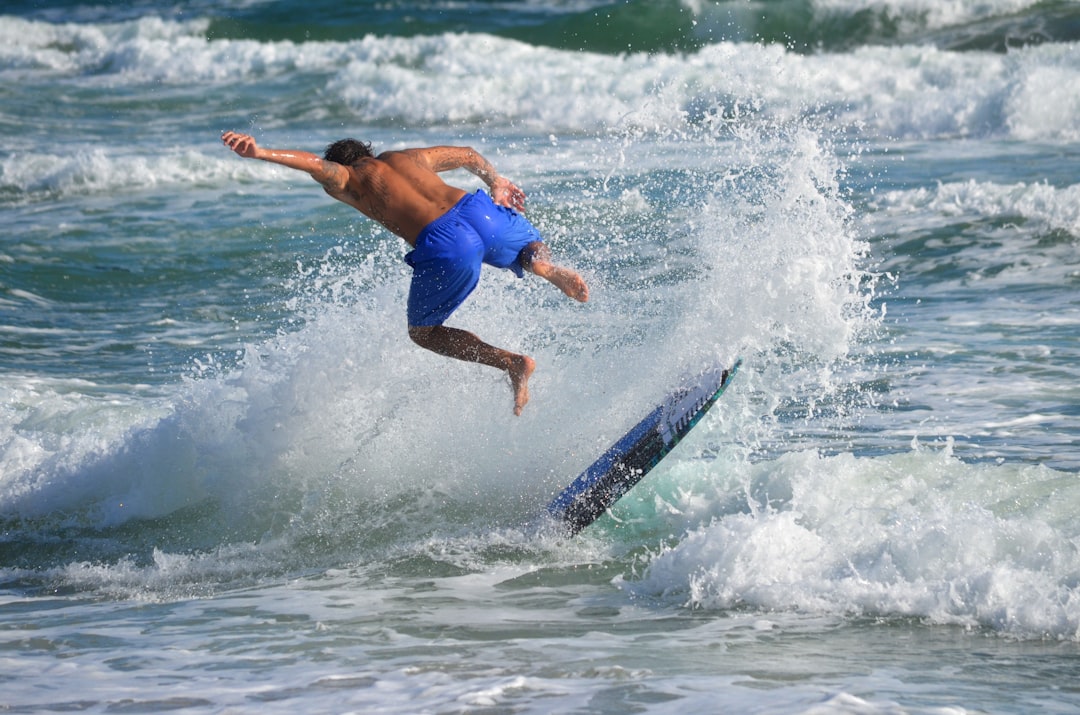
- Don’t rush: Attempts may end with wipeouts. Each spin gets you closer to mastery.
Common Mistakes and Fixes
- Leaning back too much: Causes stalling. Keep weight forward to stay in the wave.
- Using just arms: Spins should originate from the waist and torso, not just the arms tugging on the rope.
- Not enough speed: A solid, consistent wave and positioning in the pocket are vital for momentum.
- Spinning too fast: Over-rotation leads to falling. Keep it controlled and smooth, especially without the rope.
Going Rope-less
Once confident with the rope-assisted 360, the next step is performing it without holding the rope. This transition requires a perfect balance, timing, and knowing your wave dynamics intimately. Start by practicing letting go of the rope mid-spin when you’re certain you’ve used enough momentum from the wave.
This advanced version often separates beginner-intermediate riders from advanced wakesurfers and shows a deeper control over board and body dynamics.
Safety Considerations
Whenever practicing new tricks:
- Always wear a coast-guard approved life jacket.
- Have a spotter on the boat ensuring clear communication with the driver.
- Make sure the boat speed is consistent — around 10-12 MPH is typical for wakesurfing.
Additionally, use a wakesurf-specific rope with a smaller handle and short length to reduce the chance of entanglement or injury during spins.
Progression and Beyond
Mastering the 360 paves the way for even more spins — like double 360s or surface shuv-its. It also improves your board control, making other tricks like air reverses or lip slashes significantly easier. As riders gain confidence, they tend to develop their style, adding more flair and personality to each spin.
Remember, consistency is key. The more comfort a surfer gains with rotational movement, the more integrated the 360 will feel in the flow of their ride.
Frequently Asked Questions (FAQ)
How long does it take to learn a 360 on a wakesurf board?
It varies by individual, but with consistent practice and a solid foundational skillset, most can learn in a few sessions over a couple of weeks.
Should I learn the 360 with or without the rope first?
Learning with the rope is highly recommended. It provides stability and control during the initial phases of the spin. Once confident, you can attempt the maneuver without the rope.
Can a beginner attempt a 360?
It’s best to have intermediate-level control before attempting a 360. Beginners should first master balancing, carving, and surfing rope-less.
What’s the best board type for 360s?
Smaller, surf-style boards with sharper fins are generally better for spins due to their maneuverability and control.
Why do I keep falling backward when I try the 360?
This is usually from leaning too far back during the spin. Try keeping your weight more centered or slightly forward throughout the rotation.
Is there a difference between frontside and backside 360s?
Yes, frontside 360s spin in the direction the rider is naturally facing, while backside 360s involve spinning away from the front. Frontside is typically easier to learn first.
With practice, patience, and a few spills along the way, the 360 is a highly rewarding trick that takes any wakesurfer’s game to a new level of style and control.