
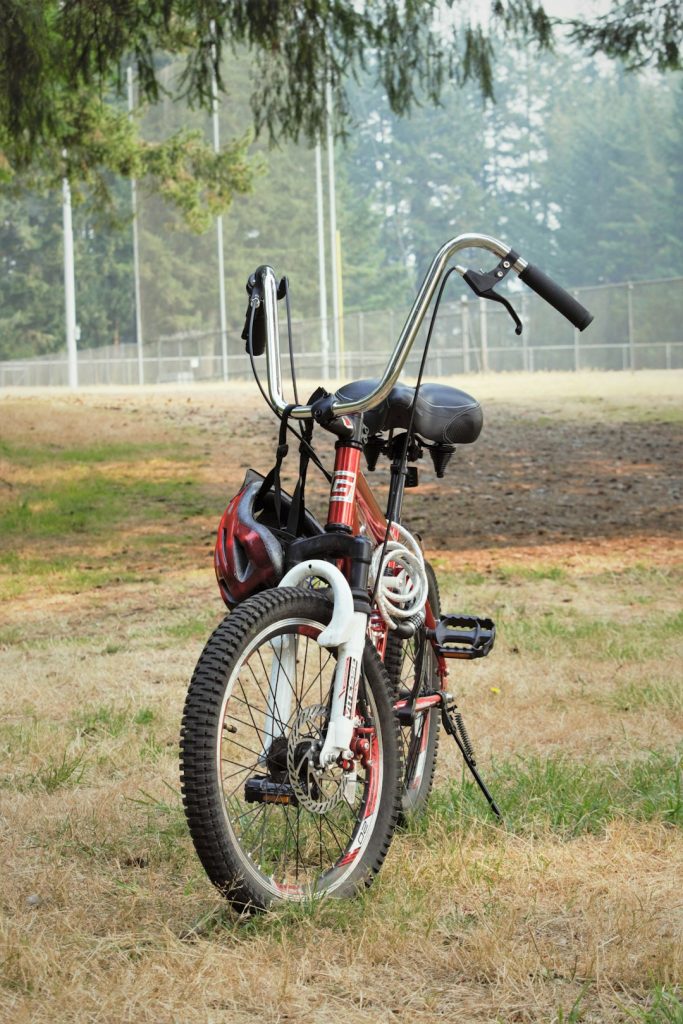
The 1980s were a wild and exciting time for BMX bikes. Riders launched off dirt jumps, raced on wild tracks, and pulled tricks at the local park. But one thing that really stood out was the look and feel of their bikes—especially the handlebars!
TL;DR (Too Long; Didn’t Read)
In the 1980s, BMX handlebars were much narrower than today’s designs. Most measured between 27 to 28 inches wide. That made them great for tricks, but less stable than wider bars used today. Riders loved those tall, narrow bars because they screamed style and attitude.
Back in the Day: What BMX Was Like
The BMX scene in the 80s was all about freedom, fun, and flair. You’d see kids jumping curbs, doing wheelies, and racing in dirt tracks with bikes that were as tough as tanks. Everything had a bold design—bright colors, chrome frames, and yes, unique handlebars.
Handlebars weren’t just parts. They were part of your style.
How Wide Were They?
Let’s get to the numbers. BMX handlebars in the 1980s generally measured:
- 27 inches wide – this was very common
- 28 inches – slightly wider for control
Compare that to today’s BMX bars, which can be 28 to 30 inches or more. So yes, the old-school bars were on the smaller side!
Why Did They Make Them Narrower?
The riding style influenced the bar width. Back then, BMX was focused heavily on freestyle tricks and racing. Narrow bars made it easier to:
- Spin the handlebars faster
- Do flips and barspins
- Ride through small spaces
- Look cool doing it!
Also, narrower bars meant your arms were in tighter. That gave some riders better control when launching off ramps or sprinting on race tracks.
Popular Handlebars from the 80s
Let’s look at some of the famous BMX bars riders used back then:
- CW Bars – Known for their crazy shapes and tall rise. Very stylish.
- Kuwahara Handlebars – Made famous by the movie E.T.
- Haro Bars – Popular with freestyle riders, sleek and functional.
- Skyway Tuff Bar – Simple design but iconic look. Often about 27 inches wide.
Each of these had a slight twist on the width, bend, and rise. But most stayed in that classic 27 to 28 inch range.
How the Shape Affected the Ride
It’s not just about width. The bars in the ’80s had a special feel because of their:
- Rise: This is how tall the bars were. Most had around a 7 to 9-inch rise. This made riders sit upright and gave more control during tricks.
- Sweep: This is the backward curve toward the rider’s body. A smooth sweep helped with comfort.
So, while they were narrower, their tall and curved design made them perfect for standing up and styling out!
Why Don’t We Use Narrow Bars Anymore?
As BMX evolved, so did the riding style. Modern BMX involves more jumps, big air, and longer ramps. That means today’s bars need to be:
- Wider – for better balance
- Stronger – to handle big landings
- Sleeker – for air control
Today, many BMX handlebars are up to 30 inches wide. That helps riders stay steady during huge tricks like tailwhips and 720s.
What It Felt Like to Ride 1980s Handlebars
If you ever get your hands on a vintage BMX, try it out. You’ll instantly notice how tight and playful it feels. Turning is quick. Popping up for a trick is easy. It’s like riding a bike with a built-in fun button!
But yes—it may feel odd if you’re used to the wide bars of today. Don’t worry, that’s just retro magic at work.
Can You Still Buy 80s-Style Handlebars?
Absolutely! There’s a huge market for retro BMX parts. Companies and fans love bringing back old designs. Some modern brands even make replicas of old handlebars with a few tweaks for safety.
You can find them at:
- Online vintage BMX shops
- Auctions and swap meets
- Collector websites
Just make sure they fit your bike setup. Old bikes used different sizes and clamp types.
Final Thoughts
In the 1980s, BMX handlebars weren’t measured just in inches. They were measured in attitude. With widths around 27–28 inches, they gave riders the control and confidence to ride wild and free.
They may not be the widest, but they sure made BMX history wide open with possibilities!
Quick Recap!
If you’re just scrolling, here’s a quick summary:
- 1980s BMX handlebars: Usually 27–28 inches wide
- Why narrow? Great for tricks, tight control, awesome style
- Popular models: CW, Haro, Kuwahara, Skyway
- Modern comparison: Today’s bars are wider (up to 30 inches)
- Still loved: Vintage bars are coming back in style
So next time you see someone cruising on old-school bars, give them a nod. They’re keeping BMX history alive—one chrome handlebar at a time.