

The NFL Pro Bowl has long been a subject of passionate debate among football fans. Once seen as a showcase for the league’s best athletes, it has undergone a significant transformation in recent years. With the rise of safety concerns and a noticeable decline in intensity, the game evolved—culminating in a dramatic format change in 2023 that left many asking: Is the Pro Bowl now a flag football game?
TL;DR
Yes, the NFL Pro Bowl has transitioned to a flag football format as of 2023, part of a broader rebranding into “The Pro Bowl Games.” This change aims to enhance player safety, increase entertainment value, and revive fan interest. It replaces the traditional tackle football game with multiple skill-based competitions and a non-contact flag football match. These new elements mark a shift in the NFL’s approach to showcasing its star talent.
The Evolution of the Pro Bowl
The Pro Bowl, played since 1951, was originally a full-contact game modeled after the standard rules of American football. Over time, however, players and fans began to criticize the lack of intensity and risk of injury in a game that held no consequence in the league’s standings. Increasingly, elite players skipped the event or participated half-heartedly.
By the late 2010s, the Pro Bowl had become more ceremonial than competitive. Defensive players held back, quarterbacks faced minimal pressure, and tackling was often symbolic. The NFL recognized the need for change, and in 2023, they made their boldest move yet: replacing the full-contact Pro Bowl with a flag football game, along with a week of skill-based contests.
What Are the Pro Bowl Games?
The traditional Pro Bowl was officially rebranded as The Pro Bowl Games starting in 2023. This new format emphasizes fun, skill, and entertainment, featuring a series of athletic challenges and capped off by a flag football game. The events include:
- Flag Football Game: A non-contact version of the sport where players wear flags instead of full pads and tackle with grabs rather than hits.
- Precision Passing: A quarterback accuracy competition featuring targets and time constraints.
- Best Catch: A contest where receivers perform acrobatic and creative catches judged by a panel or fan vote.
- Gridiron Gauntlet: A team relay race involving agility drills and strength tests.
- Dodgeball: Yes, literal dodgeball—a fun nod to playground antics that players and fans genuinely enjoy.
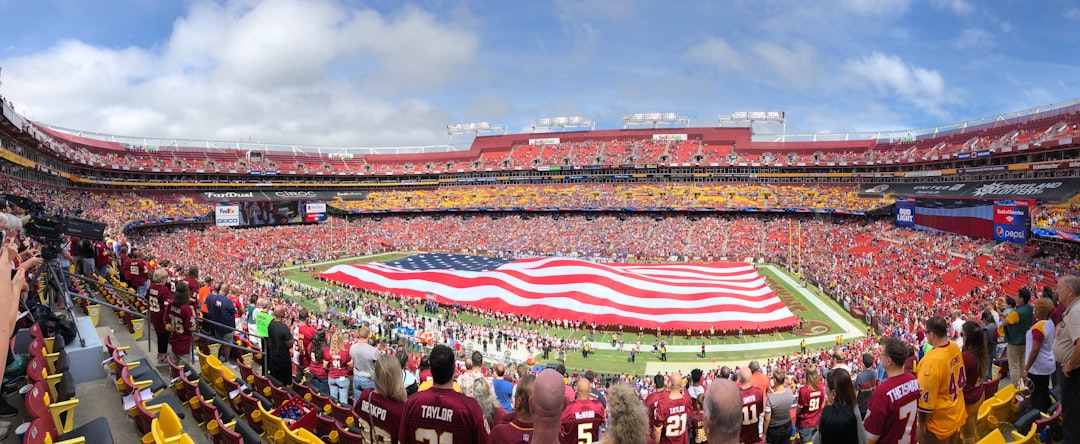
This approach reflects a dramatic shift from a traditional sports matchup to an all-star celebration, showcasing the personalities and talents of athletes rather than pure competition.
Why the Change? The Reasons Behind It
At its core, the Pro Bowl’s shift to flag football and added events stems from several converging concerns and opportunities:
1. Player Safety
The NFL faces increasing scrutiny over player health, particularly regarding head injuries. A midseason exhibition game that adds risk to players’ bodies—especially for stars heading into playoff runs—is hard to justify. Flag football eliminates tackling and the associated injury risk, making participation safer and more appealing.
2. Fan Experience
The previous Pro Bowl format delivered diminishing returns in terms of entertainment. Viewers complained of a lack of effort and excitement. By shifting the focus to mini-games, trick catches, and personality-driven content, the NFL aims to capture a broader audience—including younger fans.
3. Global Appeal of Flag Football
The NFL has expressed interest in making football an Olympic sport, and flag football is a possible entry point. By promoting a non-contact version of the game on a high-visibility stage like the Pro Bowl, the league is helping to grow the sport internationally and among new demographics, including women and youth.
4. Player Engagement
Players are more likely to engage meaningfully in events that don’t put their health at risk. The new format also gives athletes the opportunity to show their personalities in less conventional ways—encouraging creativity, humor, and even social media moments that go viral.
What Is Flag Football Anyway?
Flag football is a variant of traditional American football where, instead of tackling opponents to stop play, players remove a flag from the ball-carrier’s belt. It’s played with fewer players—usually five to seven per side—and without helmets or shoulder pads.
The NFL’s version of the Pro Bowl flag football game aims to retain the core strategies and excitement of football while removing violent collisions. You’ll still see passing plays, route trees, and quarterback leadership—but with an emphasis on finesse rather than force.

This creates a more open, fast-paced version of football suitable for the casual viewer and more diverse participation. That makes it not just safer, but potentially more fun to watch.
The Reception: Mixed, but Trending Positive
The reaction to the change has been mixed—some fans miss the traditional format, while others see the new format as a refreshing departure. The 2023 Pro Bowl Games drew considerable media attention and featured enthusiastic participation from top stars like Peyton Manning (who coached) and Eli Manning (his brother and rival coach).
Social media reaction skewed positive, with many praising the imagination and engagement delivered by dodgeball battles and one-handed catches. Others long for the aggressive plays of yesteryear, feeling that the event has become more of a talent show than a football game.
Benefits and Drawbacks
Pros:
- Reduced Injury Risk: Players don’t have to worry about getting hurt before the playoffs or offseason.
- Increased Creativity: New events allow players to show off different skills and personalities.
- Family-Friendly Content: Easier for kids and international audiences to engage with.
- Modern Entertainment Value: Designed to go viral and generate buzz across social media platforms.
Cons:
- Loss of Competitive Edge: Fans who love hard-hitting football may find the new format underwhelming.
- Identity Confusion: Some aren’t sure whether it’s still really football at all.
- Limited Appeal to Traditional Fans: Longtime viewers may tune out due to format fatigue or nostalgia.
What the Future Holds
The NFL has signaled that it’s committed to evolving the Pro Bowl Games. With the international growth of flag football and the desire to include it in the 2028 Olympics in Los Angeles, don’t be surprised if the NFL continues investing in this format and even expands it worldwide.
Some teams and conferences could be represented in future international Pro Bowl exhibitions. Imagine flag football games held in London, Tokyo, or Mexico City—allowing fans worldwide to experience the NFL up close but in a format that doesn’t rely on high-impact collisions.
Also, expect more interactive fan voting, digital engagements, and integration with streaming platforms. The new Pro Bowl isn’t just about football—it’s a brand experience that aims to entertain across channels and demographics.
Final Thoughts
So, is the Pro Bowl now a flag football game? Yes—but it’s also much more than that. It’s a reinvention focused on player health, fan engagement, and a reimagining of what football can look like in the modern age. Whether you view it as a welcome innovation or a departure from tradition, the Pro Bowl’s evolution reflects the NFL’s willingness to adapt and experiment.
For better or worse, the Pro Bowl is no longer just a game—it’s a full-fledged celebration of football culture, one without helmets, where flags (and fun) fly high.