

As urban populations surge and infrastructure needs evolve, cities around the world are looking toward technology to solve complex challenges. To navigate this dynamic environment, one company at the forefront of innovation is Nvidia. Known widely for its graphics processing technology, Nvidia is also making profound advancements in artificial intelligence and smart city solutions through its platform, Metropolis.
TLDR: Nvidia Metropolis is a comprehensive AI-powered platform aimed at helping cities become safer, cleaner, and more efficient. It uses real-time video analytics, deep learning, and edge computing to deliver actionable insights for smart city applications. From traffic management to environmental monitoring, Metropolis integrates seamlessly across industries to drive data-driven urbanization. Nvidia is working with a global ecosystem of partners to enable the cities of tomorrow, today.
What Is Nvidia Metropolis?
Metropolis is Nvidia’s intelligent video analytics platform designed to empower smart city initiatives by applying artificial intelligence to real-world data sources—mainly video captured from surveillance cameras and IoT devices. By leveraging state-of-the-art GPU acceleration and edge AI computing, Metropolis enables quick and scalable analysis of visual data, converting raw feeds into valuable insights.
Nvidia Metropolis aims to revolutionize how city systems operate by focusing on:
- Public safety: Enhancing security through real-time surveillance and anomaly detection.
- Traffic management: Minimizing congestion and improving transit efficiency through predictive analytics.
- Environmental monitoring: Using AI to track pollution levels and optimize resource usage.
- Retail analytics: Helping businesses and municipalities understand customer behavior and optimize services.
The Technology Behind Metropolis
At the core of Metropolis is Nvidia’s AI stack, powered by its robust GPUs and software frameworks. The architecture includes:
- Nvidia Jetson: A series of edge AI devices that bring computation to the source of data — reducing latency and bandwidth use.
- DeepStream SDK: A scalable analytics toolkit that supports multiple data types and is optimized for video processing.
- Triton Inference Server: A platform that streamlines deployment of AI models across GPUs and CPUs.
- NVIDIA TensorRT: A deep learning inference optimizer that boosts performance and efficiency of AI-driven tasks.
Together, these components contribute to an ecosystem that can interpret camera feeds in real time, detect and analyze objects, classify events, and provide automated responses or alerts.
Use Cases of Nvidia Metropolis in Smart Cities
1. Intelligent Traffic and Transportation Systems
One of the most impactful applications of Metropolis is in the field of traffic and transportation. Using video feeds from roadside cameras, Metropolis can detect high-congestion areas, illegal parking, and traffic violations in real-time. It also offers predictive analytics, helping traffic authorities prevent bottlenecks before they occur.
Some key benefits include:
- Dynamic traffic signaling based on real-time vehicle flow.
- AI-based accident detection and automatic incident reporting.
- Integration with autonomous vehicle infrastructure for route optimization.
2. Enhanced Public Safety and Surveillance
AI has become an essential tool in proactive security systems. With Metropolis, cities can deploy AI-driven surveillance that detects suspicious behavior, monitors crowd movement, and identifies lost persons or theft in real time. It improves the efficiency of law enforcement agencies by automating routine monitoring tasks, allowing personnel to focus on more critical interventions.
Key technologies used include behavior analytics, facial recognition, and license plate recognition systems — all processed in real-time at the edge.
3. Environmental and Infrastructure Monitoring
Through Metropolis, city administrators can monitor environmental parameters such as air quality, noise levels, and energy consumption. Using vision AI and connected sensors, municipal services can identify issues like overflowing waste bins, streetlight failures, or water leaks faster and with greater accuracy than traditional methods.
4. Smart Retail and Urban Analytics
Beyond public administration, Metropolis serves private sector needs, especially in retail and commercial real estate. By analyzing visitor movement and behavior in real time, businesses can improve layout design, service deployment, and promotional targeting.
This also helps city planners create more intuitive and community-friendly urban layouts by understanding how public spaces are used by pedestrians and residents.
Global Partnerships and Adoption
Nvidia is collaborating with a global ecosystem of partners — from software developers and hardware vendors to governments and universities — to bring Metropolis-powered smarts to cities around the world. According to Nvidia, more than 100 partners are actively building AI-powered solutions on the platform.
Some notable deployments include:
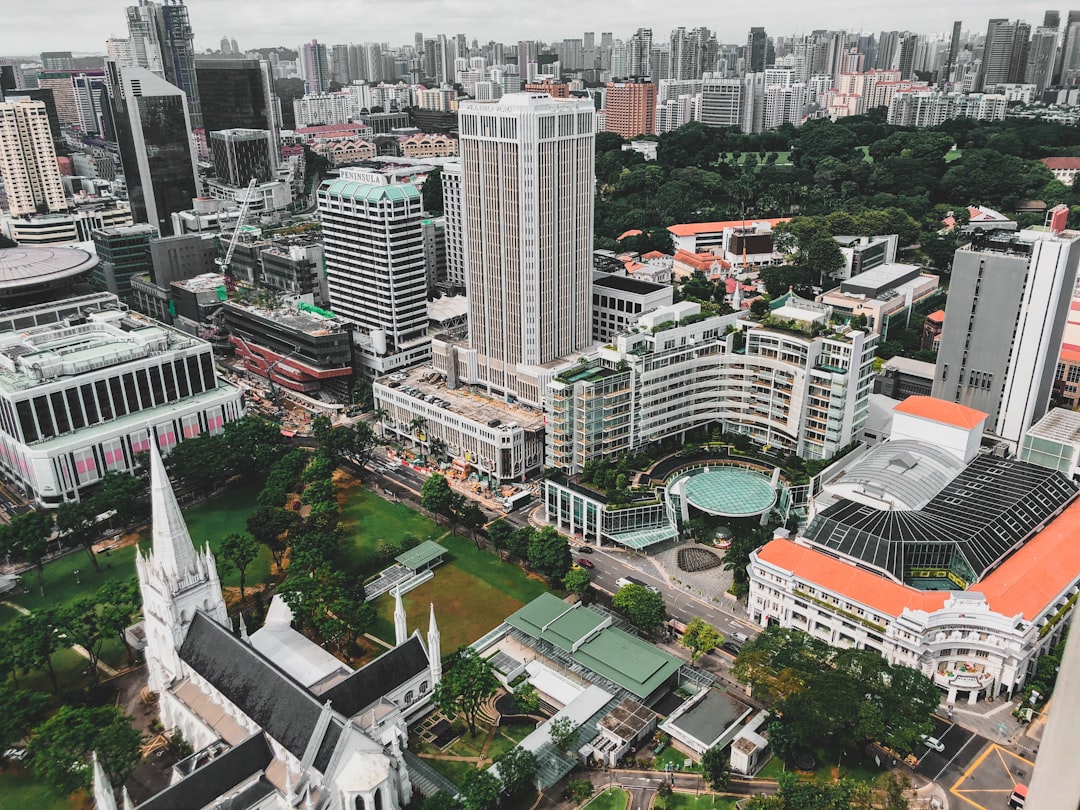
- Singapore: Using smart traffic systems powered by Nvidia AI to seamlessly manage a dense road network.
- Dublin, Ireland: Employing Metropolis for air quality monitoring and public safety surveillance.
- Dallas, Texas: Partnering with local agencies to integrate AI video analytics into city infrastructure management systems.
Nvidia also hosts the Metropolis Partner Program, which provides certifications, marketing support, and technical resources to help companies build reliable AI systems for cities.
Scalability and Ethical Considerations
One of the profound advantages of Metropolis is its scalability. Whether a small town or a megacity, municipalities can implement AI capabilities at a level that meets their specific needs — without needing to redevelop existing infrastructure. Edge computing devices like the Jetson series allow cities to process data locally, addressing challenges related to bandwidth and privacy.
However, with great power comes great responsibility. The integration of AI into public systems raises ethical questions around privacy, bias, and surveillance. Nvidia addresses this by recommending transparent AI models, rigorous testing, and compliance with international data protection standards such as GDPR.
Best practices Nvidia promotes include:
- Data anonymization and secure storage solutions.
- Auditable and explainable AI models.
- Stakeholder engagement, including local governments and community organizations.
The Future of Urban Intelligence
The trajectory of Nvidia Metropolis suggests a future where real-time, data-driven decision-making becomes integral to how cities are planned and managed. As AI continues to evolve and 5G networks expand, the fusion of connectivity and computation will unlock even more advanced and autonomous city systems.
Looking forward, we could witness the emergence of AI-powered emergency response systems, autonomous traffic councils, and sustainable urban designs generated and managed by neural networks.
Moreover, Nvidia’s continuous updates to its AI software frameworks and hardware accelerators guarantee that the Metropolis platform remains at the cutting edge of smart city evolution.
Conclusion
Nvidia Metropolis is not just a technological innovation — it’s a vision for the urban future. By equipping cities with the ability to analyze vast amounts of video and sensory data in real time, Metropolis paves the way for safer, more efficient, and more livable metropolitan environments. Through strong partnerships, ethical frameworks, and scalable technology, Nvidia is helping to turn the promise of smart cities into a global reality.
As urban challenges become more complex, solutions like Metropolis are essential for transforming cities into intelligent ecosystems that can adapt, evolve, and thrive.