

Sófbol is a fast-paced, highly strategic bat-and-ball sport that welcomes players of all ages and skill levels. While it shares similarities with baseball, sófbol has its own rules, field dimensions, and style of play that make it unique and exciting. For new players, understanding the fundamentals is essential not only for performance, but also for safety and enjoyment. This guide provides a complete and structured introduction to sófbol, covering rules, equipment, positions, gameplay, and key strategies.
TLDR: Sófbol is a team sport similar to baseball, played with a larger ball on a smaller field. Each team alternates between offense and defense, aiming to score runs by hitting the ball and circling four bases. The game emphasizes teamwork, quick reflexes, and strategic thinking. Mastering basic rules, positions, and techniques will help any beginner build confidence and skill.
What Is Sófbol?
Sófbol is played between two teams of nine or ten players, depending on the specific format. The objective is simple: score more runs than the opposing team by the end of the game. A run is scored when a player successfully hits the ball and touches all four bases—first, second, third, and home plate—in order.
Unlike baseball, sófbol typically uses a larger ball and is played on a smaller field. The pitching style can vary depending on the format, but underhand pitching is most common. Games usually last seven innings, with each inning divided into two halves: one team bats while the other plays defense, and then they switch.

The Field and Basic Layout
The sófbol field is divided into two main sections:
- Infield – The diamond-shaped area containing the four bases.
- Outfield – The grassy area beyond the infield.
The four bases are arranged in a square, spaced evenly apart. The distance between bases is shorter than in baseball, which results in faster-paced play and quicker defensive reactions.
Key components of the field include:
- Pitcher’s mound (or circle) – Where the pitcher delivers the ball.
- Home plate – Where the batter stands and where runs are scored.
- Foul lines – Mark the boundaries of fair territory.
Understanding field dimensions helps players anticipate where the ball may travel and how to position themselves defensively.
Essential Equipment
Proper equipment is necessary for both performance and safety. Beginners should become familiar with the following items:
- Bat – Usually made of aluminum, composite, or wood. The length and weight should match the player’s height and strength.
- Ball – Larger and softer than a baseball, designed for controlled play.
- Glove – Worn by defensive players to catch and field the ball.
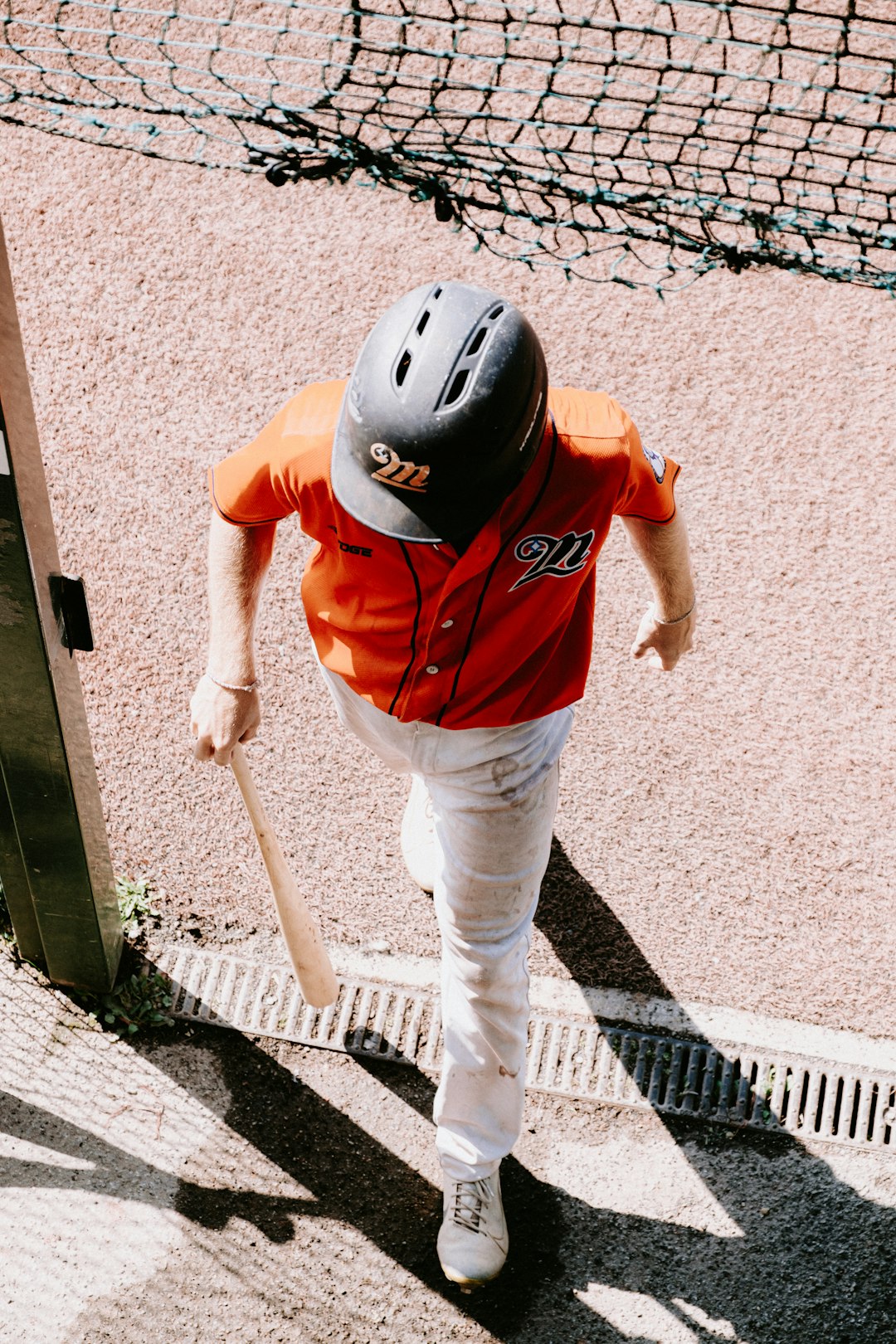
- Helmet – Worn by batters and base runners for protection.
- Cleats – Provide traction on dirt and grass surfaces.
- Protective gear – Catchers, in particular, wear masks, chest protectors, and shin guards.
Using the correct equipment reduces injury risk and ensures conformity with league regulations.
Player Positions and Responsibilities
Each defensive player has a specific role. Understanding these roles is central to team coordination.
1. Pitcher
The pitcher stands in the center of the infield and initiates every play. Their primary objective is to throw strikes and prevent the batter from making solid contact.
2. Catcher
Positioned behind home plate, the catcher receives pitches and coordinates defensive plays. The catcher must be alert and communicative.
3. Infielders
- First Baseman – Covers first base and receives throws.
- Second Baseman – Covers ground between first and second base.
- Shortstop – A key defensive player between second and third base.
- Third Baseman – Guards third base and reacts to hard-hit balls.
4. Outfielders
- Left Fielder
- Center Fielder
- Right Fielder
Outfielders cover large areas and must track fly balls, prevent extra-base hits, and throw accurately back to the infield.
How the Game Is Played
A sófbol game consists of seven innings. During each inning:
- The offensive team attempts to score runs by hitting the ball and advancing around the bases.
- The defensive team attempts to record three outs to end the half-inning.
Ways a batter can reach base:
- Hitting a fair ball and reaching base safely
- Receiving four balls (a walk)
- Being hit by a pitch (under regulated circumstances)
Ways a defensive team records an out:
- Catching a fly ball before it hits the ground
- Tagging a runner with the ball
- Forcing a runner out at a base
- Striking out the batter with three strikes
This alternation between offense and defense continues until seven innings are completed. The team with the most runs wins. If the score is tied, extra innings may be played.
Basic Rules Every Beginner Should Know
Although regulations may vary slightly between leagues, the following core rules apply broadly:
- A batter is out after three strikes.
- A walk occurs after four balls.
- Fair balls must land within the foul lines.
- Runners must touch bases in order and cannot skip ahead.
- Sliding into bases is allowed to avoid tags.
It is also important to understand the difference between force plays and tag plays. In a force play, a runner must advance because the batter becomes a runner. In a tag play, the defensive player must physically tag the runner with the ball.
Batting Fundamentals
Successful batting begins with proper stance and focus. Beginners should prioritize control over power.
Key batting principles:
- Keep feet shoulder-width apart.
- Hold the bat firmly but without tension.
- Focus on the ball from the pitcher’s hand to the plate.
- Rotate hips and shoulders during the swing.
- Follow through completely.
Timing is critical. New players often struggle with pitch speed perception, but practice significantly improves reaction time and confidence.

Pitching Basics
Pitching in sófbol commonly involves an underhand motion. Accuracy is often more important than speed, especially for beginners.
Fundamental components of pitching:
- Proper grip on the ball
- Balanced stance before windup
- Smooth arm rotation
- Controlled release
- Consistent follow-through
Different pitch variations—such as changeups or curveballs—can be introduced gradually once mechanics are reliable.
Defensive Strategy and Teamwork
Sófbol is highly dependent on communication and collective strategy. Defensive success requires players to anticipate plays before they happen.
Key defensive concepts:
- Always know the number of outs.
- Be aware of base runners’ positions.
- Communicate clearly on fly balls.
- Throw to the lead runner whenever possible.
Backing up plays is another essential habit. For example, when a throw is made to a base, another player should position themselves to retrieve the ball if it is missed. This reduces errors and prevents extra bases.
Common Beginner Mistakes
New players often make predictable errors. Recognizing them early accelerates development.
- Over-swinging at the plate – Leading to poor contact.
- Throwing without setting feet – Reducing accuracy.
- Not communicating in the field – Causing collisions or missed plays.
- Watching the ball instead of running hard – Slowing base advancement.
Consistent practice and constructive feedback help eliminate these issues over time.
Physical and Mental Preparation
Sófbol requires both physical conditioning and mental focus. Agility, hand-eye coordination, and sprint speed are especially important. Warm-up routines, including stretching and light throwing, reduce injury risk.
Mental discipline is equally critical. Players must remain composed after mistakes and adapt to changing game situations. Confidence grows with repetition and experience.
Why Sófbol Is an Excellent Sport for Beginners
Sófbol provides an ideal introduction to team sports. The smaller field and larger ball can make defensive plays more accessible to newcomers. Additionally:
- It fosters teamwork and communication.
- It builds coordination and reaction speed.
- It promotes strategic thinking.
- It accommodates various fitness and skill levels.
Because sófbol emphasizes both individual skills and collective performance, it teaches accountability and cooperation simultaneously.
Conclusion
Sófbol is a dynamic, strategic, and rewarding sport that combines physical skill with mental awareness. For new players, mastering the fundamentals—rules, positions, equipment, and basic techniques—lays the groundwork for long-term success. By focusing on teamwork, consistent practice, and disciplined play, beginners can quickly develop confidence and competence.
Whether you are stepping onto the field for the first time or considering joining a local league, understanding the structure and strategy of sófbol ensures a smoother and more enjoyable experience. With preparation and commitment, any new player can become a valuable contributor to their team.