
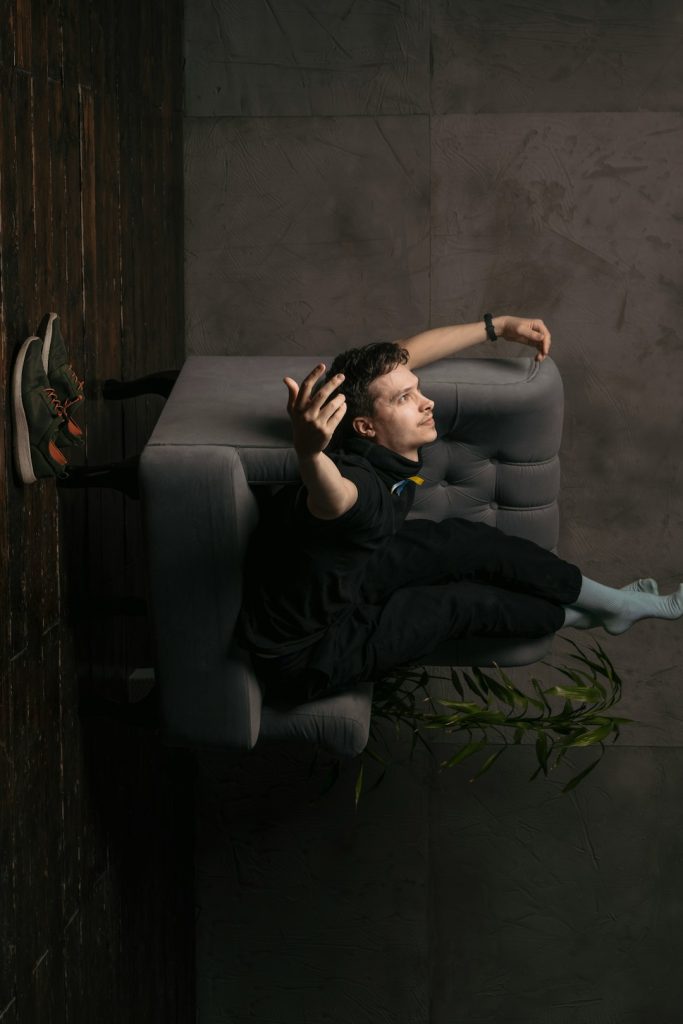
After a hard workout, your body talks to you. Muscles ache. Legs feel heavy. Energy drops. That’s your cue to focus on recovery. Recovery is not lazy time. It is *smart training*. When you recover well, you get stronger, faster, and more resilient.
TLDR: Sports recovery helps your body repair and grow after exercise. It includes simple tools like rest, sleep, stretching, and good food, plus advanced methods like compression and cryotherapy. The best plan mixes basic habits with a few targeted techniques. Recover well, and you will train better and avoid injuries.
Let’s break it all down. From the simplest method—rest—to the icy world of cryotherapy.
Why Recovery Matters
Training breaks your body down. Tiny muscle fibers tear. Energy stores empty. Your nervous system gets tired. This sounds scary. But it’s normal.
Your body rebuilds during recovery. It repairs fibers. It refuels muscles. It strengthens weak spots. That is how progress happens.
Without recovery, you risk:
- Injury
- Burnout
- Poor performance
- Constant soreness
- Low motivation
Recovery is not optional. It’s part of training.
1. Rest: The Most Powerful Tool
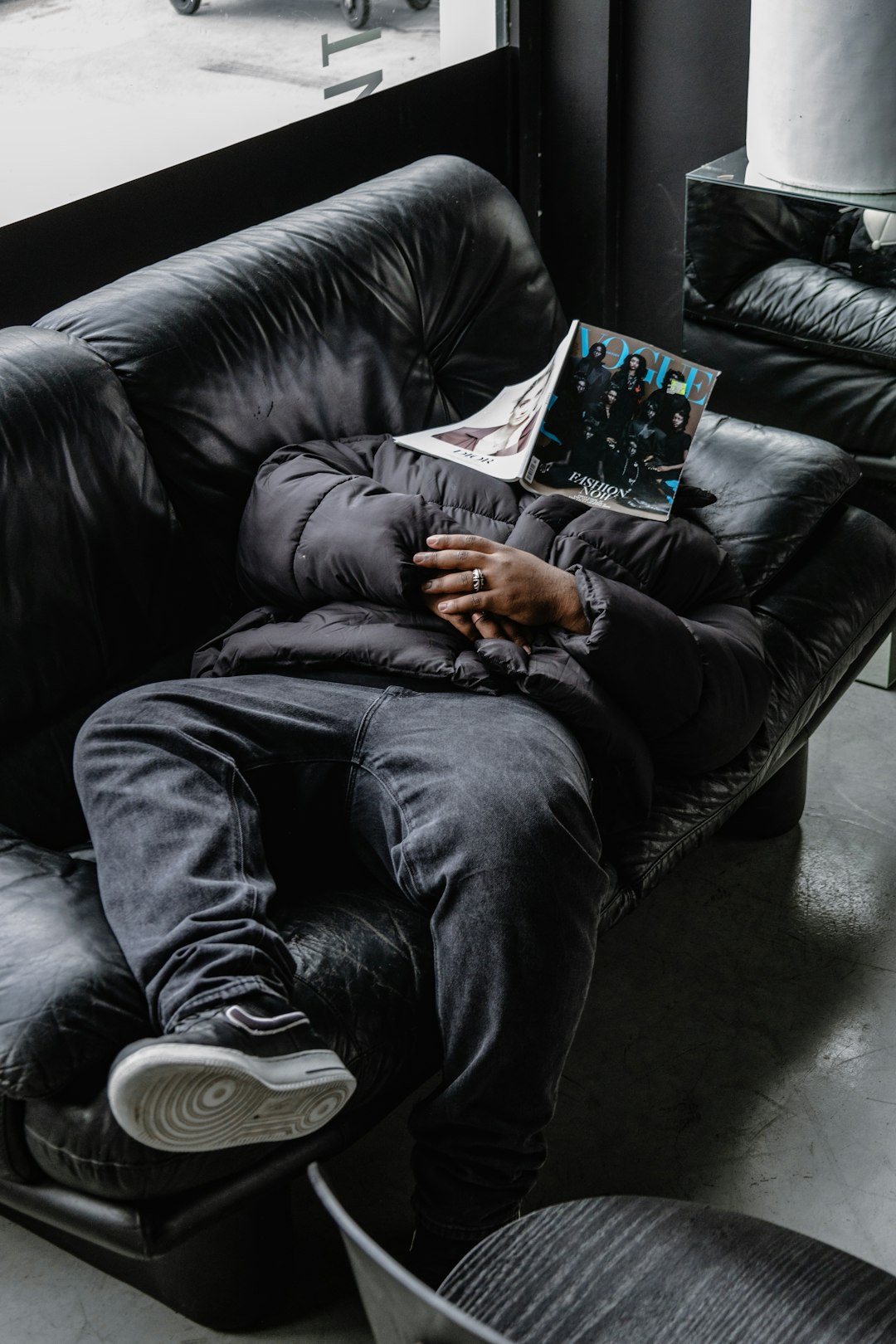
Let’s start simple. Rest means taking time off from intense activity. No heavy lifting. No sprint intervals. Just let your body breathe.
There are two types:
- Passive rest: Doing very little. Think couch, book, nap.
- Active rest: Light movement like walking or slow cycling.
Both help. Active rest improves blood flow. That brings oxygen and nutrients to sore muscles. Passive rest allows full nervous system recovery.
Pro tip: Schedule at least one full rest day per week.
2. Sleep: The Secret Superpower
If rest is king, sleep is queen.
Most muscle repair happens during deep sleep. Your body releases growth hormone. Cells rebuild. Your brain resets.
Aim for:
- 7–9 hours per night
- A dark, cool room
- No screens 30–60 minutes before bed
Short on sleep? Your reaction time slows. Strength drops. Injury risk rises.
Sleep is free. Use it.
3. Nutrition: Fuel the Rebuild
You cannot repair muscle from nothing. Food supplies the building blocks.
Focus on three key nutrients:
- Protein: Repairs muscle tissue
- Carbohydrates: Refill glycogen (energy stores)
- Healthy fats: Support hormone production
After a workout, try a simple combo:
- Grilled chicken and rice
- Greek yogurt with fruit
- Protein smoothie with banana
Also drink water. Even mild dehydration slows recovery.
Simple rule: eat real food. Eat enough. Eat soon after training.
4. Stretching and Mobility Work
Stretching keeps your muscles flexible. Mobility work improves how your joints move.
They are not magic soreness cures. But they help long-term movement quality.
Two main types:
- Static stretching: Hold a stretch for 20–30 seconds
- Dynamic mobility: Controlled movements through range of motion
Dynamic movements are great before workouts. Static stretching works well after.
Think of mobility like oiling your joints. Smooth movement means less strain.
5. Foam Rolling and Self-Massage
Foam rollers look simple. They hurt a little. But they can help.
This technique is called self-myofascial release. That’s a fancy term for applying pressure to tight tissues.
Benefits may include:
- Improved blood flow
- Reduced muscle tightness
- Better flexibility
Roll slowly. Pause on tender spots. Breathe deeply.
You can also use massage balls or massage guns.
6. Compression Gear
Compression sleeves and tights are popular with runners and athletes.
They apply gentle pressure to muscles. This may:
- Improve circulation
- Reduce swelling
- Decrease muscle vibration during activity
Some athletes wear them during workouts. Others use them after.
Do they work? Research is mixed. But many athletes report feeling less sore.
If they feel good and fit well, they can be a helpful addition.
7. Ice Baths and Cold Therapy
Now we enter the cold zone.
Ice baths involve sitting in cold water, usually 10–15°C (50–59°F), for 5–15 minutes.
Cold exposure may help:
- Reduce inflammation
- Limit swelling
- Numb soreness
It works by constricting blood vessels. When you warm up again, fresh blood rushes back.
Be warned: it feels intense. Start slow. Try shorter durations first.
Image not found in postmeta8. Cryotherapy: Extreme Cold
Cryotherapy is like an ice bath’s futuristic cousin.
You stand in a chamber. It blasts extremely cold air. Temperatures can drop below -100°C (-148°F). But only for 2–4 minutes.
Advocates say it can:
- Reduce inflammation
- Improve mood
- Decrease muscle soreness
Science is still evolving. Some studies show benefits similar to ice baths.
It is fast. It is dramatic. It is not cheap.
If you are a professional athlete, it may fit your plan. For most people, simpler methods work just fine.
Comparison Chart: Popular Recovery Tools
| Method | Cost | Best For | Ease of Use |
|---|---|---|---|
| Rest | Free | Overall recovery | Very easy |
| Sleep | Free | Muscle repair, hormones | Easy (with routine) |
| Nutrition | Moderate | Muscle rebuild, energy | Easy with planning |
| Foam Rolling | Low | Tight muscles | Easy |
| Compression Gear | Moderate | Mild soreness | Very easy |
| Ice Baths | Low to moderate | Inflammation, swelling | Uncomfortable |
| Cryotherapy | High | Quick cold exposure | Very easy (short sessions) |
How to Build Your Recovery Plan
You do not need everything.
Start with the basics:
- Sleep 7–9 hours
- Eat enough protein
- Hydrate daily
- Take one full rest day per week
Then layer in:
- Foam rolling 2–3 times weekly
- Light active recovery sessions
- Occasional cold exposure after very intense workouts
Listen to your body. If soreness lasts more than a few days, you may need more rest. If you feel fresh and strong, your balance is working.
Recovery Is Personal
There is no perfect formula.
Elite marathoners, weightlifters, and weekend warriors all recover differently. Age matters. Stress matters. Diet matters.
Pay attention to:
- Energy levels
- Sleep quality
- Mood
- Performance trends
If performance improves, your recovery plan works. If you feel constantly tired, adjust.
Final Thoughts
Hard training gets the spotlight. Recovery does the quiet work.
You build strength when you rest. You grow during sleep. You repair through nutrition. Fancy tools like cryotherapy can help. But they are extras, not foundations.
Think of recovery as charging your battery. Train hard. Recharge smart. Repeat.
That’s the real winning formula.