
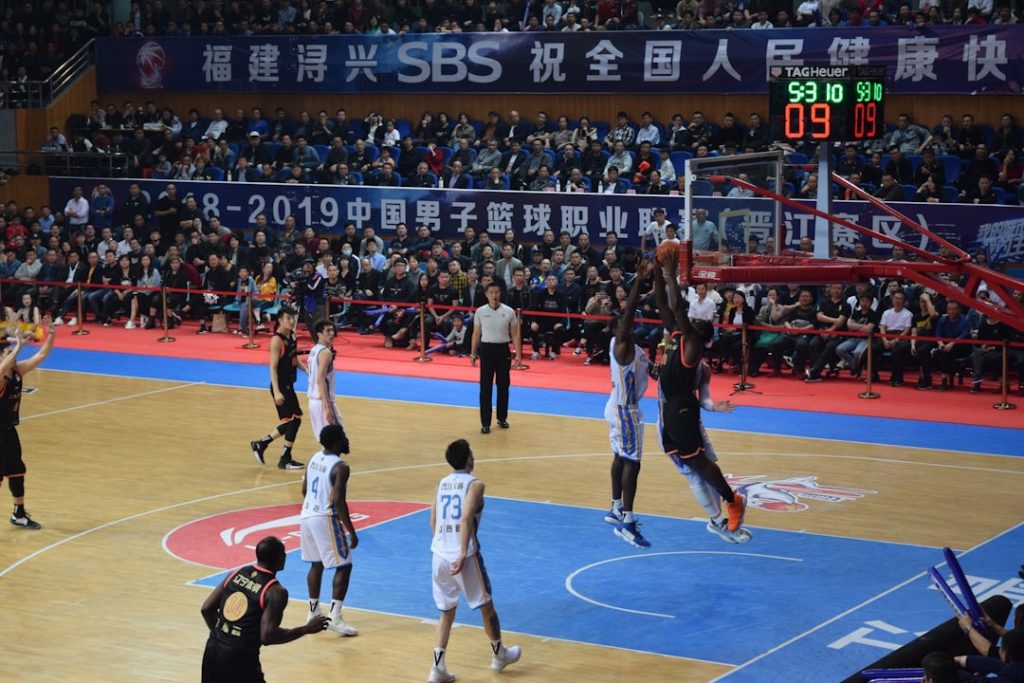
The Minnesota Timberwolves and Los Angeles Lakers have built one of the most compelling Western Conference rivalries in recent seasons. With a blend of established superstars, elite defensive anchors, and promising young talent, each matchup offers a fascinating statistical chess match. A detailed breakdown of player performance reveals not just who scores the most points, but how efficiency, spacing, rebounding, and defensive versatility shape the outcome of every contest.
TLDR: The Timberwolves rely heavily on interior dominance, rebounding strength, and the evolving offensive versatility of their core players. The Lakers counter with experience, playmaking efficiency, and star-driven shot creation in crucial stretches. Advanced metrics show contrasting styles: Minnesota prioritizes rim protection and physicality, while Los Angeles emphasizes pace control and half-court efficiency. Understanding player stats—beyond raw scoring—explains why these games are often decided in the final minutes.
Team Identity Through the Numbers
At first glance, the box score often highlights total points and field goal percentages. However, a deeper evaluation showcases contrasting philosophies. The Timberwolves typically rank higher in defensive rating and rebounding percentage, using length and athleticism to control the paint. The Lakers, meanwhile, frequently excel in assist-to-turnover ratio and free throw attempts, reflecting disciplined half-court execution.
When these two teams meet, several statistical categories become decisive:
- Points in the Paint – Often favors Minnesota due to size.
- Second-Chance Points – Strong offensive rebounding from the Timberwolves frontcourt.
- Free Throw Differential – Traditionally an advantage for the Lakers.
- Fourth-Quarter Efficiency – Frequently led by Los Angeles stars.
The stylistic clash between structural defense and experienced shot creation makes the stat sheet especially revealing.
Minnesota Timberwolves: Player Statistical Impact

Anthony Edwards: Scoring Volume and Efficiency
Anthony Edwards has evolved into Minnesota’s primary offensive engine. Averaging over 25 points per game in recent seasons, his true shooting percentage and usage rate are critical in determining offensive success. When Edwards shoots above 48% from the field and limits turnovers to under three per game, Minnesota’s winning percentage significantly increases.
Key statistical strengths:
- Transition points generated off steals
- Three-point attempts per game reflecting scoring aggression
- Clutch-time points inside the final five minutes
However, advanced metrics reveal that defensive attention can affect his efficiency. Double teams often force kick-outs, making team-wide three-point shooting a necessary counterbalance.
Karl-Anthony Towns: Spacing and Versatility
Karl-Anthony Towns’ statistical value extends beyond traditional center numbers. His ability to shoot above 38% from three forces opposing bigs to defend the perimeter. This spacing effect opens driving lanes for Edwards and creates mismatches.
Important metrics include:
- Three-point shooting percentage for a center
- Defensive rebounding rate
- Offensive rating when on the floor
When Towns records double-digit rebounds alongside efficient perimeter shooting, Minnesota’s offensive rating climbs substantially.
Rudy Gobert: Defensive Anchor
Gobert’s impact is best understood through advanced analytics rather than raw scoring. His defensive win shares, block percentage, and opponent field goal percentage at the rim typically rank among league leaders.
Against the Lakers, Gobert’s rim protection disrupts interior scoring. When he records:
- 3+ combined blocks and altered shots
- 12+ rebounds
- A positive plus-minus rating
Minnesota often controls the tempo defensively. His presence forces mid-range attempts, shifting the Lakers’ offensive distribution.
Los Angeles Lakers: Statistical Leaders

LeBron James: All-Around Production
Even in advanced stages of his career, LeBron James remains a statistical anomaly. Averaging near triple-double numbers in many head-to-head games, his influence is reflected in assist percentage and player efficiency rating (PER).
Key data points:
- Points generated (scoring plus assists)
- Fourth-quarter shooting percentage
- Turnover control in high-pressure minutes
When James maintains efficiency above 55% true shooting, the Lakers’ half-court offense becomes extremely difficult to contain.
Anthony Davis: Two-Way Dominance
Anthony Davis is often the statistical swing factor in Timberwolves matchups. His combination of rim protection and mid-range scoring challenges Minnesota’s interior defense.
Critical metrics include:
- Blocks and contested shots
- Free throw attempts per game
- Defensive rating while on court
When Davis surpasses 25 points with double-digit rebounds, the Lakers typically control the rebounding battle—neutralizing Minnesota’s usual advantage.
Backcourt Contribution
The Lakers’ guards play a subtler but vital role. Three-point shooting efficiency from role players determines spacing for James and Davis. A collective three-point shooting percentage above 37% in a game significantly improves offensive flow.
Assist-to-turnover ratio among guards also dictates pace control. Limiting turnovers prevents Minnesota’s transition attack from gaining momentum.
Head-to-Head Statistical Matchups

Paint Scoring Battle
Both teams rely on interior presence, making paint scoring a primary battleground. Minnesota’s length challenges high-percentage attempts, while the Lakers attempt to draw fouls to offset blocked shots.
When comparing averages in direct matchups:
- Minnesota often leads in points in the paint.
- Los Angeles frequently leads in free throws made.
This trade-off reflects a strategic difference: physical rim defense versus calculated aggression.
Rebounding Metrics
Total rebounds alone do not tell the entire story. Offensive rebound percentage and second-chance conversion rate are better indicators. The Timberwolves’ size often results in 10–15 second-chance points, but if the Lakers secure defensive boards early, they accelerate tempo and attack before Minnesota’s defense is set.
Clutch Performance Data
Clutch-time statistics reveal the Lakers’ experience advantage. In games within five points during the final five minutes:
- LeBron James typically averages high-efficiency shot attempts.
- The Lakers’ team free throw percentage becomes pivotal.
- Minnesota sometimes experiences a late-game scoring dip tied to turnover spikes.
However, Edwards’ recent growth in shot selection has narrowed this historical gap.
Advanced Analytics Comparison
Modern evaluation demands attention to advanced metrics:
- Net Rating: Measures point differential per 100 possessions.
- Effective Field Goal Percentage (eFG%): Accounts for added three-point value.
- Usage Rate: Indicates offensive reliance on key players.
In recent seasons, Minnesota’s defensive net rating has frequently surpassed Los Angeles. Conversely, the Lakers often maintain a stronger half-court offensive efficiency in postseason-style play.
Another critical stat is pace. The Timberwolves benefit from controlled tempo that maximizes defensive sets. The Lakers, when able to dictate moderate pace with structured half-court sets, improve shot quality significantly.
Bench Production and Depth Analysis
Bench scoring can swing competitive matchups. Timberwolves reserves contribute athletic defense and transition scoring. Their bench plus-minus often hinges on defensive disruption.
The Lakers’ bench, in contrast, emphasizes shot creation and spacing. Three statistical factors stand out:
- Bench three-point attempts
- Plus-minus differential in second quarter stretches
- Turnover margin during non-starter minutes
When the Lakers’ bench unit maintains even scoring output against Minnesota’s defense-first rotation, overall game balance shifts toward Los Angeles.
Conclusion: What the Stats Ultimately Reveal
A detailed breakdown of Timberwolves vs Lakers player stats demonstrates that raw scoring rarely tells the full story. Minnesota thrives when rebounding dominance and rim protection dictate tempo. The Lakers thrive when star efficiency, free throw generation, and late-game composure prevail.
In essence, these matchups represent two paths to winning basketball. One relies on physical control and defensive metrics; the other leans on experience, shot creation, and situational efficiency. By analyzing advanced indicators—net rating, defensive impact, pace control, and clutch-time execution—a clearer, more trustworthy picture emerges of why outcomes swing the way they do.
For analysts and fans alike, understanding these underlying statistics transforms each contest from a simple game into a measurable strategic battle—where every rebound, assist, and efficiency percentage tells a larger competitive story.