
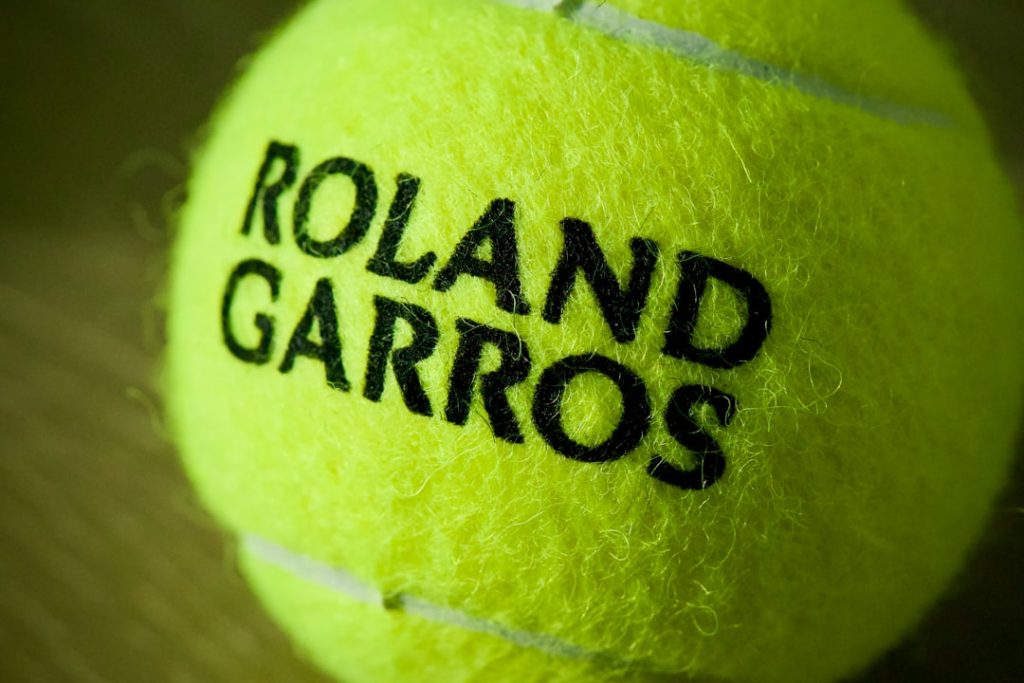
The 2026 French Open—officially known as Roland-Garros—is shaping up to be one of the most highly anticipated tournaments on the global tennis calendar. Held annually in Paris, this Grand Slam event is the pinnacle of clay-court competition, combining athletic excellence with timeless European flair. As players and fans prepare for another thrilling edition, understanding the tournament calendar can enhance your experience, whether you’re attending in person or tuning in from around the world.
TLDR: The 2026 French Open is expected to run from late May to early June, following its traditional two-week Grand Slam format. Key dates include the qualifying rounds in the week prior, main draw matches beginning Sunday, and the singles finals scheduled for the second weekend. Night sessions, junior and doubles events, and adjusted scheduling for global audiences all play an important role. Planning ahead is essential for fans due to high demand for tickets and global broadcast considerations.
1. The Official 2026 Tournament Dates
The French Open traditionally begins in late May and concludes in early June, and 2026 will follow this established pattern. Based on the standard scheduling format approved by the International Tennis Federation (ITF), the tournament is expected to run approximately from May 24 to June 7, 2026, though final confirmation typically arrives months in advance.
The event is divided into two major segments:
- Qualifying Rounds: Usually held during the week before the main draw (likely May 18–22, 2026)
- Main Draw: First-round matches begin Sunday, running for two full weeks
This Sunday start, introduced permanently in recent years, allows for a more evenly distributed match schedule and increased broadcast flexibility. For fans planning travel, arriving during the first week offers the opportunity to watch dozens of matches across multiple courts.
Image not found in postmetaThe finals traditionally occur on the second weekend:
- Women’s Singles Final: Saturday, June 6 (expected)
- Men’s Singles Final: Sunday, June 7 (expected)
Marking these dates early is critical, especially since hotel prices and flights to Paris surge dramatically during the second week.
2. How the Two-Week Format Is Structured
The French Open adheres to the traditional seven-round Grand Slam format for singles, but its clay surface significantly influences match pacing and recovery time. Clay matches often run longer than their hard-court counterparts, leading to strategic scheduling decisions by tournament organizers.
Here’s how the typical progression unfolds:
- Days 1–3: First Round Singles
- Days 3–4: Second Round
- Days 5–6: Third Round
- Day 7–8: Round of 16
- Days 9–10: Quarterfinals
- Day 12: Women’s Semifinals
- Day 13: Men’s Semifinals
- Final Weekend: Championship Matches
One notable aspect of the 2026 schedule will likely be the continued use of night sessions at Court Philippe-Chatrier. Since the installation of floodlights and a retractable roof, organizers have greater flexibility in dealing with Paris’ occasionally unpredictable spring weather.
Evening matches generally feature marquee players, which means ticket holders for night sessions often enjoy headline matchups in a more intimate, electric atmosphere.
3. Key Schedule Highlights Beyond Singles
While singles attracts the spotlight, the 2026 French Open calendar includes a diverse range of events that unfold simultaneously. Understanding these parallel competitions can enhance your viewing strategy.
Major events include:
- Men’s Doubles
- Women’s Doubles
- Mixed Doubles
- Junior Championships
- Wheelchair Events
- Legends Trophy (select exhibitions)
Junior and wheelchair events typically begin during the second week, allowing spectators to experience emerging talent and inspiring athletic performances.
The mixed doubles final is often strategically placed before the singles finals weekend, creating a dynamic build-up to the main championship matches. Meanwhile, doubles finals usually occupy the days leading up to the singles showdowns.
This layered scheduling ensures continuous excitement across all fourteen days, offering fans more variety than any other clay-court tournament worldwide.
4. How Weather and Clay Impact the Calendar
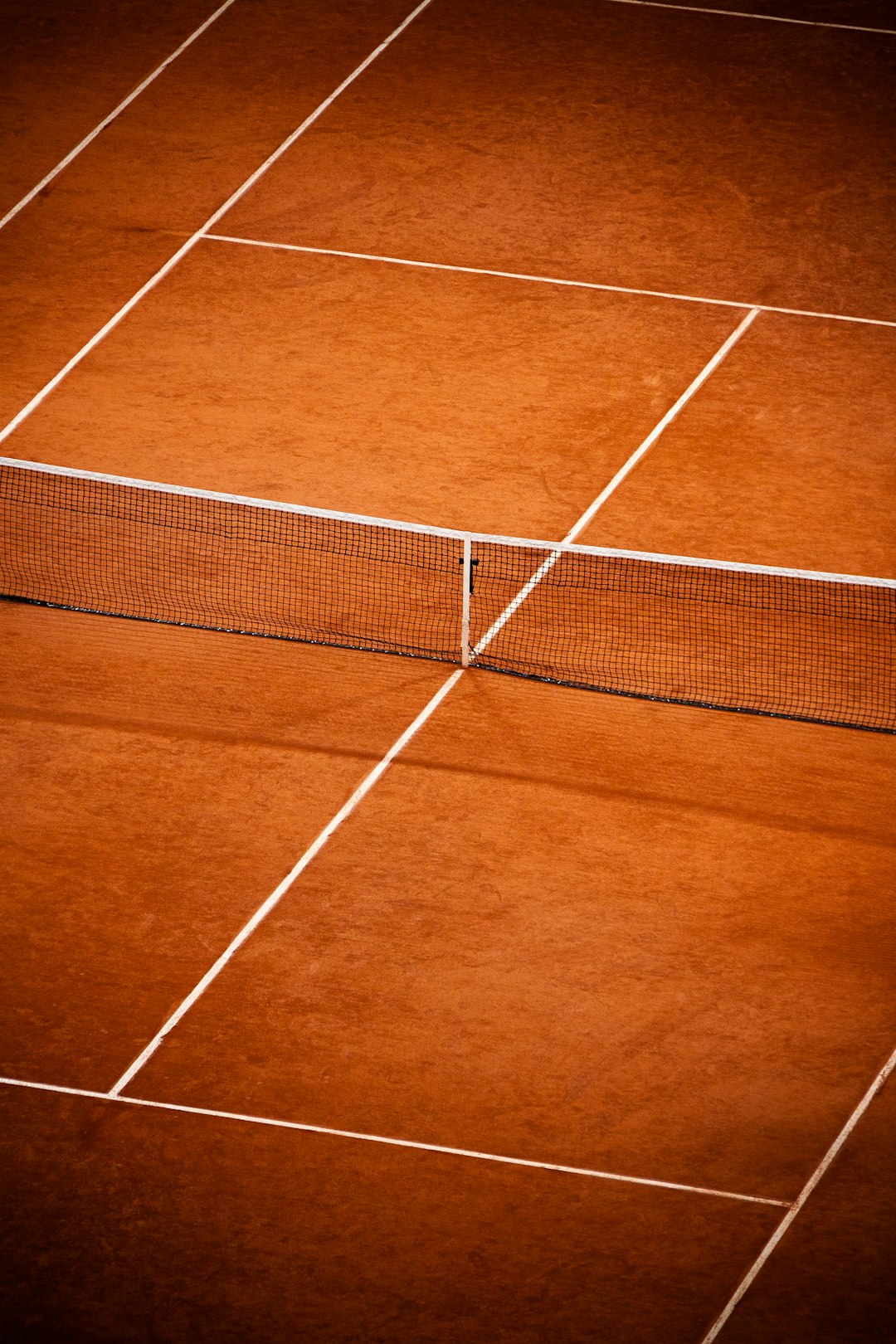
Unlike Wimbledon or the US Open, the French Open’s clay surface dramatically affects match duration and weather sensitivity. Clay slows the ball and produces longer rallies, leading to more physically demanding matches. As a result, scheduling buffers are deliberately built into the calendar.
Key factors affecting the 2026 schedule include:
- Rain Delays: Despite roof coverage on the main show courts, outer courts remain weather-exposed.
- Long Five-Set Matches: Men’s singles matches can stretch beyond four hours on clay.
- Player Recovery: Clay’s physical toll necessitates careful spacing between later-round matches.
The retractable roof on Court Philippe-Chatrier—and now Suzanne-Lenglen—allows priority matches to continue during rain, but widespread bad weather can still cause backlog effects for outer-court play.
For fans, this means flexibility is key. If you’re attending during the first week, having a grounds pass provides access to multiple courts, ensuring you’ll see action even if one match is delayed.
5. Ticketing Windows and Planning Ahead
One of the most crucial aspects of the 2026 French Open calendar isn’t just match timing—it’s ticket release timing. Tickets typically go on sale in phases beginning in early spring 2026, with priority windows for:
- French Tennis Federation members
- Official hospitality partners
- General public lottery systems
The second week, particularly semifinal and final sessions, sells out extremely quickly. If you’re planning to attend, monitor announcements as early as January 2026 for precise sale dates.
Image not found in postmeta
Travel logistics also align tightly with the calendar:
- Best for budget travelers: First four days
- Best for seeing top players: Round of 16 onward
- Best for championship atmosphere: Final weekend
Additionally, Paris experiences peak tourism during late spring. Coordinating accommodation and transportation early can significantly reduce expenses and stress.
Bonus Insight: Global Broadcast Timing
With a worldwide audience spanning Europe, North America, Asia, and Australia, match times are adjusted to maximize viewership. Day sessions typically begin around 11:00 AM local time (CEST), while night sessions start around 8:30 PM.
This scheduling allows:
- Afternoon viewing in the Middle East
- Morning broadcasts in North America
- Late-night coverage in Asia
For 2026, expect continued emphasis on prime-time European broadcasts, particularly for French contenders and defending champions.
Why the 2026 Calendar Could Be Especially Significant
The 2026 edition may mark a transitional era in men’s and women’s tennis, as emerging stars continue to challenge established champions. Calendar planning will be critical for players managing packed ATP and WTA schedules leading up to Roland-Garros, including major clay-court Masters events in Monte Carlo, Madrid, and Rome.
Because the French Open is the only Grand Slam on clay, its calendar placement between spring hard courts and the short grass season creates a narrow but intense specialization window. Players often restructure their entire annual schedule around peaking in Paris.
This makes each date feel weighty—every round builds toward not just a championship, but a defining legacy moment on one of tennis’s most historic stages.
Final Thoughts
The 2026 French Open tournament calendar is more than a simple sequence of match dates—it is a carefully orchestrated blueprint designed to showcase endurance, strategy, and spectacle across two unforgettable weeks in Paris. From qualifying rounds to the iconic Sunday men’s final, each phase carries unique significance.
Whether you’re planning to stroll through the grounds under the Parisian sun or follow the drama from thousands of miles away, understanding the calendar allows you to experience Roland-Garros at its fullest. With thoughtful scheduling, modernized night sessions, and the ever-present unpredictability of clay, the 2026 tournament promises not just great tennis—but a meticulously timed sporting masterpiece.