
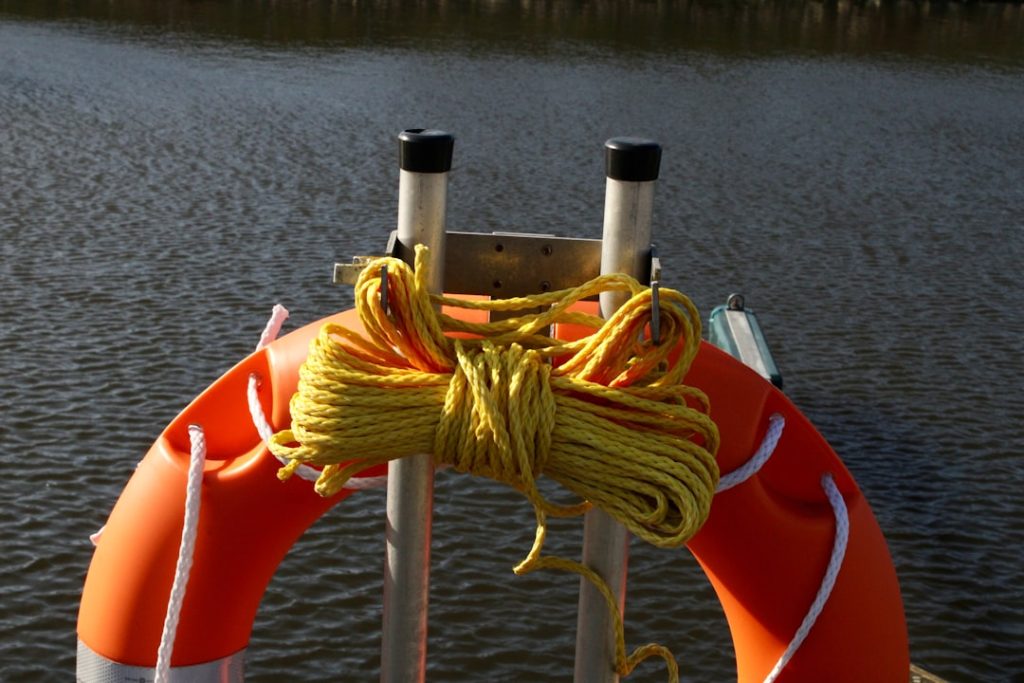
Water skiing is an exhilarating water sport that offers both adventure and fun. However, like any sport involving speed and water, it carries inherent risks, especially for those who are just starting out. One wrong move—or lack of preparation—can quickly turn an exciting outing into a dangerous situation. That’s why understanding and following essential safety practices is not just recommended, but absolutely vital for beginners.
TL;DR Summary
If you’re new to water skiing, safety should be your number one priority. Start with the right equipment, always wear a certified life jacket, and learn from a professional instructor. Remain alert, communicate clearly with your boat operator, and never ski in unsafe or crowded waters. These simple rules can help prevent accidents and make your first experience both safe and enjoyable.
Why Safety is Paramount for Water Skiing Beginners
Water skiing is more than just holding onto a rope while being towed behind a boat; it requires physical coordination, quick reflexes, and situational awareness. As a beginner, your reaction time and ability to adapt to sudden changes in speed or direction are still developing, increasing your risk of injury. Therefore, starting with a safety-first mindset is crucial not only for your own well-being but also for the safety of others on the water.
1. Use the Right Equipment
Your safety begins with your gear. Using proper, well-maintained equipment can mean the difference between a successful ride and a dangerous accident.
- Life Jacket: Always wear a U.S. Coast Guard-approved life jacket. It should fit snugly and should not ride up when you lift your arms or fall into the water.
- Skis: Beginners should start with combo skis or trainer skis, which provide better stability and easier control.
- Tow Rope: Use a ski rope with a handle that’s designed for water skiing. Avoid using ropes meant for other water sports.
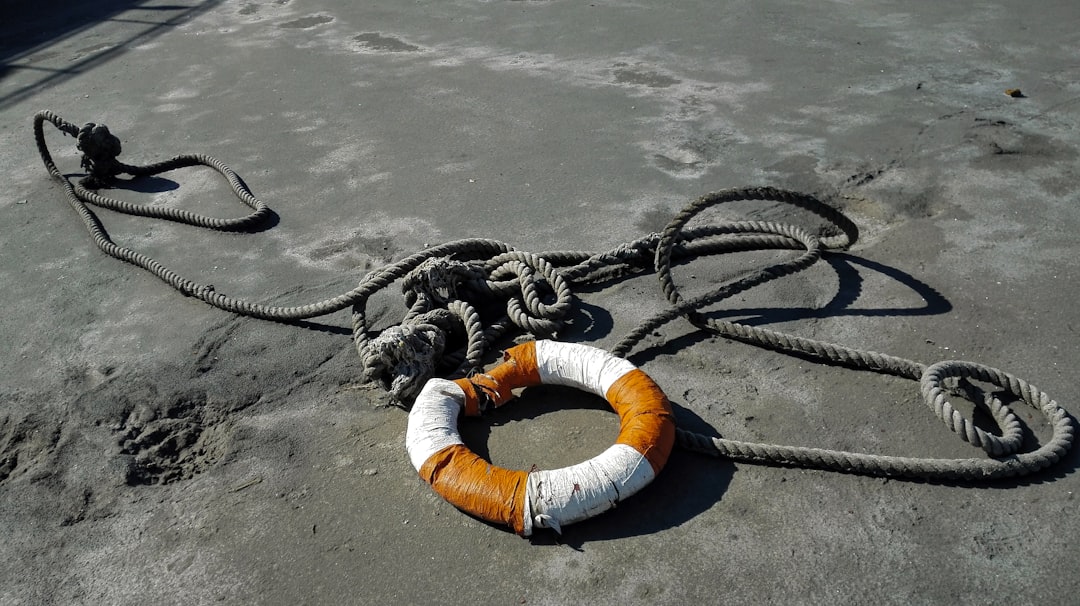
Before every outing, inspect your equipment thoroughly. Look for signs of fraying on the rope and cracks or damage to the skis or bindings. Never use damaged equipment.
2. Take Professional Lessons
Attempting to learn water skiing without proper instruction can put you at serious risk. A certified coach or instructor can teach you foundational skills like how to position your body, how to stand up on skis, and how to fall safely.
Additionally, instructors often cover boating signals and lake etiquette, which are essential for safe interaction with others on the water.
3. Know Your Hand Signals
Effective communication between the skier and the boat operator is critical. When verbal communication isn’t possible, hand signals become your common language. Learn and practice the following standard water skiing signals:
- Thumbs Up: Speed up
- Thumbs Down: Slow down
- Hand Flat, Palm Down: Maintain current speed
- Slashing Motion Across Neck: Stop immediately
- Touching Head: Return to the dock or boat
Ensure that your observer—the person in the boat responsible for watching the skier—also knows these signals to convey them to the boat driver effectively.
4. Always Have a Spotter
A three-person team is the safest configuration for water skiing: the skier, the boat driver, and the observer. The observer’s sole job is to keep an eye on the skier and relay information to the driver. This ensures that the skier can focus on the activity and rely on accurate communication.
Some states legally require an observer, so check your local regulations before heading out.
5. Choose Safe Locations
Never attempt to water ski in unfamiliar or crowded areas. The ideal spot will be:
- Free from obstacles like docks, buoys, and floating debris
- Away from swimming zones and fishing areas
- In calm waters, ideally early in the morning or late afternoon when the water is less choppy
- Clear with good visibility, so boaters can see you easily
Always check weather conditions ahead of your session. Lightning, high winds, or poor visibility can be dangerous and should be avoided.

6. Warm-Up and Stay Hydrated
Water skiing is physically demanding. To avoid cramps or muscle strains, do a proper warm-up before getting in the water. Stretch your arms, legs, neck, and back. Additionally, drink plenty of water throughout the day. Dehydration can impair reflexes and overall performance, increasing the risk of mistakes.
7. Learn How to Fall
Falling is a part of learning, but doing it incorrectly can lead to injury. Here’s how to fall safely:
- Let go of the tow rope as soon as you start to fall.
- Keep your limbs relaxed and aim to fall flat to disperse impact forces.
- Do not try to break your fall with your hands or feet.
- Always signal that you’re okay once you’re in the water by raising both arms or giving a thumbs-up, if safe to do so.
8. Never Ski Alone
Regardless of your experience, you should never water ski without others present. Emergencies can happen fast. Whether it’s a snapped rope, equipment failure, or a health-related issue, having others nearby can be a lifesaving factor.
9. Respect Other Water Users
Boats, swimmers, kayakers, and other skiers may all share the same body of water. Be courteous, follow the right of way rules, and maintain a safe distance at all times. Reckless behavior not only endangers your life but also the lives of those around you. Take these tips seriously to ensure that every trip out on the water builds your skills and confidence—not your risk.
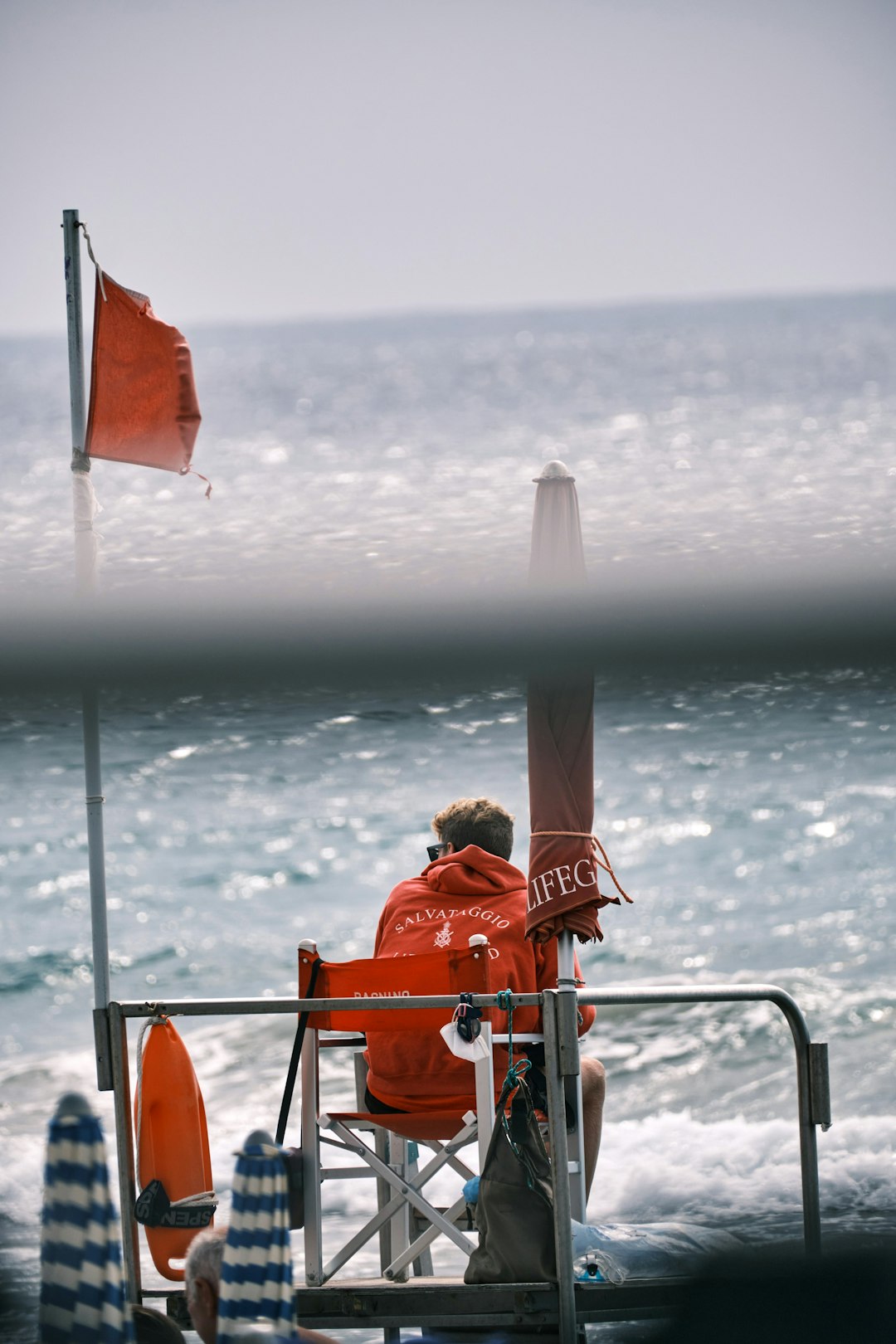
10. Understand Your Limits
Adrenaline can be both exciting and misleading. As a beginner, it’s easy to get carried away trying to match the experience levels of others. Know when to say no, take breaks, and end the session if you’re feeling fatigued. Listen to your body. Pushing your limits too early could result in avoidable accidents or long-term injuries.
Conclusion
Water skiing can be an incredibly rewarding experience when done safely. For beginners, the key is to approach the sport with respect, preparation, and a willingness to learn. Using proper gear, undergoing professional instruction, adhering to safety signals, and practicing responsible behavior will significantly reduce your risk and enhance your enjoyment. With each ride, you’ll gain more confidence and skill—but only if you put safety first every single time.
Always remember: no thrill is worth risking your life, and the best water skiers are those who prioritize safety just as much as they do the sport itself.