

Fantasy football is a game of details, matchups, and small statistical edges that accumulate over a season. While quarterbacks and running backs tend to dominate headlines, experienced managers understand that championships are often influenced by less glamorous positions. One of the most misunderstood yet strategically important roster spots is D/ST. Knowing how it works and how to manage it effectively can be the difference between a playoff berth and an early exit.
TLDR: D/ST stands for Defense/Special Teams in fantasy football, combining a team’s defensive unit and special teams performance into a single roster position. Points are earned through turnovers, sacks, defensive touchdowns, and points allowed, among other scoring categories. Unlike offensive players, D/ST scoring depends heavily on matchups and game conditions. Smart fantasy managers often stream defenses weekly based on opponent strength rather than relying on one team all season.
What Does D/ST Mean?
D/ST is short for Defense/Special Teams. In most standard fantasy football leagues, instead of selecting individual defensive players, managers draft an entire NFL team’s defense and special teams as one combined unit.
This unit includes:
- The defensive lineup (defensive line, linebackers, secondary)
- Kick return and punt return units
- Field goal block and extra point block units
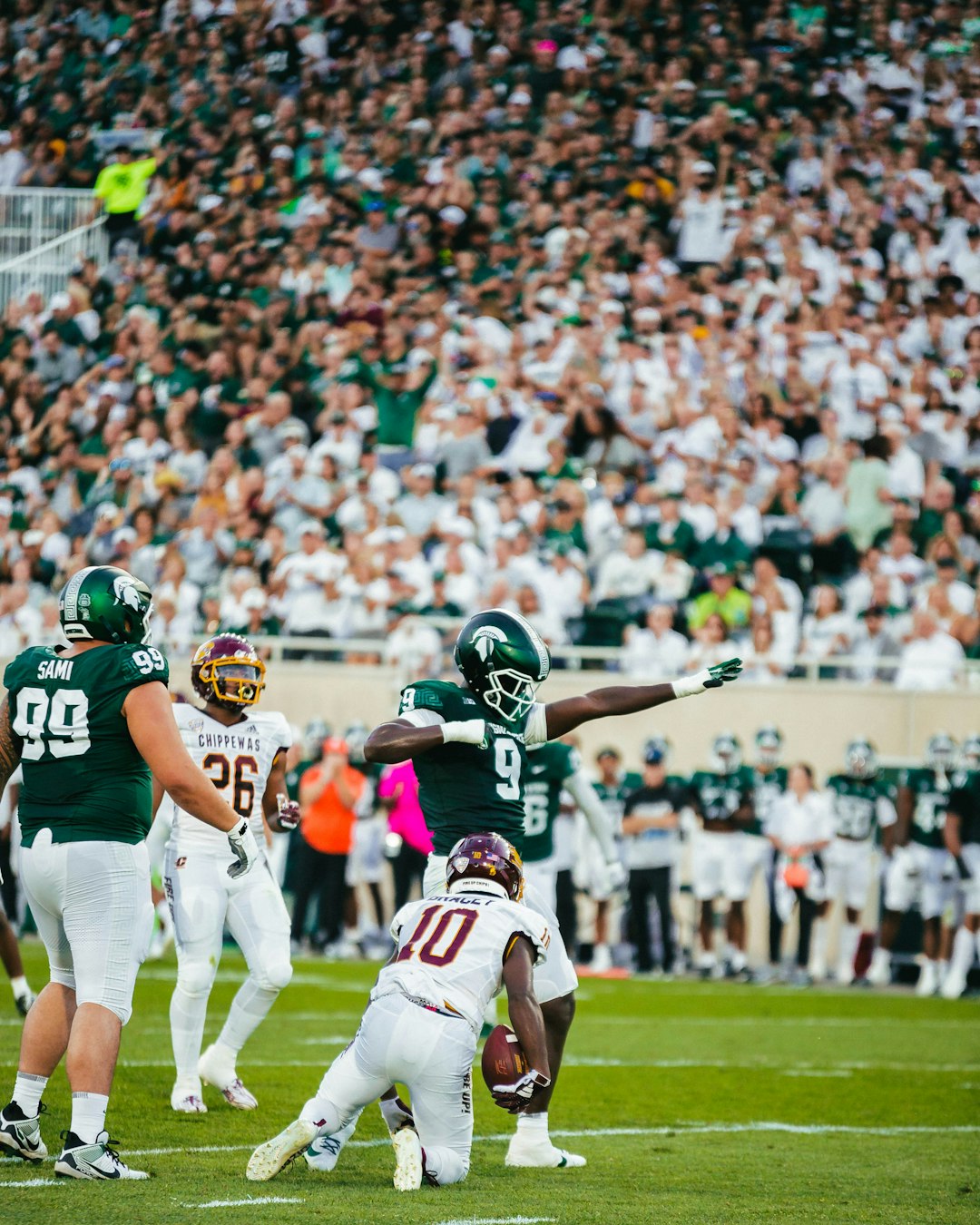
When you start a D/ST in your lineup, you are betting on that NFL team’s ability to prevent points, generate turnovers, create sacks, and possibly score defensive or special teams touchdowns during a given week.

How D/ST Scoring Works
While league scoring systems vary slightly, most follow a similar framework. D/ST units earn points for impactful defensive plays and lose points when they allow large numbers of points. Here is a breakdown of common scoring categories:
Positive Scoring Categories
- Sacks (typically 1 point each)
- Interceptions (usually 2 points)
- Fumble recoveries (2 points)
- Defensive touchdowns (6 points)
- Special teams touchdowns (6 points)
- Safeties (2 points)
- Blocked kicks or punts (2 points)
Points Allowed
D/ST units also earn or lose points based on how many points the opposing team scores. A typical format looks like this:
- 0 points allowed: 10 points
- 1–6 points allowed: 7 points
- 7–13 points allowed: 4 points
- 14–20 points allowed: 1 point
- 21–27 points allowed: 0 points
- 28+ points allowed: negative points
Because of this tiered structure, D/ST scoring can swing dramatically. A late touchdown allowed can reduce a defense’s score significantly, while a single interception returned for a touchdown can turn an average fantasy day into an excellent one.
Why D/ST Is Unique Compared to Other Positions
The D/ST position differs from offensive positions in several important ways:
- Lower predictability: Defensive touchdowns and turnovers are inherently volatile.
- Heavy matchup dependence: The opposing offense often matters more than the defense’s raw talent.
- Game script sensitivity: A defense playing with a lead often performs better statistically.
For example, even an elite defense can struggle statistically if its offense frequently turns the ball over, putting it in short-field situations. Conversely, average defenses can produce strong fantasy scores when facing inexperienced quarterbacks or injury-depleted offenses.
The Role of Matchups in D/ST Success
Matchups are arguably the most critical factor when choosing which D/ST to start. Smart fantasy managers look beyond overall defensive rankings and analyze opponent tendencies.
Key matchup factors include:
- Quarterback turnover rate
- Offensive line sack rate allowed
- Injuries to key offensive players
- Vegas betting lines and projected point totals
- Weather conditions
Defenses facing rookie quarterbacks, backup passers, or teams with struggling offensive lines often have elevated fantasy ceilings. Windy or rainy conditions can further increase turnover likelihood.
D/ST Draft Strategy
Unlike running backs or wide receivers, defenses generally should not be selected in the early rounds of fantasy drafts. The scoring gap between the top defense and the fifth or sixth-ranked defense is usually much smaller than the difference between elite and mid-tier offensive players.
Common Draft Approaches
- Late-round selection: Wait until the final rounds to draft a D/ST.
- Target early-season matchups: Choose a defense with favorable first few games.
- Avoid overpaying for last year’s leader: Defensive performance can fluctuate year to year.
Historical trends show that defensive scoring is less consistent annually compared to offensive production. A defense that finished first one season may fall outside the top five the following year due to injuries, schedule strength, or regression.
What Is Streaming a D/ST?
One popular and effective strategy is known as streaming. Rather than sticking with one defense all season, managers pick up and start different D/ST units each week based on matchups.
Streaming focuses on:
- Targeting offenses with high turnover rates
- Exploiting weak offensive lines
- Avoiding high-powered offenses
This approach requires active waiver wire management but can yield strong results. Because many fantasy managers undervalue D/ST, viable streaming options are often available each week.
Special Teams Impact
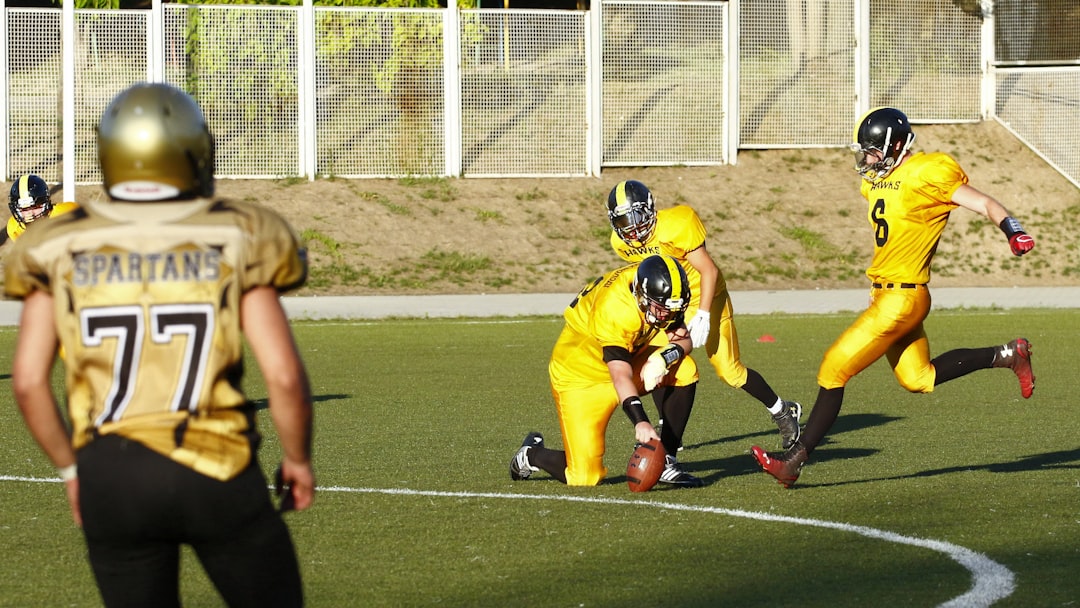
Special teams play a crucial role in D/ST scoring, though its impact is sometimes overlooked. A punt return touchdown or blocked field goal can generate substantial points.
However, rules vary by platform regarding:
- Whether kickoff return touchdowns count
- How blocked extra points are treated
- How yardage allowed impacts scoring
Understanding your specific league settings is essential. Small scoring adjustments can change how valuable certain defensive tendencies are.
Common Mistakes Fantasy Managers Make with D/ST
Despite its relative simplicity, managers frequently mismanage the D/ST position. Avoiding these pitfalls can create a meaningful weekly edge.
1. Overvaluing Defensive Reputation
Real-life defensive strength does not always translate directly to fantasy production. A defense that prioritizes limiting big plays may allow few yards but generate limited turnovers.
2. Ignoring Opponent Quality
Starting a good defense against an elite offense often results in mediocre fantasy output. Even top-tier units struggle when facing efficient quarterbacks and balanced attacks.
3. Holding a Defense Through Tough Stretches
Managers sometimes cling to one defense out of loyalty. In reality, rotating based on matchups often maximizes weekly scoring.
Advanced Considerations
For managers seeking deeper insight, several advanced metrics can help evaluate D/ST potential:
- Pressure rate: Indicates how often a defense disrupts the quarterback.
- Takeaway rate: Measures frequency of turnovers generated.
- Opponent neutral pass rate: Suggests passing volume opportunity for sacks and interceptions.
- Pace of play: Faster games create more defensive opportunities.
Defenses facing pass-heavy opponents naturally have more opportunities to accumulate sacks and interceptions. Volume creates upside.
How D/ST Can Win or Lose a Week
Although D/ST typically contributes fewer points than star skill players, its weekly impact can be decisive. Consider a scenario where one manager’s defense scores 18 points due to multiple turnovers and a touchdown, while the opponent’s defense scores negative points after allowing 35 points. That swing can exceed 20 fantasy points.
Because fantasy matchups are frequently decided by narrow margins, correctly selecting a defense during key weeks — particularly during playoffs — can tilt outcomes significantly.
League Variations
Some leagues replace D/ST with Individual Defensive Players (IDP), where managers draft linebackers, defensive backs, and defensive linemen separately. While IDP requires more granular analysis, traditional D/ST remains the most common format in standard leagues.
Other customizations may include:
- Bonus points for yards allowed thresholds
- Points per tackle for loss
- Enhanced scoring for turnovers
Always review league settings before finalizing strategy.
Final Thoughts
D/ST in fantasy football represents far more than a background roster spot. It is a strategic lever that rewards managers who understand matchups, game environments, and statistical volatility. While it may lack the glamour of drafting a star quarterback or explosive wide receiver, disciplined D/ST management can provide consistent advantages over the course of a season.
Approach the position with realism: prioritize matchups, remain flexible, avoid emotional loyalty, and exploit waiver opportunities. In a game defined by incremental edges, a well-managed Defense/Special Teams unit can quietly but meaningfully contribute to championship success.