
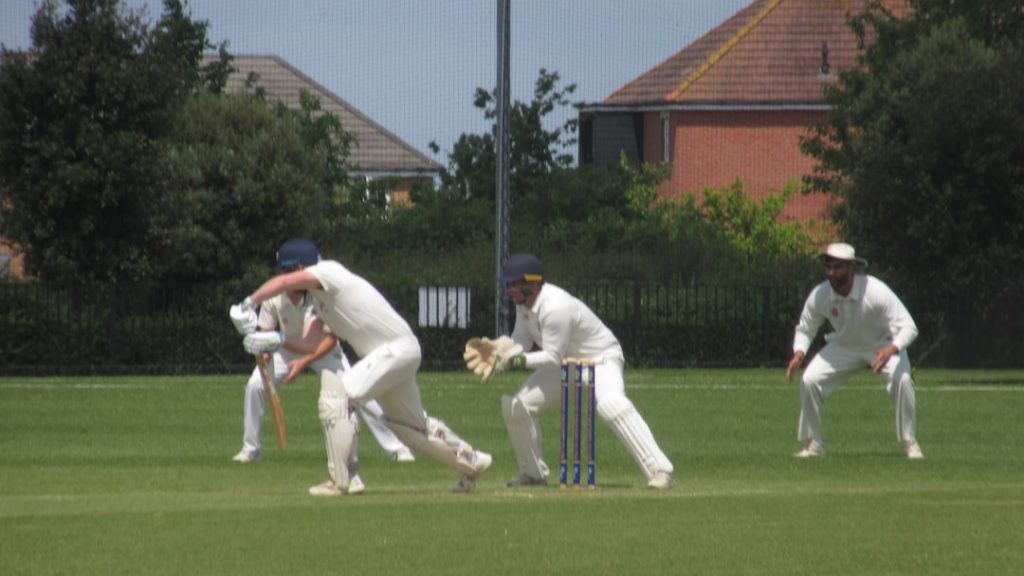
Cricket in 2026 is faster, more athletic, and more data-driven than ever before. Even at the grassroots level, players are focusing not just on batting technique and bowling accuracy, but also on overall fitness, agility, and injury prevention. The good news? You don’t need elite training facilities or years of experience to get started. With the right beginner-friendly cricket fitness drills, you can build strength, stamina, and confidence while keeping training enjoyable and sustainable.
TLDR: Cricket fitness in 2026 emphasizes agility, endurance, mobility, and functional strength. Beginners should focus on simple bodyweight drills, short sprint work, core stability, and reaction training. Most exercises require minimal equipment and can be done in small spaces. Consistency and good technique matter more than intensity at the start.
Why Fitness Matters More Than Ever in Cricket
Modern cricket demands explosive sprints between wickets, powerful throws from the boundary, quick directional changes in the field, and long spells of concentration. Even recreational players benefit hugely from improving their baseline fitness.
Key areas every beginner should target include:
- Aerobic endurance for longer matches
- Explosive speed for quick singles and fielding
- Core stability for batting and bowling control
- Mobility and flexibility to prevent injuries
- Coordination and reaction time for fielding and catching
The following drills are structured to help beginners ease into structured fitness training without feeling overwhelmed.
1. Dynamic Warm-Up Routine (The Essential Starting Point)
Before any cricket-specific drill, players should complete a 5–10 minute dynamic warm-up. Skipping warm-ups is one of the most common beginner mistakes and increases injury risk significantly.
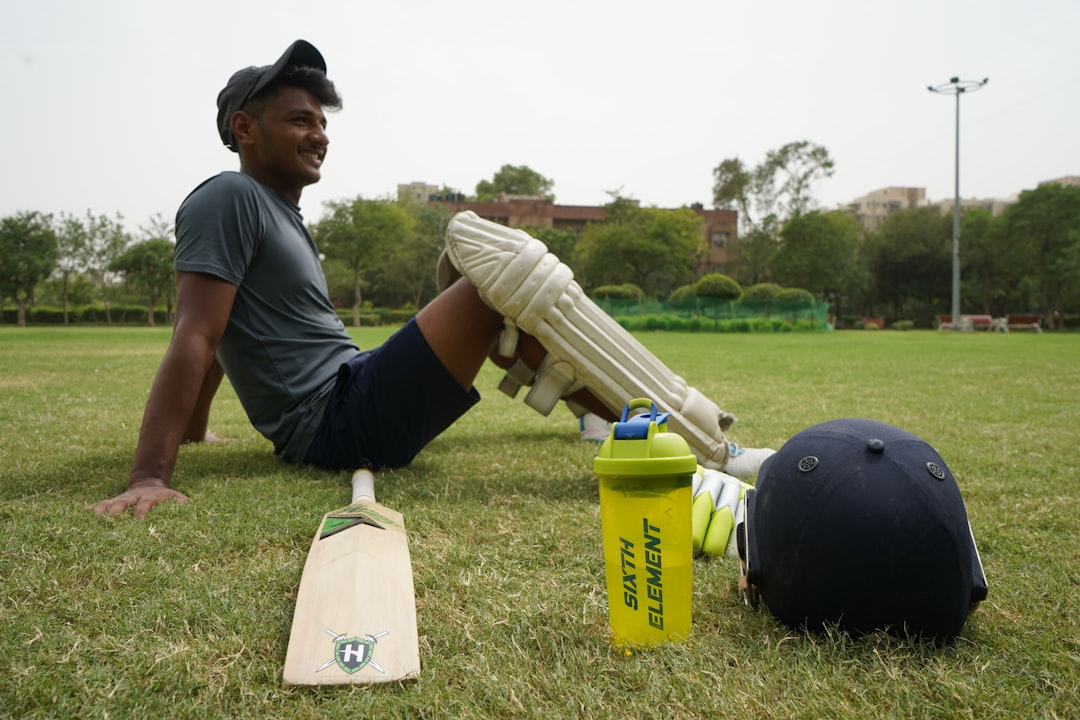
Beginner Dynamic Warm-Up Circuit:
- Jogging in place – 1 minute
- Arm circles (forward and backward) – 30 seconds each
- Leg swings (front and side) – 10 each leg
- Walking lunges – 10 reps
- High knees – 30 seconds
- Butt kicks – 30 seconds
This raises heart rate, increases joint mobility, and prepares muscles for sprinting and throwing.
2. Sprint and Shuttle Drills for Quick Singles
Running between the wickets can change the outcome of a match. Beginners should learn to move quickly, accelerate efficiently, and turn smoothly.
Basic 10–20 Meter Shuttle Drill
- Mark two cones 10 meters apart.
- Sprint to the second cone.
- Touch the ground.
- Sprint back.
- Repeat 5–8 times.
Beginner Tip: Focus on staying low when turning and using short, sharp steps to change direction.
As conditioning improves in 2026-style modern training, players often use timed intervals. For example:
- 20 seconds sprint work
- 40 seconds rest
- Repeat for 6 rounds
This mimics real match bursts of activity.
3. Bodyweight Strength Training for Cricket Power
Strength does not require heavy gym equipment, especially for beginners. Functional movements build the base required for batting power and bowling control.

Beginner Bodyweight Circuit
Perform 2–3 rounds:
- Bodyweight squats – 15 reps
- Push-ups – 10–12 reps
- Glute bridges – 15 reps
- Plank hold – 30 seconds
- Side plank – 20 seconds per side
These exercises improve:
- Lower body strength for explosive running
- Upper body stability for throwing
- Core control for balanced batting strokes
Start slow. Proper form is far more important than high repetitions.
4. Reaction and Coordination Drills for Fielding
Fielding in modern cricket depends heavily on reaction time. Fortunately, you don’t need advanced technology to train this skill.
Simple Ball Drop Drill
- Stand facing a partner.
- The partner holds a tennis ball at chest height.
- Without warning, they drop it.
- Sprint forward and catch before it bounces twice.
This improves explosiveness and reaction speed.
Wall Rebound Drill
- Throw a tennis ball against a wall.
- Catch it on the rebound.
- Alternate hands every 10 throws.
In 2026, many beginners record these drills on smartphones to track hand-eye coordination progress.
5. Core Stability for Batting and Bowling
Your core transfers power between upper and lower body. A weak core results in slower deliveries and less controlled batting shots.
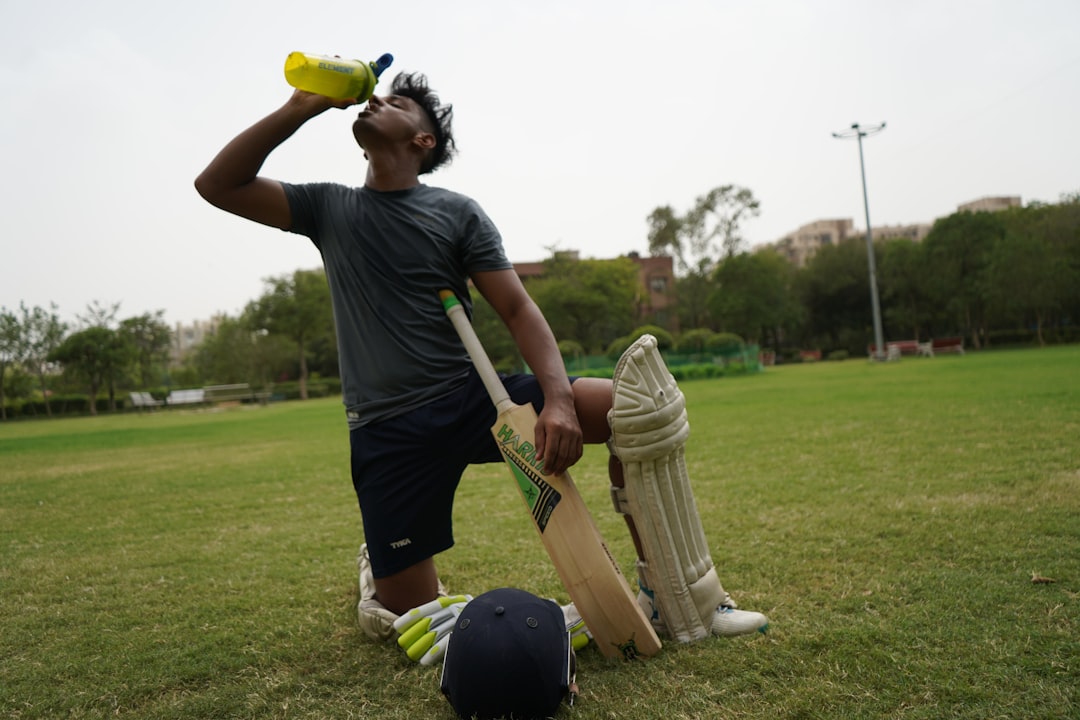
Beginner Core Routine
- Russian twists (bodyweight or light ball) – 20 reps
- Dead bugs – 10 reps per side
- Bird dogs – 10 reps per side
- Standing torso rotations – 20 reps
Keep movements slow and controlled. Avoid rushing through the exercises.
6. Mobility and Flexibility for Injury Prevention
Overuse injuries are common in cricket, especially in beginners who suddenly increase workload. Mobility work helps protect:
- Shoulders (especially for bowlers)
- Hamstrings
- Lower back
- Hips
Post-Training Stretch Routine
- Hamstring stretch – 30 seconds each leg
- Hip flexor stretch – 30 seconds each side
- Shoulder cross-body stretch – 30 seconds each arm
- Child’s pose – 45 seconds
Stretching improves range of motion and reduces muscle stiffness after training.
7. Beginner Fitness Equipment Comparison
Most drills require little to no equipment. However, a few affordable tools can enhance training variety. Below is a simple comparison chart for beginners in 2026.
| Equipment | Cost Range | Best For | Beginner Friendly? |
|---|---|---|---|
| Cones | Low | Sprint and agility drills | Yes |
| Resistance bands | Low | Shoulder strength and warm-ups | Yes |
| Medicine ball (light) | Moderate | Core rotation power | Yes, if light weight |
| Agility ladder | Low to moderate | Footwork drills | Yes |
| Weighted vest | Moderate | Advanced conditioning | No, not for beginners |
If you’re just starting, cones and resistance bands are more than enough.
Sample 30-Minute Beginner Cricket Fitness Plan
Here’s a structured weekly starter routine:
Day 1: Speed and Agility
- Warm-up – 5 minutes
- 10 meter shuttle drill – 6 rounds
- Ball drop drill – 10 reps
- Plank hold – 3 sets
Day 2: Strength and Core
- Warm-up
- Bodyweight circuit – 3 rounds
- Russian twists – 3 sets
- Stretching – 5 minutes
Day 3: Active Recovery
- Light jog – 10 minutes
- Mobility routine – 10 minutes
Rest at least one full day per week.
Common Beginner Mistakes to Avoid
- Skipping warm-ups
- Overtraining too soon
- Ignoring rest days
- Focusing only on batting or bowling practice
- Neglecting hydration and nutrition
Fitness gains come with consistency, not overexertion.
How to Stay Motivated in 2026
Today’s beginners benefit from tracking apps, wearable fitness monitors, and online accountability groups. While these tools can help, remember that progress is about discipline, not devices.
Set small goals like:
- Improving shuttle run time by 1 second
- Holding plank for 60 seconds
- Completing 3 sessions per week consistently
Celebrate improvements, no matter how small.
Final Thoughts
Cricket fitness in 2026 is no longer reserved for elite athletes. Beginners can safely and effectively improve performance with simple drills focused on speed, strength, coordination, and mobility. By building a strong foundation early, players not only enhance performance but also reduce injury risk and increase long-term enjoyment of the sport.
Start simple. Stay consistent. Focus on good form. Over time, these beginner-friendly cricket fitness drills will transform not just your game—but your overall athleticism.