
The Baltimore Ravens enter the 2026 NFL season positioned as one of the AFC’s most stable and strategically disciplined franchises. Built on a long-standing identity of defensive toughness, offensive adaptability, and organizational continuity, the Ravens continue to evolve without abandoning their roots. This guide provides a full breakdown of the 2026 Baltimore Ravens—from roster construction and coaching philosophy to offensive strategy, defensive strengths, and long-term outlook.
TLDR: The Baltimore Ravens in 2026 remain a disciplined, playoff-caliber team built around elite quarterback play, defensive depth, and organizational consistency. Head coach John Harbaugh’s culture of accountability continues to define the franchise, while smart roster management keeps the team balanced on both sides of the ball. With a powerful running game, a creative passing attack, and a relentless defense, Baltimore is firmly in the AFC contender tier. The future outlook remains strong due to disciplined drafting and cap management.
Organizational Stability and Team Philosophy
Few franchises in the NFL demonstrate the level of long-term stability that Baltimore has sustained. Owner Steve Bisciotti continues to prioritize continuity in leadership and infrastructure. Head coach John Harbaugh, now one of the league’s most tenured coaches, remains central to the team’s identity.
The Ravens’ philosophy in 2026 continues to rest on three foundational principles:
- Physicality at the line of scrimmage
- Versatility on offense
- Defense-first roster construction
General Manager Eric DeCosta has maintained the franchise’s reputation for cap discipline and intelligent drafting. Rather than aggressively chasing splash signings, Baltimore focuses on developing talent internally and supplementing the roster with targeted veteran additions.
Quarterback Leadership and Offensive Direction
At the heart of the 2026 Ravens remains Lamar Jackson, whose evolution as a passer has fully complemented his elite dual-threat capabilities. Once known primarily for his dynamic rushing ability, Jackson has matured into a complete quarterback capable of dissecting coverages from the pocket.
Offensive coordinator strategy has shifted toward balance. The Ravens no longer rely solely on a run-heavy identity but instead employ:
- Option-based run schemes that leverage Jackson’s mobility
- Play-action vertical concepts to stretch defenses
- Quick-release passing packages to neutralize aggressive pass rushes
- Multiple tight-end sets that create matchup advantages
The offensive line remains a pillar of stability. Baltimore consistently invests draft capital in linemen, ensuring protection depth and run-game continuity.
Skill Position Balance
The Ravens’ offensive weapons in 2026 reflect a commitment to versatility:
- A primary running back capable of both inside power and outside zone runs
- A reliable possession receiver for chain-moving situations
- A vertical threat to stretch safeties
- A pass-catching tight end who can operate in the slot
Rather than building around one dominant wide receiver, the Ravens distribute production. This approach makes defensive game planning more complex and reduces reliance on any single contributor.
Defensive Identity: The Constant
If there is one element that defines Baltimore across decades, it is defense. In 2026, the Ravens continue to field one of the league’s most disciplined and tactically intelligent units.
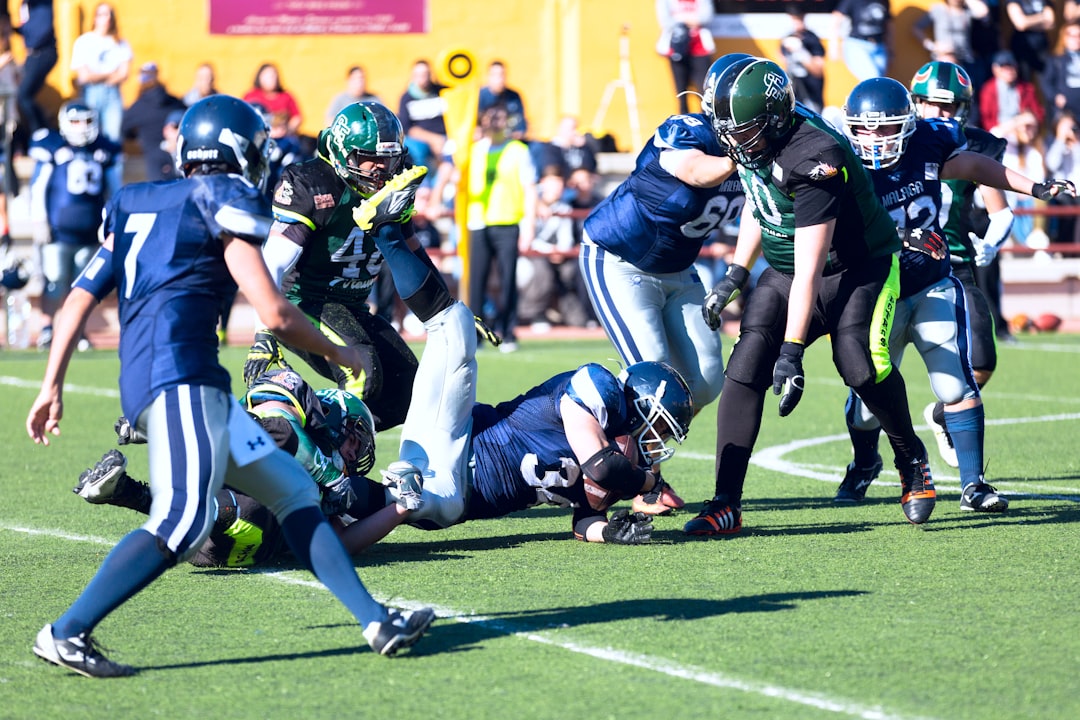
The defense is built on layered complexity:
- Multiple front alignments to confuse protection schemes
- Hybrid linebackers capable of coverage and pass rushing
- Ball-hawking safeties with elite field awareness
- Press-man corners suited for physical AFC opponents
Defensive coordinator philosophy emphasizes disguise. Pre-snap looks rarely match post-snap responsibilities. Opposing quarterbacks are forced into quick decisions, increasing turnover opportunities.
Run Defense
The Ravens have prioritized interior defensive line depth. Rotational linemen maintain energy into late-game situations, preventing fourth-quarter breakdowns. Gap discipline and tackling fundamentals remain non-negotiable standards within the system.
Pass Rush Strategy
Baltimore no longer depends exclusively on a single elite edge rusher. Instead, the scheme manufactures pressure through:
- Stunts and twists on passing downs
- Slot corner blitz packages
- Delayed linebacker rushes
- Coverage rotations that hold the ball longer
This layered approach keeps sack totals consistent even if individual numbers fluctuate from season to season.
Special Teams Excellence
Special teams has historically been a Ravens advantage, and 2026 is no exception. With strong emphasis on field position, Baltimore treats the third phase as a differentiator.
Key components include:
- Reliable placekicking in high-pressure situations
- Disciplined coverage units
- Punt strategy focused on directional control
Hidden yardage frequently determines playoff outcomes. Baltimore’s commitment to special teams discipline often creates subtle but meaningful advantages across a 17-game season.
Coaching and Tactical Evolution
John Harbaugh’s influence in 2026 is less about tactical micromanagement and more about culture reinforcement. Coordinators are given flexibility, but core team standards remain clear:
- Situational awareness
- Game-management discipline
- Fourth-quarter execution
- Preparation consistency
The Ravens are known for strong adjustments at halftime. Analytical support staff play an increasing role in game-planning decisions, particularly regarding fourth-down attempts and defensive matchup exploitation.
Roster Construction Model
Baltimore’s front office strategy can be broken down into a repeatable framework:
| Roster Area | Primary Strategy | Result in 2026 |
|---|---|---|
| Quarterback | Long-term franchise investment | Stability and identity |
| Offensive Line | Continuous draft development | Depth and durability |
| Defense | Early-round draft emphasis | Athletic, adaptable core |
| Skill Positions | Balanced acquisitions | Distributed production |
| Special Teams | Retention of specialists | Consistent field advantage |
This measured approach has allowed Baltimore to avoid dramatic rebuild phases. Instead, the team experiences “reload” cycles—refreshing talent without collapsing competitive viability.
AFC North Competition in 2026
The AFC North remains one of the NFL’s most demanding divisions. Physical defenses and cold-weather environments demand mental and physical resilience.
To compete within the division, Baltimore emphasizes:
- Turnover differential
- Red-zone efficiency
- Controlled time of possession
- Low penalty margins
Divisional games often feature narrow scoring margins. The Ravens’ disciplined structure becomes especially valuable in these matchups.
Statistical Profile and Performance Indicators
While team identity matters, performance metrics provide clarity. In 2026, Baltimore’s statistical strengths include:
- Top-tier rushing efficiency
- Above-average third-down conversion rate
- Low defensive explosive plays allowed
- Positive turnover margin
Areas of watch include occasional offensive inconsistency against elite pass defenses and managing health across a physical roster.
Fan Culture and Stadium Atmosphere
M&T Bank Stadium remains one of the league’s most intimidating venues. Ravens fans maintain a reputation for intensity and loyalty. The franchise fosters strong community integration, reinforcing long-term brand stability.
Game-day traditions emphasize:
- Defensive pride
- Blackout primetime games
- Recognition of franchise legends
This continuity strengthens organizational identity beyond the field.
Long-Term Outlook
Looking beyond 2026, Baltimore is structurally positioned to remain competitive. The franchise benefits from:
- A stable quarterback situation
- A proven head coach
- Cap flexibility through disciplined management
- Strong drafting infrastructure
The Ravens are unlikely to undergo a dramatic philosophical shift. Instead, they will continue refining their adaptable, defense-rooted model while evolving offensively alongside league trends.
Conclusion
The Baltimore Ravens in 2026 stand as a model of NFL sustainability. They combine quarterback excellence, defensive intelligence, and organizational discipline into a consistently competitive structure. Their identity is clear, their leadership is stable, and their roster construction aligns with long-term success rather than short-term volatility.
In a league defined by rapid change, the Ravens’ strength lies in controlled evolution. As the 2026 season unfolds, Baltimore remains not merely competitive—but structurally built for sustained contention within the AFC.