

The NFL playoffs represent the most thrilling stretch of the professional football calendar. After 18 grueling weeks of regular-season drama, heartbreak, breakout performances, and surprise contenders, only a select group of teams remain standing. For fans, analysts, and bettors alike, understanding the NFL playoff picture is essential to appreciating how teams navigate the high-stakes road to the Super Bowl.
TLDR: The NFL playoff picture determines which 14 teams advance to compete for the Super Bowl, based on regular-season records, division titles, and wild card spots. Seeding plays a crucial role, with higher seeds earning home-field advantage and first-round byes. Tiebreakers, conference balance, and late-season momentum often decide who gets in and who stays home. Ultimately, the playoffs are a single-elimination battle where preparation, health, and resilience define champions.
Below is a comprehensive guide to how the NFL playoff system works, what makes it exciting, and why every detail matters when the postseason begins.
How the NFL Playoff Structure Works
The NFL consists of 32 teams divided into two conferences:
- American Football Conference (AFC)
- National Football Conference (NFC)
Each conference contains four divisions: North, South, East, and West. At the end of the regular season, 14 total teams qualify for the playoffs — seven from each conference.
These seven teams include:
- 4 Division Winners (one from each division)
- 3 Wild Card Teams (the next three best records regardless of division)
This format ensures that both divisional dominance and overall performance are rewarded. Division winners automatically secure the top four seeds in each conference, while wild card teams fill seeds five through seven.
The Importance of Seeding
Seeding is more than just a number next to a team’s name — it can dramatically affect postseason success.
Here’s how the seeding system impacts the playoffs:
- Seed #1: Gets a first-round bye and home-field advantage throughout the conference playoffs.
- Seeds #2-#7: Compete in the Wild Card Round.
Only the number one seed receives a bye, making that top position incredibly valuable. A week off allows teams to rest injured players, refine game plans, and avoid the risk of an early elimination.

Home-field advantage also plays a major role. Teams hosting playoff games benefit from familiar conditions, supportive crowds, and reduced travel fatigue. Historically, higher seeds have a measurable advantage, though upsets are far from rare.
Tiebreakers: When Records Aren’t Enough
In a league built for parity, teams frequently finish with identical records. When that happens, the NFL uses a detailed tiebreaking system.
Common tiebreakers include:
- Head-to-head record
- Division record
- Conference record
- Strength of victory
- Strength of schedule
These criteria can lead to dramatic scenarios in the final week of the season. Fans often find themselves calculating playoff probability based on surprisingly complex combinations of wins, losses, and outcomes in other games.
For division titles especially, tiebreakers can mean the difference between hosting a playoff game and fighting for survival as a wild card.
The Road Through Each Round
The NFL postseason unfolds across four intense rounds:
1. Wild Card Round
Seeds 2 through 7 compete, with matchups structured as:
- #2 vs #7
- #3 vs #6
- #4 vs #5
The #1 seed waits, observing potential opponents.
2. Divisional Round
The #1 seed joins the field and faces the lowest remaining seed. The other two winners also compete, with the higher seed hosting.
3. Conference Championships
The final two teams in each conference battle for the AFC and NFC titles. Winners advance to the Super Bowl.
4. Super Bowl
The AFC Champion meets the NFC Champion at a neutral site in the biggest sporting event in the United States.
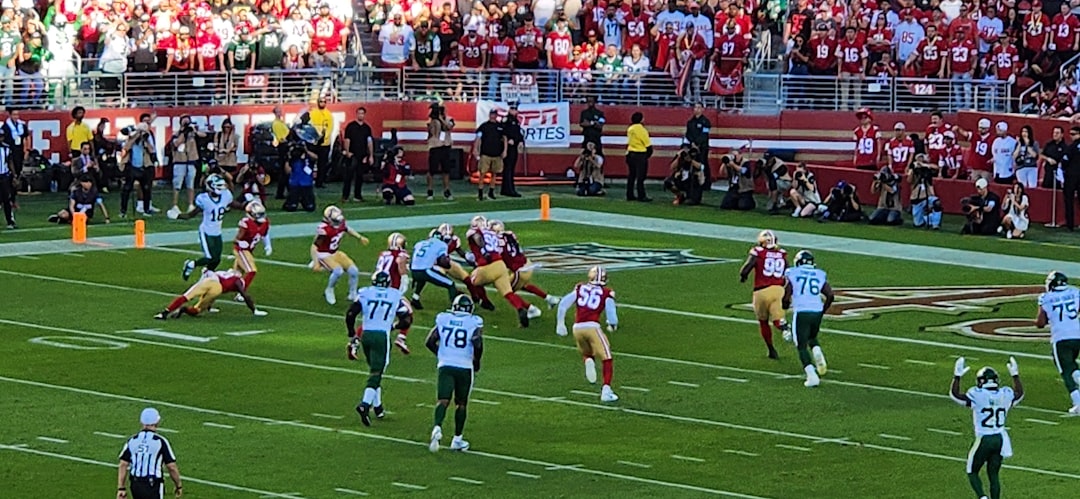
This single-elimination system amplifies pressure. One bad quarter, one turnover, or one defensive breakdown can end a team’s season instantly.
The Role of Momentum and Late-Season Pushes
One of the most fascinating aspects of the playoff picture is how dramatically it can change in the final weeks. Teams that start slowly may surge late, while early contenders falter due to injuries or fatigue.
Key late-season factors include:
- Quarterback health
- Offensive line stability
- Defensive consistency
- Turnover differential
- Performance in high-pressure games
Historically, teams entering the playoffs on winning streaks often outperform expectations. Confidence and rhythm can outweigh regular-season statistics when the games become win-or-go-home.
That said, the postseason also has a long tradition of wild card teams making deep runs. Lower seeds frequently enter with nothing to lose — and everything to prove.
Home-Field Advantage vs. Road Warriors
While earning home-field advantage is crucial, it does not guarantee success. Some teams thrive under hostile conditions, displaying mental toughness and adaptability.
Statistically, home teams win a greater percentage of playoff games. However, factors such as:
- Elite quarterback play
- Strong defensive units
- Weather adaptability
- Coaching experience
can neutralize the crowd factor.
Cold-weather games in cities like Buffalo or Green Bay present unique challenges. Meanwhile, dome teams may rely on speed and precision to offset environmental differences.
Coaching Strategy in the Playoffs
The postseason intensifies coaching decisions. Game management becomes magnified, and every fourth-down call, timeout usage, and clock-management decision carries massive weight.
Successful playoff coaches tend to:
- Adapt quickly to in-game adjustments
- Script effective opening drives
- Manage momentum swings
- Avoid unnecessary risks early
- Trust star players in crucial moments
Preparation is heightened, as teams face familiar opponents with weeks of film available. Playoff rematches within divisions often become chess matches built on subtle strategic changes.
Defense Wins Championships — Myth or Reality?
The phrase “defense wins championships” persists for a reason. While high-powered offenses grab headlines, defensive units often determine playoff longevity.
In cold January games, defensive dominance can:
- Create critical turnovers
- Control field position
- Limit explosive plays
- Shorten games through physicality
That said, modern NFL trends show that balanced teams — those with efficient offenses and opportunistic defenses — tend to make the deepest runs.

The Drama of Playoff Scenarios
In the final two weeks of the regular season, playoff probability charts dominate sports broadcasts. Fans obsess over scenarios like:
- “If Team A wins and Team B loses…”
- “If there’s a three-way tie at 10-7…”
- “If strength of schedule changes by one opponent…”
Rarely does every berth lock up early. Instead, the NFL thrives on Week 17 and Week 18 drama, where last-second field goals or overtime victories can reshape the bracket entirely.
This unpredictability enhances fan engagement and ensures that even struggling teams may influence the postseason path by defeating contenders late in the year.
Why the NFL Playoff Picture Captivates Fans
The playoff picture represents more than standings — it symbolizes hope, redemption, and opportunity. A team that barely squeezes in can still hoist the Lombardi Trophy weeks later.
Several factors make the NFL playoffs uniquely compelling:
- Single-elimination format increases urgency
- Short seasons make every game meaningful
- Roster parity promotes competitive balance
- Quarterback-driven narratives elevate stakes
Unlike other sports with long postseason series, the NFL’s “one-and-done” structure thrives on volatility. That volatility fuels iconic moments — game-winning drives, defensive goal-line stands, overtime thrillers, and improbable comebacks.
The Final Step: Reaching the Super Bowl
By the time two teams emerge from their respective conferences, they have survived three elimination games (or two, for the top seed). Physical attrition is significant, strategic preparation is exhaustive, and emotional intensity peaks.
The Super Bowl represents:
- The culmination of months of preparation
- A global television spectacle
- A legacy-defining platform for players and coaches
Yet the foundation of every championship run lies in navigating the playoff picture successfully. Securing favorable seeding, managing health, capitalizing on late-season momentum, and executing under pressure all contribute to the final outcome.
Conclusion
The NFL playoff picture is a dynamic, ever-shifting puzzle rooted in standings, strategy, and psychology. It balances statistical precision with emotional intensity, rewarding teams that combine consistency with resilience. From the scramble for wild card spots to the prestige of the number one seed, every win in the regular season echoes into January.
Ultimately, the road to the Super Bowl is not just about talent — it is about timing, toughness, and the ability to thrive when the margin for error disappears. And that is precisely why the NFL postseason remains one of the most electrifying spectacles in sports.